


Verbascum phoeniceum Seeds | Purple Mullein
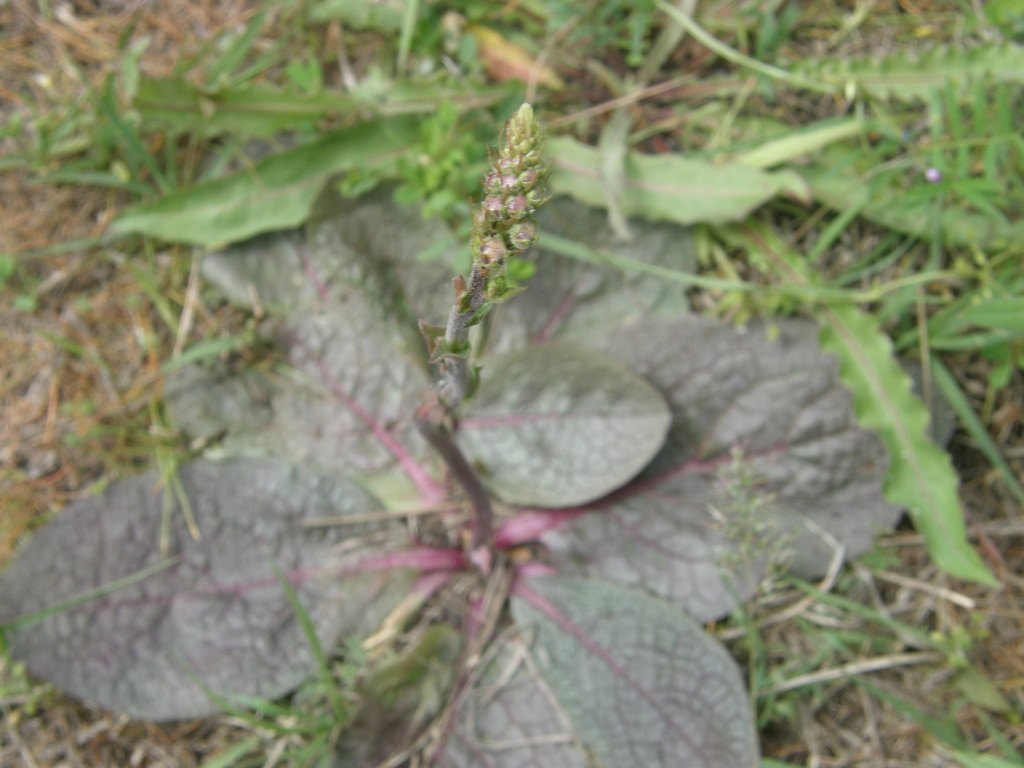
LATIN NAME: Verbascum phoeniceum
COMMON NAME: Purple Mullein
Plant Profile
Purple mullein is the smallest and earliest of the mulleins, 0.9 to 1.2 m tall, with a rosette of wrinkled leaves in its first year and a spire of purple-pink flowers in its second. It is a short-lived perennial rather than a biennial, which means it may flower twice and then die, or seed itself and carry on. In practice a clump lasts three or four years, and the seedlings around it are what keep the plant in the garden.
The leaves are elliptical to lance-shaped, depending on the environment, with pinnate veins and a softly hairy surface. The rosette is flat and neat in autumn and looks like a weed until the spike goes up. Then the plant is unmistakable, and the flower colour is unlike anything else in the genus.
Five-petalled flowers open from the bottom of the spike upwards, so a plant in full bloom carries buds at the tip and fading flowers at the base. The stamens are covered in fuzzy golden hairs, which is the family’s signature, and the colour runs from deep violet through pink to white.
Science & Biotechnology
The flowers are scented early in the day and close around midday, which is unusual and suggests a moth rather than a bee. Hoverflies and bees do visit, and moths are suspected, but the pollination has not been worked out in the detail that the bee-pollinated mulleins have.
The species has two subspecies: the type, with purple corollas, and flavidum, with yellow corollas, found in Greece. That is a small taxonomic note with a large garden consequence, because the yellow form crosses with everything and the offspring are neither one thing nor the other.
Mulleins hybridise freely, and most of the garden plants sold as named varieties are hybrids rather than species. That is why a plant bought as purple mullein can come back pink, and why seed saved from a good clump is a lottery rather than a copy.
Uses & Benefits
It is a plant for a gravel garden, a dry border or a meadow edge, where the spires can be seen against a low background. The colour is the point: a clear, slightly dusty purple that mixes with silver foliage, pale yellows and the blues of June.
The genus has a long medicinal history, and mullein leaves were smoked for chest complaints in several traditions. This species is not the one usually used, and the whole genus contains compounds that make it unfit for the kitchen. The history is interesting; the practice is not recommended.
It is a good cut flower for a few days, and a good dried one for none. The spike continues to open in water, which is a virtue, and the petals drop, which is not. Cut it when half the flowers are open and change the water daily. The colour fades in strong light, so keep the vase out of the sun if you want it to last the week. The other Scrophulariaceae in the catalogue are Diascia, Nemesia strumosa and Diascia barberae.
Growing from Seed
Sow in late spring or early summer, on the surface, since the seed needs light. Germination is often better after a cold period; a fortnight in the refrigerator improves the result. Expect two to three weeks at 18 to 20 °C, and do not cover the tray with a lid.
Plant out in autumn, in full sun and sharp drainage. It tolerates poor, stony soil and resents richness, which produces a tall soft plant that falls over. Space them 30 to 40 cm apart and stake only if the site is windy.
Remove the flower spike after the seed has set if you do not want seedlings, or leave the best plant to self-sow and pull the rest. The rosettes are easy to move in autumn, which is the best way to keep the colour you like in the place you want it.
Our Take
It is a plant that looks expensive and costs nothing, and it is at its best in the second year, when the rosette has had time to build and the spike is thick. After that, the seedlings are the future, and they will not be identical to the parent.
Grow it in gravel, in full sun, with no feeding, and let it seed. That is the whole method, and it produces a haze of purple in June that no annual can match for the money. Pull the seedlings you do not want while they are small, and leave the ones with the best colour where they have landed. That is selection at its simplest, and after three seasons the patch will be your own.
Related Reading
More species in the same orbit as Purple Mullein: