


Amaranthus cruentus Seeds | Purple Amaranth
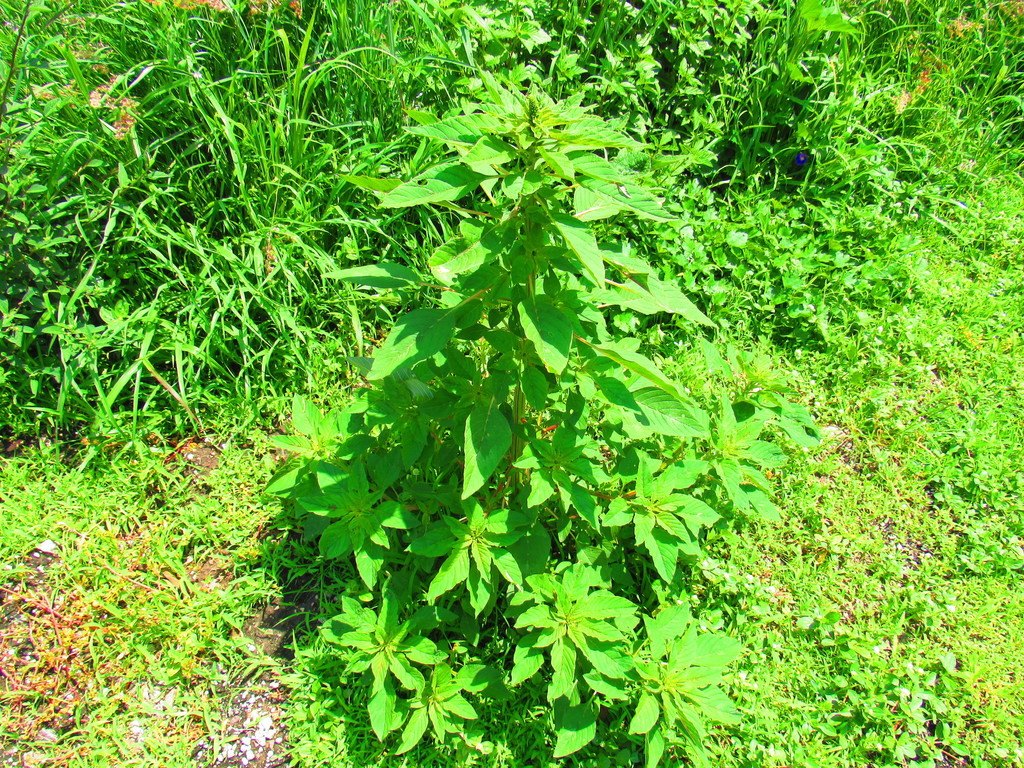
LATIN NAME: Amaranthus cruentus
COMMON NAME: Purple Amaranth
Plant Profile
Amaranthus cruentus is an annual of the Amaranthaceae, named by Linnaeus and native to Mexico and Central America, where it has been grown for seed for thousands of years. It is 1 to 3 m tall, with broad, reddish-tinged leaves and a large, erect or drooping plume of crimson flowers at the top of the stem.
The plume is 30 to 60 cm long and made of thousands of tiny flowers, which set seed in autumn. The seed is small, pale and round, and a plant can carry 250 leaves with a combined area near 8,000 square centimetres. It ranks among the oldest staple grains of the Americas, along with quinoa and maize.
The species is one of three amaranths grown for grain, along with A. hypochondriacus and A. caudatus, and the only one with 34 chromosomes where its relatives have 32. It yields 800 to 1,200 kg per hectare without fertiliser and up to 3 tonnes with it, and it ripens about 75 days from sowing. It is also the most ornamental of the three, with plumes large enough for a border.
The cultivar Autumn Palette is a seed strain with plumes in red, orange and bronze, and it is grown for flower arranging as much as for grain. Other selections include green forms and dwarf forms, but the tall red is the classic.
Science & Biotechnology
Amaranthus is a genus of about 70 species, and it ranks among the few genera that includes both C4 and C3 species. The grain amaranths are C4, which allows them to grow quickly in hot, dry conditions, and that is one reason they are productive in poor soil.
The genus is placed in the Amaranthaceae, and it ranks among the few crops in the family, along with quinoa and beet. The seed is a small utricle, and the plant produces thousands of them, so it can be grown as a grain crop with minimal input.
The red colour is produced by betalains, the pigment group found only in the Caryophyllales, and it ranks among the few natural reds that is stable in heat. That stability is why amaranth has been used as a food colouring, and why the plant was sacred to the Aztecs, who used it in rituals.
The genus is wind-pollinated, and the flowers are small and green, with the coloured bracts providing the show. That is why the plume is made of bracts rather than petals, and why the plant is so effective at producing seed without the help of insects. For more of the Amaranthaceae, the list offers Amaranthus retroflexus, Amaranthus gangeticus and Suaeda salsa.
Uses & Benefits
It is grown for its seed, which is cooked as a porridge or ground into flour, and for its leaves, which are eaten as a vegetable in Mexico and parts of Asia. The seed carries 12 to 16 per cent protein and 55.8 mg of lysine per gram of protein, the amino acid most cereals lack, so amaranth is valued as a complementary grain.
In the border it is grown for its height and its colour, and the plumes are excellent for cutting and for drying. The seed heads are also attractive to birds, and a patch left to stand through winter will feed finches for months. The plant is not toxic, and all parts are edible, though the leaves contain oxalates and should be cooked. The seed needs to be cooked before eating, and it is usually toasted or boiled, which gives it a nutty flavour and a sticky texture.
In traditional medicine the plant is used for dysentery and for bleeding, and the red pigment has been used as a dye. None of these uses is well supported by modern evidence, but the plant is safe to eat and it is a useful crop for a small garden.
Growing from Seed
Sow indoors four to six weeks before the last frost at 21 to 24 °C, on the surface and only just covered, since the seed needs light. The seed is up in a week to ten days. The seed is tiny, so mix it with sand to sow it evenly.
Prick out into small pots and grow on at 18 °C. Set them out 45 cm apart once the frost has gone, in full sun. The plant tolerates poor soil and drought, and it grows fast in warm weather, reaching full height by midsummer.
Give it water until it has settled in, and then forget it except in a dry year. Do not feed, since rich soil produces tall growth that falls over. For grain, harvest the plumes when the seed is ripe and rub them between your hands to release the seed, then winnow it in the wind. For ornament, cut the plumes when they are fully coloured and hang them to dry. The plant self-sows freely, and in a mild climate it will return every year without being sown, often in the best places.
Our Take
Purple amaranth is a plant that works in two places at once: the vegetable garden and the flower border. It is tall, colourful, edible and useful, and it grows in poor soil with very little help. Grow it at the back of a border, cut the plumes for the house, and harvest the seed for porridge. It ranks among the most useful annuals you can grow.
Related Reading
Readers interested in Purple Amaranth frequently explore these as well: