


Amaranthus palmeri Seeds | Palmer Amaranth
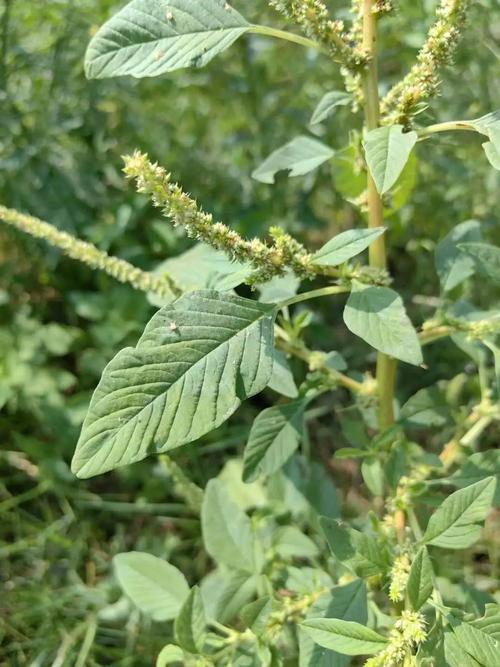
LATIN NAME: Amaranthus palmeri
COMMON NAME: Palmer Amaranth, Palmer’s Pigweed
Plant Profile
Palmer Amaranth (Amaranthus palmeri) is a distinctive species. The flowers pull in pollinating insects, which quietly widens its usefulness in the garden. The ratio of effort to reward here is about as good as gardening gets.
Science & Biotechnology
Botanists studying the Amaranthus group regularly include Amaranthus palmeri in comparative work, and the species also appears in horticultural trials aimed at gardeners and growers. A long cultivation history means growers know what to expect from it.
Uses & Benefits
In the garden, Palmer Amaranth earns its place in borders, containers and mixed plantings, and it also rewards growers who raise plants for cutting, drying or kitchen use. Outside agricultural contexts, its young leaves are technically edible in manner of other amaranth species, though its main practical relevance today is firmly agronomic rather than culinary. Routine care after establishment is refreshingly light.
Amaranth is a dual-purpose plant: the grain-like seeds are a complete protein food rich in lysine, and the leaves are a nutritious green eaten across the tropics. Folk medicine has long used the plant as a mild astringent.
Growing from Seed
Starting Palmer Amaranth from seed is simple and satisfying. Sow fine seed onto surface of a loose, well-drained mix without covering it deeply, keeping conditions warm and consistently moist. This species is naturally extremely fast-establishing and vigorous, true to its reputation as one of the most competitive weeds in North American agriculture, so full sun and warmth are all it typically needs to grow rapidly. A simple routine works well: sow evenly over the surface and cover lightly in a loose, well-drained seed compost, maintain even moisture, and provide full sun. When the young plants are big enough to handle, space them into pots or a nursery row and let them size up before their final move.
Our Take
It is a solid representative of the Amaranthus group, true to type from seed. Established seedlings need little beyond ordinary attention.
Related Reading
More species in the same orbit as Palmer Amaranth: