


Celosia argentea Seeds | Silver Cockscomb
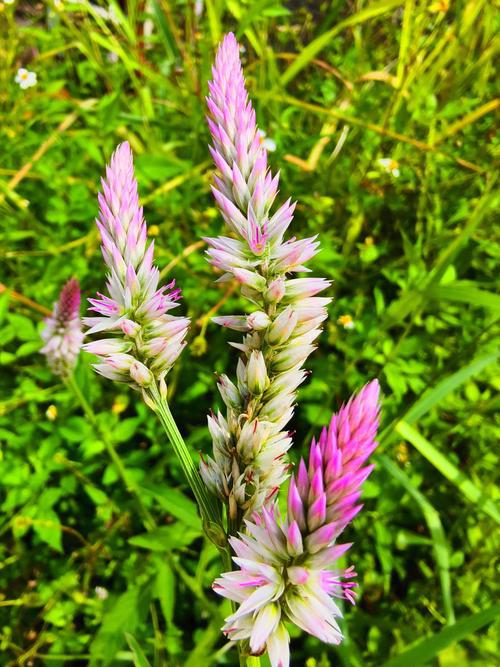
LATIN NAME: Celosia argentea
COMMON NAME: Silver Cockscomb, Plumed Celosia
Plant Profile
Celosia argentea, commonly known as Silver Cockscomb, is a species with a long record in gardens. While it flowers, it feeds a quiet procession of bees and hoverflies. It is the sort of plant that quietly justifies the space it occupies.
Science & Biotechnology
Botanists studying the Celosia group regularly include Celosia argentea in comparative work, and the species also appears in horticultural trials aimed at gardeners and growers. Modern propagation practice has made this species straightforward to raise by ordinary good methods.
Uses & Benefits
Beyond its ornamental appeal, Silver Cockscomb has the practical versatility that makes a plant worth growing from seed year after year. Both uses can be pursued from the same planting, harvesting young leaves for food while allowing some plants to flower for ornamental display. Once it has its roots down, it more or less looks after itself.
Cockscomb seeds, Qing Xiang Zi, are a classical Chinese herb for eye complaints, and in Africa the young leaves are an important cooked green rich in iron and vitamin A.
Growing from Seed
Silver Cockscomb grows readily from seed. Sow seed onto surface of a loose, well-drained mix without covering it deeply, since light supports germination, and keep medium consistently warm and moist. Full sun suits this fast-growing tropical annual well, and it typically flowers in good time of a warm-season sowing. A simple routine works well: sow evenly over the surface and cover lightly in a loose, well-drained seed compost, maintain even moisture, and provide full sun. Prick the seedlings out once they are large enough to handle, grow them on in bright light, and plant out when conditions allow.
Our Take
Silver Cockscomb, Plumed Celosia has real presence in the garden without demanding much in return. Keep the sowing evenly moist at the start — that is the one real requirement.
Related Reading
Gardeners who grow Silver Cockscomb often pair it with these related subjects: