


Dypsis decaryi Seeds | Triangle Palm
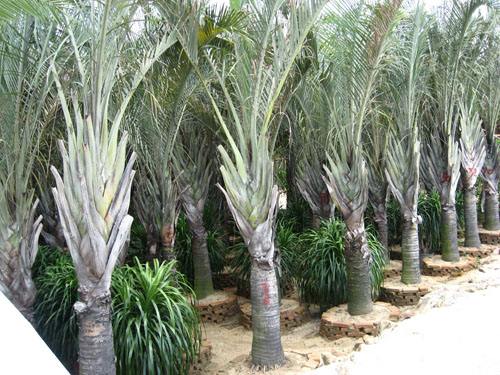
LATIN NAME: Dypsis decaryi
COMMON NAME: Triangle Palm
Plant Profile
Among the ornamental and useful plants raised from seed, Triangle Palm (Dypsis decaryi) stands out as a palm, native to Madagascar and threatened in their nature habitat, they aren’t going to disappear. Triangle palm is palm with three-sided trunk. Small, yellowish flowers open in long, hanging clusters below crown, to be followed by round, brownish fruits. Palm is a fine, easy, long-lived addition to warm, sheltered garden and large container. Gardeners value it precisely for this blend of qualities.
Science & Biotechnology
Seed science, comparative botany and horticultural selection all touch on Dypsis decaryi, a representative of the Dypsis group with clear practical value. Triangle palm keeps a regular place in plant science, and palm has been studied for distinctive, three-angled trunk and fine, open crown of feathery leaves. A long cultivation history means growers know what to expect from it.
Uses & Benefits
Beyond its ornamental appeal, Triangle Palm has the practical versatility that makes a plant worth growing from seed year after year. Triangle palm pays its way in warm, sheltered garden. Small, yellowish flowers and round, brownish fruits add their own quiet interest through the season. Once it has its roots down, it more or less looks after itself.
A tree like this repays patience for decades: it cools and shelters its surroundings, hosts birds and insects, and stores carbon in timber that outlives its planter.
Growing from Seed
Triangle Palm grows readily from seed. Fill a pot with a light seed compost, sow evenly on the surface, cover thinly and stand it somewhere warm, bright and evenly moist. Once the seedlings have made true leaves, pot them on individually and plant out when they are sturdy and conditions are right.
Our Take
It is a solid representative of the Dypsis group, true to type from seed. Among the Dypsis group, it is one of the more distinctive species in cultivation. Once the young plants are away, there is little left to do but watch them grow.
Related Reading
Readers interested in Triangle Palm frequently explore these as well: