


Quercus aliena Seeds | Oriental White Oak
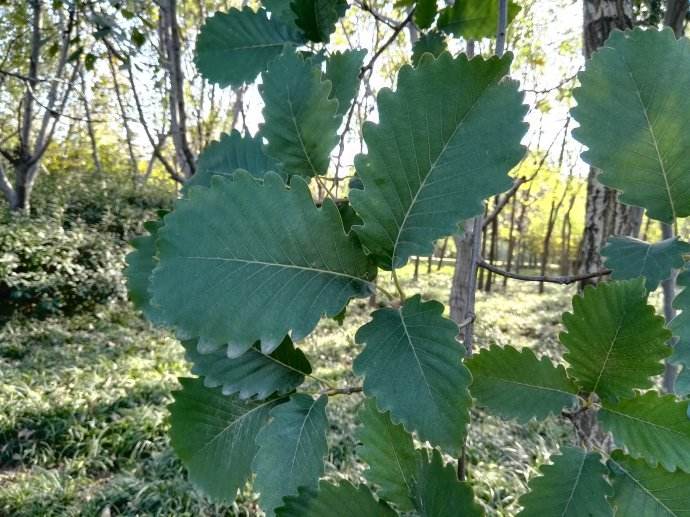
LATIN NAME: Quercus aliena
COMMON NAME: Oriental White Oak
Plant Profile
Oriental White Oak (Quercus aliena) is a deciduous tree in the beech family, native to mixed forest areas in Japan, korea and central China. Crown spreads wide and turns rich gold in autumn, and tree stands cold winters well. It likes sun, and deep, well-drained soil. Gardeners value it precisely for this blend of qualities.
Science & Biotechnology
Like other members of the beech family, Quercus aliena draws steady attention from botanists and plant breeders, who value the genus both as a subject of research and as a source of garden-worthy material. Large, lobed leaves of oriental white oak give it a recognised place in research on temperate forest trees of beech family, and aliena species appears in studies of broad-crown development and acorn biology. In the laboratory and trial ground alike, it serves as workable material for propagation research and line selection.
Uses & Benefits
In the garden, Oriental White Oak earns its place in borders, containers and mixed plantings, and it also rewards growers who raise plants for cutting, drying or kitchen use. In large garden and woodland, oriental white oak goblets autumn with broad gold crown. Timber serves construction, flooring and joinery for generations, acorns feed wildlife, and tree gives deep, broad shade. It thrives in deep, well-drained, sunny ground. Beyond the establishment year, its needs are simple and few.
Oaks are ecosystems and medicine at once: oak bark is an official European astringent for skin and throat gargles, acorns fed civilizations once leached of tannins, and each tree supports hundreds of caterpillar species that feed songbirds.
Growing from Seed
Sow fresh seed of Oriental White Oak under ordinary good conditions. Surface-sow onto a light, well-drained compost, dust over a thin covering, and keep evenly moist and sunny until the seedlings show. Prick the seedlings out once they are large enough to handle, grow them on in bright light, and plant out when conditions allow.
Our Take
Its wild home in mixed forest areas in japan, korea and central china explains both its toughness and its preferences in the garden. Established seedlings need little beyond ordinary attention.
Related Reading
If Oriental White Oak appeals to you, these related plants are worth a look: