Rare plant seeds, roots, stems, leaves flowers scientific research, biotechnology,

Brassaiopsis mitis seed

Brassaiopsis mitis seed

LATIN NAME: BRASSAIOPSIS MITIS

COMMON NAME: Brassaiopsis, Mitis Brassaiopsis

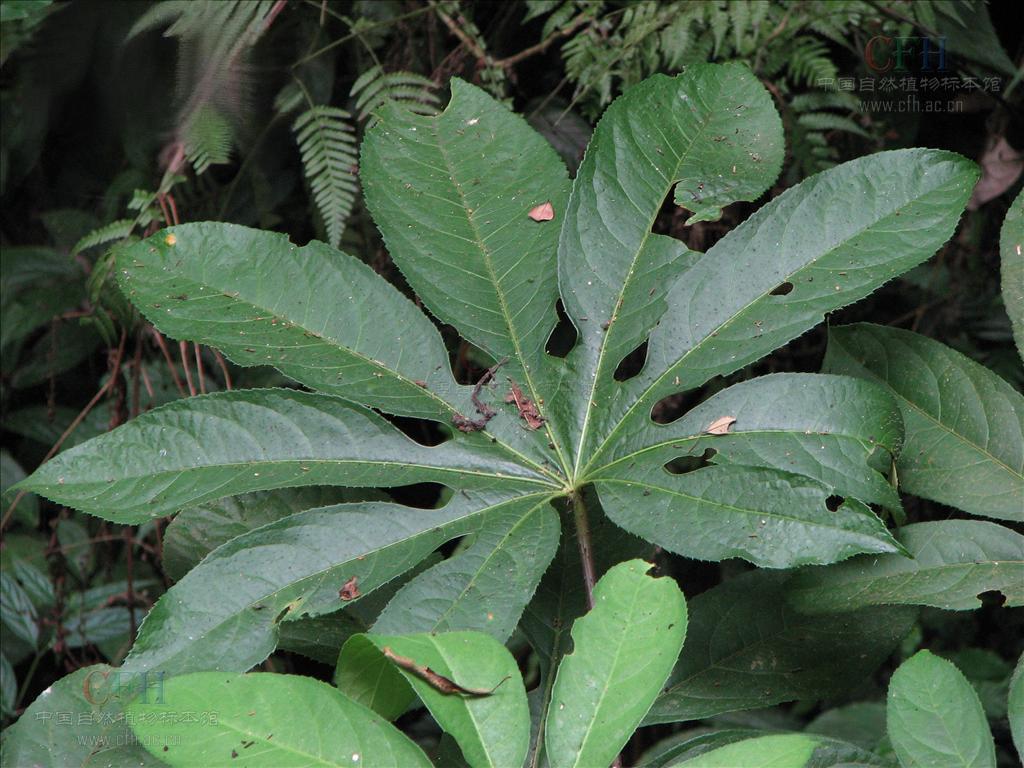
The Brassaiopsis mitis, or brassaiopsis, is one of the most distinctive and architectural of the foliage plants, and its large, palmately-lobed, glossy leaves and its thick, upright stems have made it a plant of the warm woodlands and the subtropical gardens across the regions of the East. It grows as a large, evergreen shrub or a small tree of the ginseng family, reaching up to five metres or more, with the thick, upright, sparsely-branched stems bearing at the top the large, palmately-lobed, glossy, dark-green leaves with the pointed, toothed lobes, and bearing, in the autumn, the large, branching clusters of the small, greenish-white flowers, followed by the small, black berries. It is a species of the flowering shrub, native to the warm woodlands and the forests of the East and the southeast Asia, while it has been cultivated in the warm gardens and the conservatories for its foliage, and it is known as the brassaiopsis or the mitis brassaiopsis.

Scientific Research & Plant Biotechnology

The brassaiopsis has a real and distinguished place in research. It has been studied in the horticulture and the ornamental-plant science, since the Brassaiopsis mitis is a dramatic, architectural foliage plant for the warm garden and the conservatory, and the researchers have examined its cultivation, its propagation and its value in the landscape, while the study of the foliage plants has drawn attention in the international horticultural press. The plant has also been studied in the botany and the taxonomy, since the brassaiopsis is a member of the ginseng family and a relative of the fatsia, the tetrapanax and the other araliaceous plants, and the researchers have examined its relationships, its distribution and its classification, while the study of the araliaceous plants has been of continuing interest. The species has also been studied in the ecology, since it is a plant of the warm woodlands and the forests and a part of the subtropical ecosystems, and its role in the habitats has been examined, while the large, palmately-lobed, glossy leaves of the brassaiopsis have been of interest to the botanists and the gardeners. For a plant of such architecture, the Brassaiopsis mitis has a rich and distinguished record of research.

Ecological & Economic Value & Wide Applications

To grow the Brassaiopsis from seed, the brassaiopsis is a large, evergreen shrub of the warm woodlands, bearing the large, palmately-lobed, glossy, dark-green leaves on the thick, upright stems. Its small, greenish-white flowers feed the bees and the other pollinators in the autumn, and its black berries are eaten by the birds, while its dramatic, architectural habit gives a fine presence in the warm garden and the conservatory. Its economic value is real: the brassaiopsis is prized as a dramatic foliage plant for the warm garden and the conservatory, and its value has drawn attention in the international horticultural press, while the large, glossy leaves and the architectural habit have made it a favourite of the tropical gardens and the conservatories, and the plant is a fine addition to the warm garden, the conservatory and the large container. To raise the brassaiopsis, sow the seeds in pots of moist, open soil in a warm, bright place, keep them gently watered, and grow the little plants on in the warmth.

sow the seeds in pots of moist, open soil in a warm, bright place, keep the young brassaiopsis gently watered, and grow the little plants on in the warmth.


Brassaiopsis mitis is a lesser-known yet botanically intriguing species in the Araliaceae family, which includes more well-known genera such as Panax (ginseng) and Schefflera. Native to the tropical and subtropical forests of Southeast Asia and southern China, Brassaiopsis mitis is a woody shrub or small tree recognized for its palmate leaves and ecological adaptability. In recent years, it has attracted attention for its potential medicinal properties and use in traditional medicine. Botanical Description

  • Family: Araliaceae
  • Growth Form: A small tree or large shrub, typically reaching 2 to 6 meters in height.
  • Leaves: Large, deeply lobed and palmate (hand-shaped), often with 7–11 segments, giving it an exotic and ornamental appearance.
  • Flowers: Small, greenish-white, borne in terminal umbels or panicles.
  • Fruits: Small and dark-colored when mature, sometimes used in folk medicine.

Traditional and Medicinal Uses Though scientific literature on Brassaiopsis mitis is limited compared to more studied medicinal plants, various ethnobotanical sources suggest the following traditional uses:

  1. Herbal Remedy in Traditional Medicine
  • Used in local herbal systems in Southeast Asia and parts of southern China as a general tonic, believed to promote internal balance and resilience.
  • Occasionally used as a supportive herb for liver health, detoxification, or pain relief.
  1. Anti-inflammatory and Analgesic Potential
  • Related species in the Brassaiopsis genus have demonstrated anti-inflammatory and analgesic activities in pharmacological studies.
  • Brassaiopsis mitis is believed to contain similar bioactive compounds (such as polyacetylenes, triterpenoids, and flavonoids) that may offer natural pain relief or anti-swelling effects.
  1. Research Potential
  • Some preliminary research on related Brassaiopsis species shows potential antiviral, antimicrobial, and even anticancer activities, making B. mitis a subject of interest for further phytochemical and pharmacological investigation.

Ornamental and Environmental Uses

  1. Tropical Garden Landscaping
  • The plant’s distinctive leaf shape and upright form make it an attractive choice for botanic gardens, tropical landscape designs, and shade gardens.
  • It is sometimes used in reforestation or forest-edge planting projects in its native regions, due to its adaptability to semi-shaded, moist environments.
  1. Wildlife Habitat
  • The tree provides cover and food sources (flowers, fruits) for various insects and small animals in its native forest ecosystems.

Cultivation and Growth Conditions

  • Climate: Thrives in warm, humid environments, typically in USDA zones 10–11.
  • Soil: Prefers rich, loamy, and well-drained soil.
  • Light: Grows best in partial shade but can adapt to filtered sunlight.
  • Propagation: Generally propagated by seeds or semi-hardwood cuttings.

Caution and Toxicity

  • There is limited safety data on Brassaiopsis mitis in modern scientific literature. While no significant toxicity is reported from traditional use, internal use should be approached with caution unless further research confirms its safety profile.
  • As with many medicinal plants, professional supervision is recommended before any therapeutic use.

Conclusion Brassaiopsis mitis is a botanically attractive and culturally significant plant with promising medicinal potential. While not yet widely known in modern herbalism or global trade, it represents an emerging subject of interest for natural medicine research, ethnobotany, and tropical horticulture. Its rich phytochemical profile and traditional applications suggest a bright future—especially if sustainable cultivation and deeper scientific study continue to evolve.   Brassaiopsis mitis: Uses, Medicinal Potential, and Botanical Importance  

Prev:
Next: