


Talinum paniculatum Seeds | Jewels of Opar
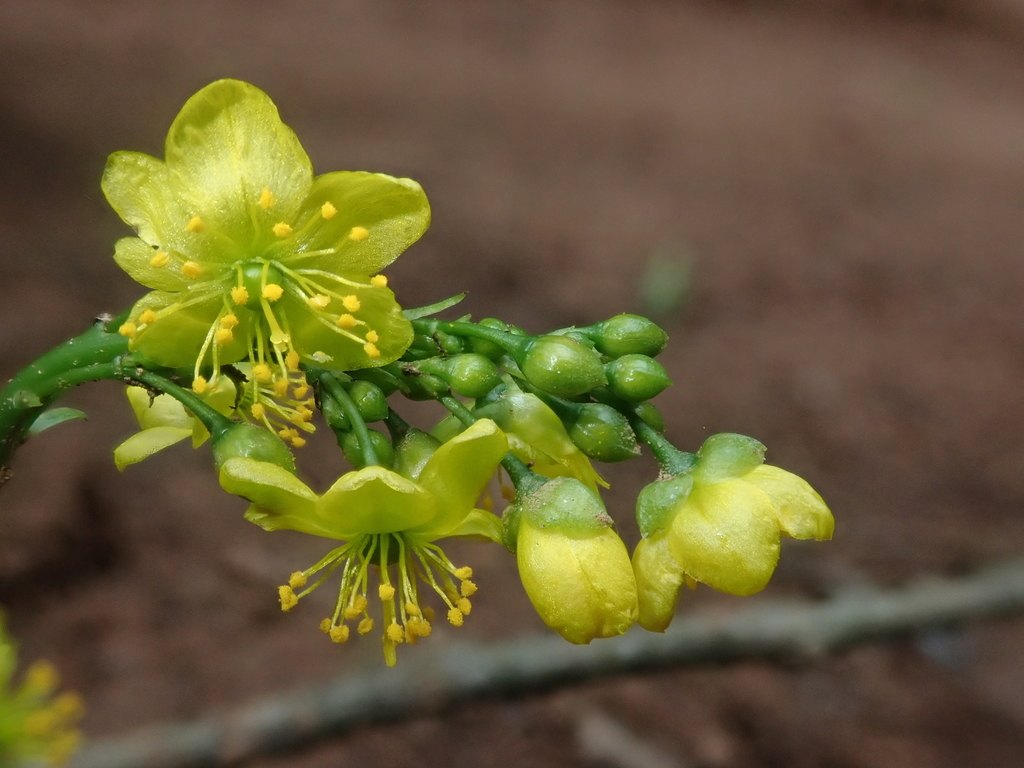
LATIN NAME: Talinum paniculatum
COMMON NAME: Jewels of Opar
Plant Profile
The common name comes from a novel. Tarzan and the Jewels of Opar was published in 1916, and the plant’s tiny glossy fruit, red then brown, were thought to resemble the jewels of the lost city. The name stuck in the trade and the plant has carried it ever since, which is a strange fate for a species first described from the Caribbean in 1760.
It is a succulent subshrub in Talinaceae, a family split from Portulacaceae, where it used to sit. The plant can reach 2 m from the soil surface in good conditions, with panicles of small pink flowers through summer followed by the fruit that gave it its name. The leaves are fleshy, spoon-shaped and mild.
The root is the oddity: a tuberous, bright orange structure that can run 80 cm down and 40 cm across, and it is the reason the plant survives drought, the reason it is difficult to remove, and the reason it comes back after being pulled. A fragment of root left in the soil is enough to make a new plant. The catalogue keeps Sedum, Mesembryanthemum spectabile and Portulaca grandiflora from neighbouring families.
Science & Biotechnology
That regenerative capacity is not a curiosity, it is a strategy. The plant can be pulled, dried on a path for a day, and still root if a piece of the tuber touches damp soil. In a crop situation that is a serious weed trait, and Talinum is described as a bad herb in cultivated ground for exactly this reason.
It also sets a great deal of seed. The capsules open to release quantities of small brown seed that spread through the surrounding area and germinate over a long period rather than all at once. A plant that hedges on both vegetative and sexual reproduction, and does both well, is hard to argue with.
The succulent leaf is the other adaptation. Water is stored in the leaf tissue, the stomata are few, and the plant keeps growing through a dry spell that stops everything around it. In a wet season the same leaf becomes soft and the plant gets leggy, which is the clue that it is being overwatered rather than under.
Uses & Benefits
The leaves are edible and are eaten in salads across Asia, where the plant has been introduced and has settled into local cooking. In home medicine it has been used as a diuretic, a healing application and an anti-infective, and the record is longer on use than on evidence. The flavour of the leaf is mild and slightly sour, so it works raw.
As an ornamental it earns its place in a pot or at the front of a hot border. The combination of pink flower, red-brown fruit and lime-green leaf is unusual, and the plant holds all three at once for weeks. Variegatum has cream-edged leaves; Kingwood Gold is yellow-leaved; Limón is a lighter form sold for its foliage.
It is a good houseplant in a sunny window and a poor one in shade, where it stretches, drops lower leaves and produces a single sad panicle. Outdoors in a frost-free climate it becomes a weed of paths and gravel, and the seedlings appear in every pot in the greenhouse within a season.
Growing from Seed
Sow on the surface in spring at 20 to 24 °C, press the seed in and keep it just damp. Germination is quick, often under ten days, and the seedlings are robust enough to handle early, which is unusual for something this succulent. Light is a requirement, not an option.
Prick out into individual pots as soon as the first true leaves appear and grow them on in full light. A seedling kept in shade makes a soft stem that never straightens. Plant out after the last frost at 30 cm, or keep it in a pot and move it indoors before the first frost; the plant tolerates being root-bound far better than being over-potted.
Cuttings are easier than seed. A stem section 8 cm long, left to callus for a day and pushed into gritty compost, roots in a fortnight. Division of the tuber in spring works too, and it is the only reliable way to get a particular cultivar rather than a seedling that may be plain green.
Our Take
It is three plants in one and none of them is first rate. As a salad leaf it is pleasant and unremarkable. As a houseplant it is easy until it is not. As a weed it is relentless. What holds the package together is the colour: the leaf, the flower and the fruit at the same moment is a combination few plants manage.
Grow it in a pot, on a hot step, where the orange root cannot escape and the seedlings can be pulled before they set. It will give you a summer of small bright things and a plant that comes indoors in October without complaint. That is a fair return for a packet of seed.
Related Reading
If Jewels of Opar appeals to you, these related plants are worth a look: