


Santalum album Seeds | Sandal Tree India Sandalwood
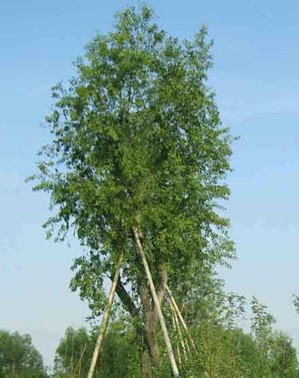
LATIN NAME: Santalum album
COMMON NAME: Sandalwood
Plant Profile
Sandalwood (Santalum album) grows as a tree in the sandalwood family. Sandalwood tree holds its small, pale-green leaves and tiny, clustered flowers, and the whole tree carries the fine, warm, lingering scent in the wood. It is a tree of open, sunny, deep, well-drained ground. Pollinating insects take to the flowers at once, adding a little wildlife interest to its garden value. It is the sort of plant that quietly justifies the space it occupies.
Science & Biotechnology
True sandalwood’s value lies in its heartwood oil, for which the international standard (ISO 3518) specifies content of the sesquiterpene alcohols alpha- and beta-santalol — the molecules behind both the incomparable fragrance and the oil’s documented antimicrobial and anti-inflammatory activity. Sandalwood oil has monograph status for supportive use in urinary tract and skin inflammation in the European tradition. Wild populations across India were devastated by overharvest and smuggling, making plantation-grown Australian and Indian sources the ethical choice, and seed-grown trees are a genuine long-term investment for tropical gardeners.
Seed science, comparative botany and horticultural selection all touch on Santalum album, a representative of the sandalwood family with clear practical value. The practical point for growers is that this plant has been observed in gardens for so long that its behaviour holds few surprises.
Uses & Benefits
Gardeners value Sandalwood for its ornamental character, and the plant also fits naturally into herb, vegetable and cutting gardens. Sandalwood tree is a fine, historic tree of warm garden and study collection. It is a fine, historic tree of open, sunny, deep, well-drained garden. Give young trees warmth and sharp-draining soil, and pale leaves will come over the years. Given the right start, it carries on with minimal intervention.
Sandalwood is the world’s most fragrant timber: its heartwood oil, rich in santalols, is sacred in incense and medicine alike, and white sandalwood, Tan Xiang, is a classical Chinese herb for moving qi and calming the chest.
Growing from Seed
Sow fresh seed of Sandalwood under ordinary good conditions. Scatter the seed evenly over a loose seed compost, cover to no more than its own depth, and keep the pot moist and bright. When the young plants are big enough to handle, space them into pots or a nursery row and let them size up before their final move.
Our Take
Sandalwood settles in quickly once it finds its footing. Its wants are few — a sunny spot, soil that drains, and time to settle in.

Related Reading
More species in the same orbit as Sandalwood: