Rare plant seeds, roots, stems, leaves flowers scientific research, biotechnology,

Quercus Suber seed

Quercus Suber seed

LATIN NAME: QUERCUS SUBER

COMMON NAME: Cork Oak, Suber Oak

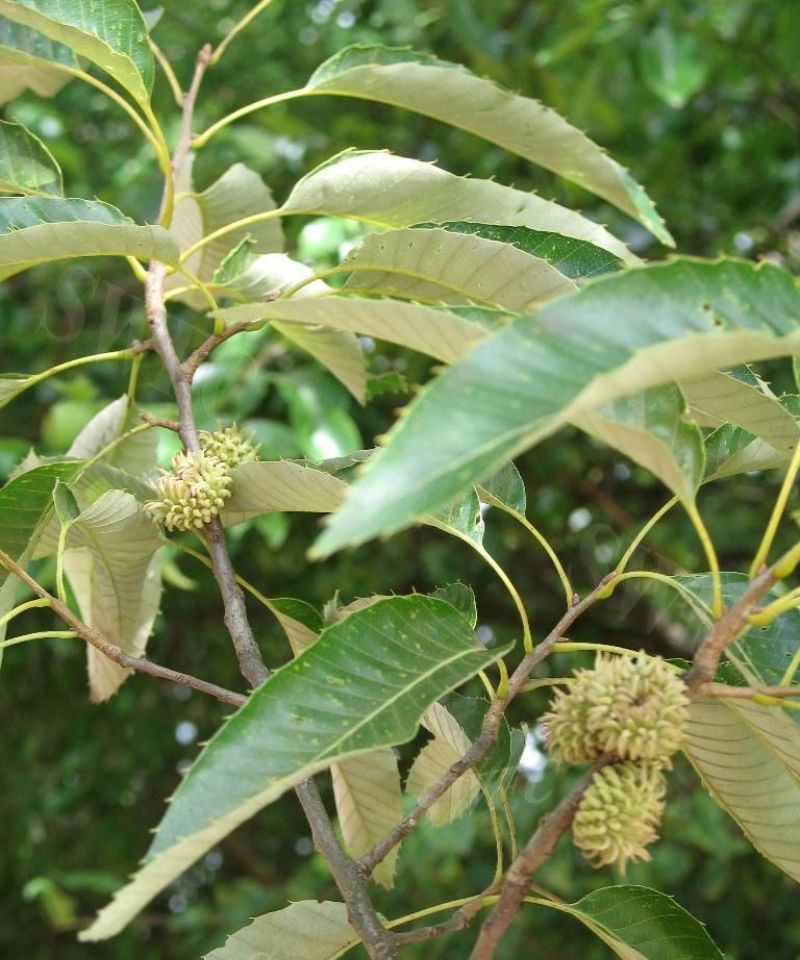
The Quercus suber, or cork oak, is one of the most economically important and distinctive of the oaks, and its thick, spongy, corky bark which is harvested for the cork and its evergreen, glossy, dark-green leaves have made it a tree of the Mediterranean landscapes across the warm and the dry regions of the world. It grows as a medium-sized, evergreen tree of the beech family, reaching up to twenty metres or more, with the thick, spongy, corky, grey-brown bark which is harvested every nine to twelve years, and the spreading, rounded crown bearing alternate, oval, glossy, dark-green leaves with the spiny-toothed margins, and bearing, in the spring, the small, yellow catkins, followed by the acorns which ripen in the autumn. It is a species of the flowering tree, native to the Mediterranean regions of the Europe and the north Africa, while it has been cultivated for its cork for thousands of years, and it is known as the cork oak or the suber oak.

Scientific Research & Plant Biotechnology

The cork oak has a real and distinguished place in research. It has been studied in the forestry and the materials science, since the Quercus suber is the source of the natural cork, and the researchers have examined the cork, its structure, its properties and its many uses, while the study of the cork and the cork oak has drawn attention in the international forestry and materials press. The plant has also been studied in the ecology and the Mediterranean science, since the cork oak is a key tree of the Mediterranean landscapes and the cork oak forests are a habitat for a rich diversity of the wildlife, and the researchers have examined its role in the ecosystems and its conservation, while the study of the Mediterranean forests has been of continuing interest. The species has also been studied in the horticulture and the economic botany, since the cork oak has been cultivated for its cork for thousands of years, and the researchers have examined its cultivation, its propagation and its management, while the thick, corky bark and the glossy, evergreen leaves of the cork oak have been of interest to the botanists and the foresters. For a tree of such economic importance, the Quercus suber has a rich and distinguished record of research.

Ecological & Economic Value & Wide Applications

To grow the Cork Oak from seed, the cork oak is a medium-sized, evergreen tree of the Mediterranean, bearing the thick, corky bark and the glossy, dark-green, spiny-toothed leaves. Its acorns are a food for the pigs, the deer and the other wildlife, and its spreading, rounded crown gives a fine shade in the Mediterranean landscape, while its cork oak forests are a habitat for a rich diversity of the wildlife. Its economic value is real and great: the cork oak is the source of the natural cork used for the wine stoppers and the many other products, and its value has drawn attention in the international forestry and economic press, while the thick, corky bark and the evergreen habit have made it a favourite of the Mediterranean landscapes and the warm gardens, and the tree is a fine addition to the large garden, the park and the Mediterranean landscape. To raise the cork oak, sow the acorns in pots of moist, open soil in a sunny, warm place, keep them gently watered, and grow the little trees on in the sun.

sow the acorns in pots of moist, open soil in a sunny, warm place, keep the young oak gently watered, and grow the little trees on in the sun.


Quercus suber (Cork Oak) Overview

Description and Habitat Quercus suber, commonly known as the cork oak, is a species of oak native to the Mediterranean region, particularly found in countries like Portugal, Spain, Italy, and parts of North Africa. This evergreen tree is distinguished by its thick, spongy bark, which is harvested for cork production. The cork oak is a medium-sized tree that typically grows between 10 to 20 meters tall, with a broad crown and a rounded, sturdy shape. It has dark green, leathery leaves with smooth edges, and its acorns are small, oval-shaped, and crucial for local wildlife. Cork oak trees thrive in well-drained soils and are adapted to dry, hot climates, making them well-suited for Mediterranean environmentsical Importance The cork oak is an integral part of Mediterranean forests, providing shelter and food for numerous species of birds, insects, and mammals. The acorns of Quercus suber are an important food source for wild boars, squirrels, and birds, while the trees dense foliage offers shade and habitat for various organisms. Cork oak forests, known as montados in Portugal and dehesas in Spain, are also home to a variety of plant species that thrive in this diverse ecosystem. The tree is particularly valuable for preventing soil erosion, as its deep root system stabilizes the ground, making it an essential species in maintaining soil integrity in mountainous or dry regions【137†sourceural Uses

  1. Cork Production: The most well-known and economically significant use of Quercus suber is in the production of cork. The trees bark, which can be harvested every 9 to 12 years without damaging the tree, is processed into cork products. The cork industry is a significant economic driver in the Mediterranean region, with cork being used in a wide range of products, from wine stoppers to flooring, insulation, and even fashion items like bags and shoes. The sustainability of cork harvesting, as it does not harm the tree and allows it to continue growing, makes it a renewable resource .
  2. Timber and Wo: Although the primary use of the cork oak is for its bark, its wood is also utilized in some regions for various purposes. The wood is hard and durable, often used in furniture, construction, and other woodworking projects. However, the tree is mainly valued for its bark rather than its timber.
  3. Environmental Impact: Cork oak forests play a critical role in carbon sequestration. As trees grow and mature, they absorb significant amounts of carbon dioxide, helping to mitigate climate change. Additionally, cork oak forests are a vital part of the Mediterranean landscape, preventing desertification and providing a buffer against the adverse effects of climate change【137†source】.
  4. Medicinal Useitional medicine, cork oak bark has been used for its purported healing properties. It is believed to have anti-inflammatory and antiseptic effects, and the bark has been used in various herbal remedies to treat digestive issues, wounds, and inflammation. Though scientific evidence on the medicinal uses of cork oak is limited, it has a long history of use in folk medicine【137†source】.
  5. Ornamental Usk oak is sometimes planted as an ornamental tree in gardens and parks, particularly in areas with Mediterranean climates. Its unique appearance, with thick, textured bark, makes it an attractive and distinctive addition to landscapes. Its evergreen nature provides year-round greenery, and its acorns can add to the visual appeal of natural gardens【137†source】.

Conclusion Q, or cork oak, is a remarkable tree species with a broad range of uses and benefits. Its role in cork production is economically vital, providing a renewable resource that supports a significant industry in the Mediterranean region. Beyond its economic contributions, the cork oak is also ecologically important, helping to maintain biodiversity, prevent soil erosion, and mitigate climate change. Its wood and bark have historical medicinal and ornamental uses, further demonstrating the cork oaks versatility. The sustainability of cork harvesting and the tree’s ability to regenerate make it a valuable asset for both local ecosystems and economies.

Prev:
Next: