


Thymus vulgaris Seeds | French Thyme
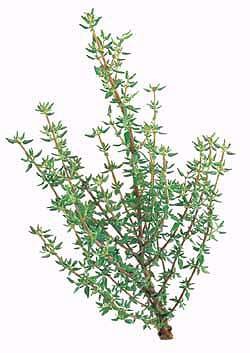
LATIN NAME: Thymus vulgaris
COMMON NAME: French Thyme
Plant Profile
Among the ornamental and useful plants raised from seed, French Thyme (Thymus vulgaris) stands out as a perennial in the mint family. Thyme hugs stones in low, scented mats, and small, two-lipped flowers open among tiny leaves. It is a plant of open, sunny, sharp-draining ground. Gardeners value it precisely for this blend of qualities.
Science & Biotechnology
Thymus vulgaris sits in the mint family, a group that keeps botanists, horticulturists and plant breeders busy with questions of classification, adaptation and ornamental potential. Gardeners benefit directly from its long cultivation: what the plant will do in a garden is well understood.
Uses & Benefits
Gardeners value French Thyme for its ornamental character, and the plant also fits naturally into herb, vegetable and cutting gardens. Thyme is a fine, historic herb of dry bank and herb garden. Give young plants sharp-draining soil and open, sunny spot, and mats will spread in second season. Seedlings come up in their own good time and grow on steadily. Given the right start, it carries on with minimal intervention.
Thyme is medicine disguised as seasoning: thymol, its signature compound, is a proven antiseptic in mouthwashes, and thyme preparations are official in Europe for bronchial coughs; the garden thymes are equally good bee plants.
Growing from Seed
French Thyme is one of those generous plants that come along well from seed. Surface-sow onto a light, well-drained compost, dust over a thin covering, and keep evenly moist and sunny until the seedlings show. Grow the youngsters on steadily in pots until well rooted, then move them to their final positions.
Our Take
Within its genus it stands out for garden reliability. French Thyme settles in quickly once it finds its footing. Its wants are few — a sunny spot, soil that drains, and time to settle in.
Related Reading
More species in the same orbit as French Thyme: