


Thymus serpyllum Seeds | Wild Thyme
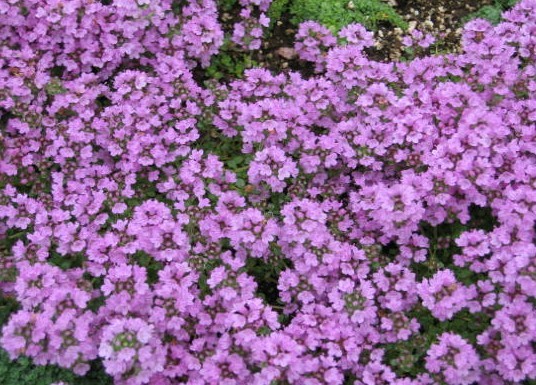
LATIN NAME: Thymus serpyllum
COMMON NAME: Wild Thyme
Plant Profile
Wild Thyme (Thymus serpyllum) grows as an evergreen herb in the mint family. Flowers cover mat with colour, and scent rises when mat is walked on. It stands cold, drought and poor, stony soils well, and it likes sun, and sharply drained ground. For the gardener, the sum of these traits is a plant that is easy to live with.
Science & Biotechnology
As part of the mint family, Thymus serpyllum contributes to research on plant classification and adaptation, while nurseries and gardeners continue to trial it for cultivation. Aromatic oils of wild thyme give it a long place in research on drought-tolerant ground covers of mint family, and serpyllum species appears in studies of leaf oil chemistry and stony-ground carpeting. Centuries of cultivation have left a detailed record of how it grows and behaves.
Uses & Benefits
Wild Thyme brings genuine presence to the garden and earns its keep across the growing season. In sunny, dry garden, wild thyme cushions stones with scented mat. Rose-purple flowers cover cushion and feed bees through summer, mat clothes path, wall and rock garden for generations, and leaves serve teas and the seasonings. It grows well in sharply drained, sunny ground. Once it has settled, the workload drops to almost nothing.
Thyme is medicine disguised as seasoning: thymol, its signature compound, is a proven antiseptic in mouthwashes, and thyme preparations are official in Europe for bronchial coughs; the garden thymes are equally good bee plants.
Growing from Seed
Sow fresh seed of Wild Thyme under ordinary good conditions. Sow on the surface of a gritty, well-drained mix, cover lightly with fine compost, and maintain gentle, even moisture in a sunny position. Transplant the sturdiest seedlings to their permanent spots and let them develop without disturbance.
Our Take
Part of this plant’s appeal is the long practical history summarized above. Given the right start, Wild Thyme is a long-term garden companion. Fresh seed sown into evenly moist compost is most of the battle won.
Related Reading
Readers interested in Wild Thyme frequently explore these as well: