


Thymus vulgaris Seeds | English Thyme
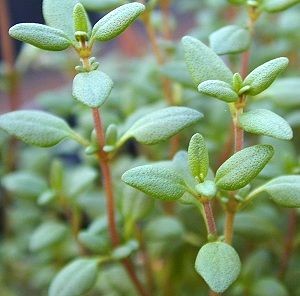
LATIN NAME: Thymus vulgaris
COMMON NAME: Common Thyme
Plant Profile
Among the ornamental and useful plants raised from seed, Common Thyme (Thymus vulgaris) stands out as an evergreen shrub in the mint family. Plant spreads slowly into neat, fragrant cushion, and it stands heat and dry spells well. It likes sun, and light, well-drained soil. When it flowers, local bees and other insects make good use of it. All of this makes Common Thyme a satisfying plant to grow and to get to know.
Science & Biotechnology
Within the mint family, Thymus vulgaris is of continuing interest to researchers working on plant diversity, seed biology and the selection of improved garden forms. Aromatic leaves of common thyme give it a long place in research on the Mediterranean aromatic herbs of mint family, and vulgaris species appears in studies of essential-oil chemistry and fragrant-cushion build. In practice, its long garden history means the grower inherits a plant of known and dependable habits.
Uses & Benefits
Common Thyme brings genuine presence to the garden and earns its keep across the growing season. In sunny kitchen garden, common thyme cushions summer garden with fragrant mats. Leaves season meats, stews and breads for generations, flowers feed bees for fine honey, and plant makes neat, fragrant edging. It grows well in light, well-drained, sunny ground. After the first season it asks for very little beyond a place that suits it.
Thyme is medicine disguised as seasoning: thymol, its signature compound, is a proven antiseptic in mouthwashes, and thyme preparations are official in Europe for bronchial coughs; the garden thymes are equally good bee plants.
Growing from Seed
Common Thyme grows readily from seed. Scatter the seed evenly over a loose seed compost, cover to no more than its own depth, and keep the pot moist and bright. A spell of cool, moist conditions ahead of sowing brings the seed along nicely and supports even germination. Shift the seedlings into small pots as soon as they can be handled, and give them bright light until planting-out time.
Our Take
Common Thyme is the kind of plant that rewards a permanent spot. Start with fresh seed, keep it evenly moist, and the plant does the rest itself.
Related Reading
More species in the same orbit as Common Thyme: