


Valeriana officinalis Seeds | Valerian
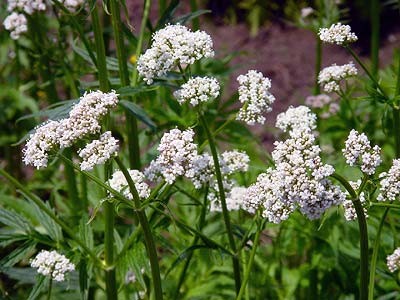
LATIN NAME: Valeriana officinalis
COMMON NAME: Valerian
Plant Profile
Valeriana officinalis, commonly known as Valerian, is a herb in the valerian family. Valerian is drowsy herb of old practice, and dense heads of pale-pink flowers scent air with sweet, heavy smell. It is a plant of open, sunny to partly shaded, moist ground. Through the flowering season it keeps visiting bees well supplied. All of this makes Valerian a satisfying plant to grow and to get to know.
Science & Biotechnology
Valerian root’s sedative reputation has a plausible biochemical anchor: its sesquiterpene valerenic acid inhibits the enzymatic breakdown of GABA, the brain’s principal calming neurotransmitter, and standardised extracts are typically assayed to 0.8 per cent valerenic acid. A meta-analysis of 16 randomised trials found valerian roughly doubled the likelihood of improved sleep quality versus placebo (relative risk about 1.8), with effects building over two to four weeks rather than acting like a fast hypnotic. The EMA monograph covers relief of mild nervous tension and sleep disorders. Next-day grogginess is uncommon, and the main cautions are additive sedation with alcohol or sedative drugs.
Research touching on Valeriana officinalis ranges from the botany of the valerian family to practical horticulture, including seed handling, propagation and the selection of superior forms. It retains a following among breeders and collectors, which keeps seed stocks in circulation.
Uses & Benefits
Gardeners value Valerian for its ornamental character, and the plant also fits naturally into herb, vegetable and cutting gardens. Valerian is a fine, historic plant of herb garden and wild patch. Dense, flat-topped clusters of small, pale-pink, fragrant flowers open through summer, drawing bees and hoverflies, and roots have a very long record in old practice as gentle calming herb, steeped into quiet evening tea. Valerian is one of heavy-scented herbs of old practice, and pale-pink clusters draw bees through the summer. It takes hold quickly and asks for no special treatment from then on.
Valerian root is Europe’s great sleep herb, official in pharmacopoeias and supported by human trials for sleep quality and nervous restlessness; its valerenic acids act gently on GABA pathways, and it works best taken regularly over weeks.
Growing from Seed
Valerian grows readily from seed. Level a tray of loose seed compost, sow evenly, cover to about the seed’s own depth, and keep it moist in full light. Once the seedlings have made true leaves, pot them on individually and plant out when they are sturdy and conditions are right.
Our Take
Once established, Valerian largely looks after itself. Beginners will find it patient of imperfect technique.
Related Reading
If Valerian appeals to you, these related plants are worth a look: