


Citrus macrophylla Seeds | Alemow
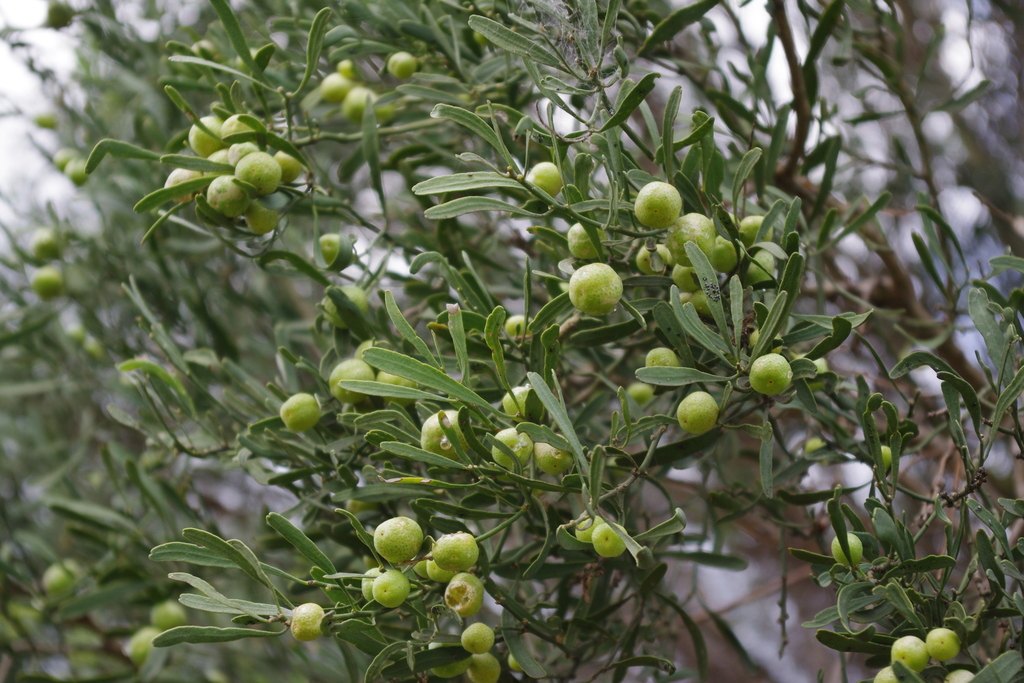
LATIN NAME: Citrus macrophylla
COMMON NAME: Alemow
Plant Profile
Alemow is a citrus with a modest reputation and a large fruit. Citrus macrophylla belongs to the papedas, the primitive, acid, thick-rinded group of the genus, and the tree is short, very spiny and more strictly tropical than the familiar oranges and lemons.
Current treatment writes the name with a hybrid sign, and the parentage is thought to be citron crossed with biasong, Citrus micrantha. That combination produces a large fruit that local populations consider inedible, which is a blunt judgement but a fair one: the flesh is acid and bitter, and the rind is thick and hard to work.
The plant is grown infrequently for medicine and other minor uses, and its real economic interest has been as a rootstock. It was introduced to Florida and California in the early twentieth century and trialled there as a rootstock for lemon and other citruses, with results that were interesting rather than decisive.
The epithet macrophylla means large-leaved, and the leaves are indeed among the largest in the genus, with broad winged petioles that make the tree identifiable even out of fruit. The name alemow is borrowed from the Philippine languages where the plant was first described by Western science.
Science & Biotechnology
The papedas are the wild, cold-intolerant wing of Citrus, and hybrid analysis has redrawn the whole genus in the last decade. Most familiar citruses turn out to be hybrids of a few ancestral species, and alemow fits that pattern: a cross between two of the ancestral lines, described by Wester and now written with the hybrid marker.
As a rootstock it has one notable property and one notorious one. It induces dwarfing, which interests orchardists who want small trees, and it is highly susceptible to Citrus tristeza virus, which ended most of the commercial interest in tristeza-affected regions. Trials continue in places where the virus is absent.
Citrus seeds are polyembryonic, producing several embryos from maternal tissue around the true zygotic one, and alemow behaves in the ordinary way. Seedlings are therefore mostly clones of the mother tree, so rootstocks are grown from seed at all; the variation is small enough to be useful and large enough to be managed. The catalogue keeps Citrus junos, Zanthoxylum tibetanum and Dysoxylum gotadhora from neighbouring families.
Uses & Benefits
The fruit is not eaten, and saying so plainly is more useful than cataloguing the ways it might be. The juice is acid enough for the local medicinal preparations in which the plant is occasionally grown, and the rind has been used in the usual ways that thick citrus rinds are used, but the market for alemow fruit does not exist.
Its use is as a rootstock and as a study subject. Dwarfing, drought tolerance and performance on calcareous soils have all been measured in trials, and the tree remains in citrus collections precisely because the picture is incomplete and the genetics are interesting.
For a home grower the honest framing is different: alemow is a tree for citrus hobbyists who want the full range of the genus, not a fruit tree. It is also handsome in its own thorny way, with the large leaves and white flowers that the family does well.
Growing from Seed
Sow citrus seed fresh and never let it dry, because the embryos lose viability quickly once the seed leaves the fruit. Clean the seed, surface-sow it in a warm mix at twenty-five to thirty degrees, and expect germination in two to five weeks, with the polyembryonic seeds producing two or three seedlings from one position.
Thin each seed position to the strongest seedling, grow the plants warm and bright, and pot on before the roots meet the container wall. Citrus resents root disturbance at every age, and a seedling whose roots are broken rarely catches up with one that was never checked.
The plant wants tropical conditions: it is more cold-sensitive than most citrus and will not tolerate frost at all when young. Grow it in a container under glass in temperate climates, feed it with the citrus-specific regime, and expect flowering on a four-to-six-year-old seedling.
Our Take
Alemow is a citrus for people who have grown the rest. It has none of the table value of a lemon and none of the sweetness of an orange, and its virtues are structural: big leaves, a tough disposition, and the genetic interest of being a first-generation hybrid of two ancestral species.
The seed is worth trying for exactly that reason. Most citruses sold today are complicated hybrids of hybrids; this one is one step from the wild group, and growing it from seed is the closest a temperate gardener comes to handling the raw material of the genus.
Related Reading
More species in the same orbit as Alemow: