


Citrus aurantium Seeds | Bitter Orange
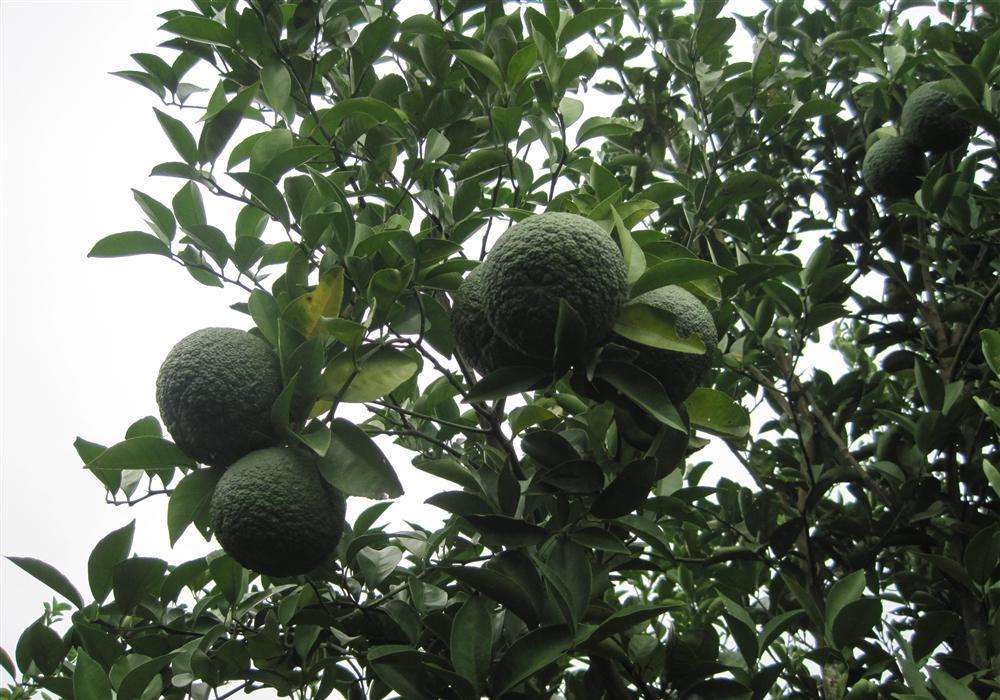
LATIN NAME: Citrus aurantium
COMMON NAME: Bitter Orange, Sour Orange, Seville Orange
Plant Profile
The bitter orange is a small evergreen tree of five to ten metres with glossy leaves on winged stalks, white flowers that smell of neroli, and round fruit with a thick, pitted, deep orange rind. The flesh is sour and slightly bitter, and it is not eaten fresh.
It is the tree behind Seville marmalade, Curaçao, neroli oil and petitgrain, and it is also the rootstock on which most of the world’s citrus was grown for a century. The plant is grown in the Mediterranean, in the West Indies and in southern China, often as a hedge rather than as a crop. The tree is thorny when young, and an unpruned hedge of sour orange is stock-proof within four years.
Science & Biotechnology
The unripe fruit contains synephrine, a phenylethylamine related to adrenaline, and the dried extract was sold as a stimulant and a weight-loss aid until the FDA banned it in 2004 after reports of cardiovascular events. The ripe fruit contains very little, and the difference between the two is a matter of harvest date.
The peel is rich in furanocoumarins, chiefly bergapten, which inhibit the enzyme that clears many drugs in the gut wall. That is the mechanism behind the grapefruit interaction, and bitter orange peel shows the same effect in vitro. The bitterness itself comes from naringin and neohesperidin, the same flavonoids that make grapefruit juice taste the way it does.
Uses & Benefits
The fruit is made into marmalade in Scotland and into liqueur in the Caribbean, and the dried peel is used in Chinese medicine and in brewing. The flowers are distilled for neroli, and the leaves and twigs for petitgrain, both of which are staples of perfumery.
Sour orange was the standard citrus rootstock until tristeza virus killed millions of trees in the 1930s and 1940s, and it has been largely replaced by citrange and by citrumelo. It is still used where the soil is calcareous and where the scion is compatible, since it tolerates lime better than most. In Mexico the fruit is halved and buried to sour the soil around hydrangeas, a use that relies on the same acidity that makes the juice unpleasant.
Growing from Seed
Sow fresh seed, which is polyembryonic: several seedlings come from one seed, most of them nucellar and therefore identical to the parent, and one from the embryo proper. Keep the vigorous uniform seedlings and discard the odd one if uniformity matters.
Grow in a large pot or in the ground in a frost-free climate, in full sun and in soil that drains. Water deeply and let the top few centimetres dry between waterings. Fruit takes five to eight years from seed, and the peel colours best where summers are hot; in a cool climate the fruit stays green and the juice is still sour.
Our Take
A tree grown for its peel, its flowers and its rootstock rather than its juice, and the one citrus worth planting in a frost-free corner. Give it heat if you want orange skin.
Related Reading
More species in the same orbit as Bitter Orange: