


Calceolaria Seeds | Slipper Flower
LATIN NAME: Calceolaria
COMMON NAME: Slipper Flower
Plant Profile
Calceolaria is a genus of about 269 species in the family Calceolariaceae, distributed from Patagonia to central Mexico, with its centre of diversity in the Andes. The genus includes shrubs, lianas and herbs, and it ranks among the most diverse plant groups in the Neotropics, both in form and in habitat, from cliff faces at 4,000 m to forest floors in Chile.
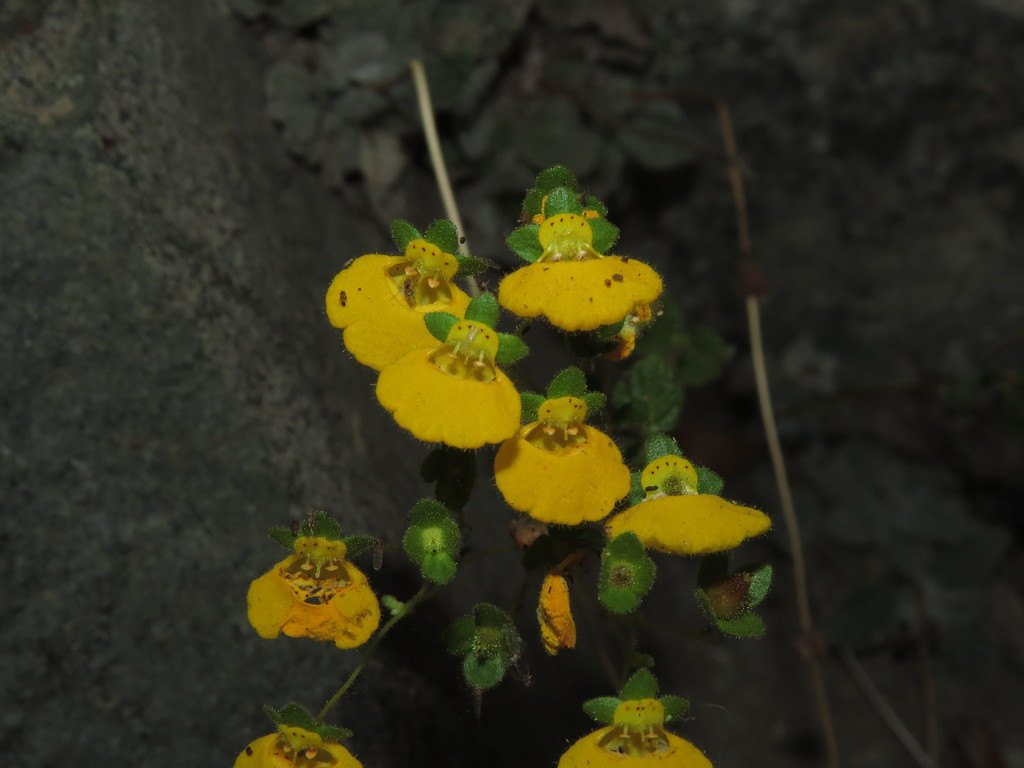
The garden plant is the Herbeohybrida Group, a complex of hybrids derived mainly from Calceolaria crenatiflora, C. corymbosa and C. cana, and known only in cultivation. It forms a compact plant 20 to 40 cm high with a rosette of pale green, scalloped leaves and a head of flowers that look like small purses or slippers, each a swollen pouch 2 to 4 cm long in yellow, orange, red or a mixture, usually spotted.
The wild species are very different: some are shrubs 2 m tall, some are trailing plants of cliff faces, and some are annuals of the high Andes. That diversity is one reason the genus attracts botanists, and it is also why the garden forms are so far from anything in the wild. The name comes from the Latin calceolus, a small shoe, and the common names all say the same thing.
Science & Biotechnology
The Calceolariaceae is a small family, separated from the Scrophulariaceae on molecular evidence, and it contains only two genera: Calceolaria and the Andean Jovellana. The family is characterised by the pouched flower and by the oil-secreting hairs that give the flower its reward, and it ranks among the few families defined as much by chemistry as by morphology.
The oil is produced by trichomes inside the pouch and collected by females of the bee genera Centris and Chalepogenus, which have specialised brushes on their front legs. The bee pushes into the flower, contacts the anthers and leaves with pollen on its back, which is the same mechanism that operates in many oil flowers but with a different anatomy.
Uses & Benefits
It is grown as a winter and spring pot plant for a cool, bright room, a conservatory or a cold greenhouse. It is not a garden plant in most climates, since it wants cool, humid air and collapses in heat, but in a mild, foggy climate it can be grown outdoors in a shaded, sheltered spot, where it will flower in spring and may self-sow.
The colour range of the Dainty series is one of its attractions: yellow, orange, red, bronze and a bicolour that is almost a picotee, with a contrasting edge to the pouch. The spotting varies from plant to plant, which is charming or annoying depending on whether you want uniformity, and it ranks among the reasons seed strains are less uniform than cuttings. Its nearest neighbours on the list are Calceolaria crenatiflora, Maurandya barclayana and Penstemon hartwegii.
Growing from Seed
Sow in late summer for winter and spring flowering, on the surface of a fine, moist compost at 15 to 18 °C. The seed is dust-fine and needs light, so do not cover it; water from below and cover the tray with glass to hold humidity.
The seed is up in two to three weeks without any help. Prick out when the seedlings are large enough to handle, into a compost with leaf mould and grit for drainage. Keep them cool and bright, and do not cover the pot, since the seed needs light.
Hold them at 10 to 15 °C in good light and on the cool side, because a warm autumn under glass makes soft growth that rots at the neck in winter. Pot on as the roots fill, and do not overpot, since a large pot of wet compost is the commonest cause of collapse. Feed every two weeks from bud stage with a dilute liquid fertiliser.
Water the compost rather than the plant, and never let water sit in the crown. Stand the pot on a saucer of damp gravel to raise the humidity, and give bright light without direct sun. For a second year, cut the plant back after flowering, keep it cool and barely watered through summer, and start it into growth again in autumn.
Our Take
As a genus, Calceolaria is a collector’s plant: 269 species, most of them impossible in cultivation, and a handful of hybrids that make superb winter pots. The Dainty series is the one to buy if you want the effect without the difficulty, and it is cheap enough to treat as a two-month visitor rather than a permanent plant.
Keep it cool, water it from below, and do not expect it to survive a warm room. That is what it is, and it does the job better than anything else in February, when the garden outside is doing nothing at all.
Related Reading
Readers interested in Slipper Flower frequently explore these as well: