


Primula obconica Seeds | German Primrose
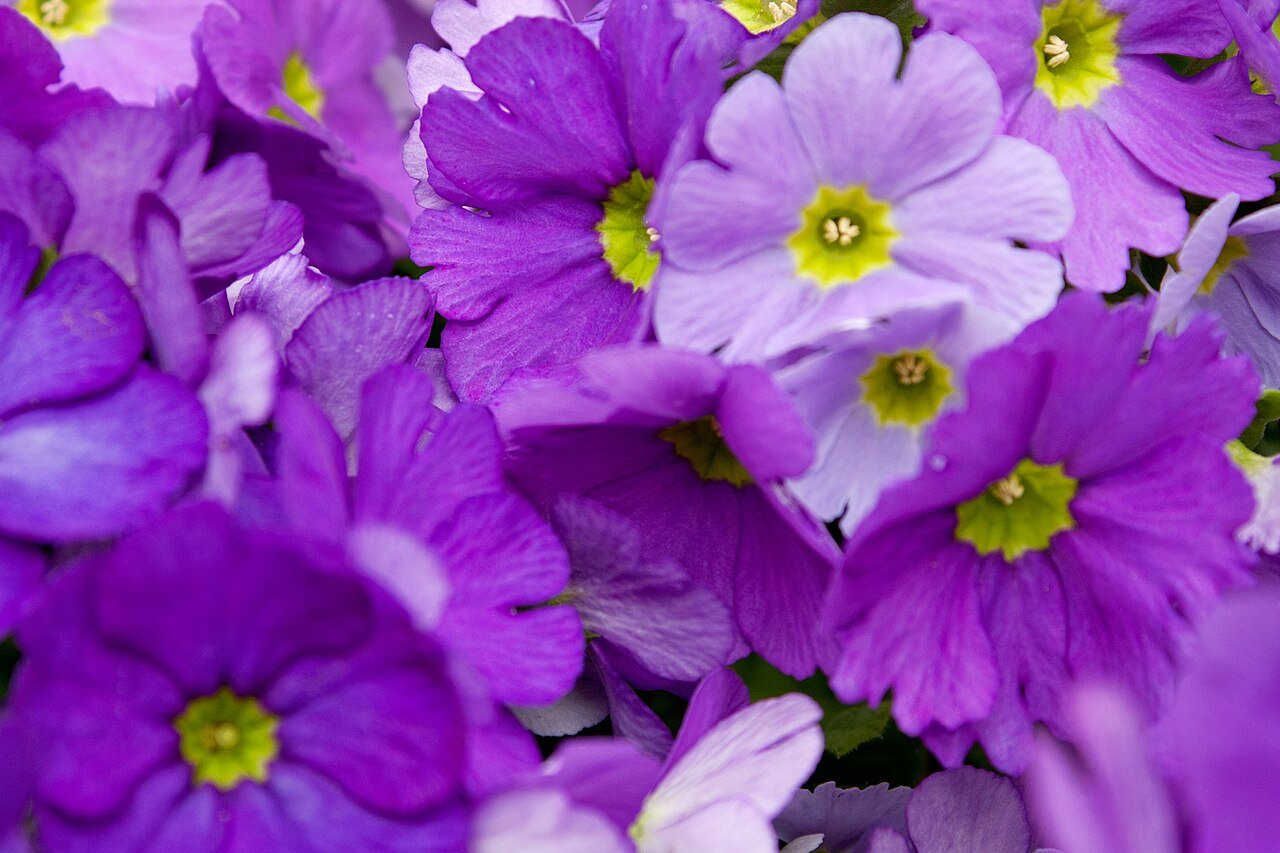
LATIN NAME: Primula obconica
COMMON NAME: German Primrose
Plant Profile
Primula obconica comes from central and western China, from Hubei and Sichuan into Yunnan, where it grows on shady banks and in damp woodland. It is a short-lived evergreen perennial 30 to 40 cm tall and 25 cm across, with a rosette of coarse, heart-shaped leaves and thick stalks bearing umbels of lavender, pink or white flowers in late winter and early spring.
The species name refers to the obconic, or inverted-cone, shape of the calyx, which is one of the features that separates it from other primulas. The flowers are 3 to 4 cm across, flat-faced with a yellow eye, and they are produced over a long period from January to April, so the plant is grown as a winter pot.
It is commonly called the German primrose, a name that reflects its importance in the German pot plant trade rather than its origin, and it ranks among the few primulas that is grown commercially on a large scale for sale in flower during the winter.
Science & Biotechnology
Primula is a genus of about 500 species, mostly northern temperate, and it is famous in genetics for heterostyly, the condition in which a species has two flower forms with different style lengths. That system, worked out in the 1860s by Charles Darwin in Primula, prevents self-pollination and is one of the classic examples of floral adaptation.
Primin is a benzoquinone produced in glandular hairs on the leaves and stems, and it ranks among the most potent plant allergens known. It is also found in Primula elatior and in some other species, so handling wild primroses can cause a rash in sensitive people.
The breeding of primin-free cultivars was done by selecting plants with low primin content and crossing them, a process that took several decades and produced the Touch Me series in the 1990s. That work is a useful example of how a chemical problem in a plant can be solved by conventional breeding rather than by genetic engineering. Three other Primulaceae are catalogued alongside it: Primula vulgaris, Primula elatior and Primula veris.
Uses & Benefits
It is a winter pot plant for a cool, bright room, a conservatory or a cold windowsill, where its flowers fill the gap between Christmas and spring. It is also grown outdoors in a sheltered, damp spot, where it will flower in early spring and may naturalise in a mild climate.
The plant’s history is dominated by one problem: it contains primin, a benzoquinone that causes allergic contact dermatitis in a significant proportion of people who handle it. Growers in the nineteenth and twentieth centuries suffered rashes and blisters, and the plant acquired a reputation that kept it out of many gardens.
That problem has largely been solved. The Touch Me series, bred in the 1990s, is free of primin, and it has allowed the plant to return to the trade as a safe winter pot. If you buy a primula obconica today, check the label; most of the modern cultivars are primin-free, but the old ones are not.
In northern Europe it is produced in heated greenhouses from seed sown in summer, and shipped to market in bud so that the customer gets the longest possible display. That schedule is why the plant is available in January, when almost nothing else is.
Growing from Seed
Sow in late spring or early summer at 15 to 18 °C, on the surface and only just covered, since the seed needs light. The seed comes up over three to four weeks, and unevenly. Fresh seed germinates much better than stored seed.
Prick out into a compost with leaf mould and grit, and grow on at 12 to 15 °C in bright, indirect light. Pot on as the roots fill, and keep the plants cool; a warm greenhouse produces soft growth that rots at the crown.
Water from below and never let water sit in the crown. Feed every two weeks from bud stage. After flowering, the plant can be kept for a second year, but it is usually discarded, since the rosette becomes woody and the flowering is poorer. In a mild climate it can be planted out in a damp, shady spot, where it will flower in spring.
Our Take
Primula obconica is a good winter pot with a bad reputation, and the reputation is now out of date. The modern primin-free cultivars are safe to handle and easy to grow, and they flower for three months at a time when little else will. Buy a named cultivar rather than an unnamed one, keep it cool, and water it from below. It will flower until April, and then you can throw it on the compost without guilt.
Related Reading
Gardeners who grow German Primrose often pair it with these related subjects: