


Primula malacoides Seeds | Fairy Primrose
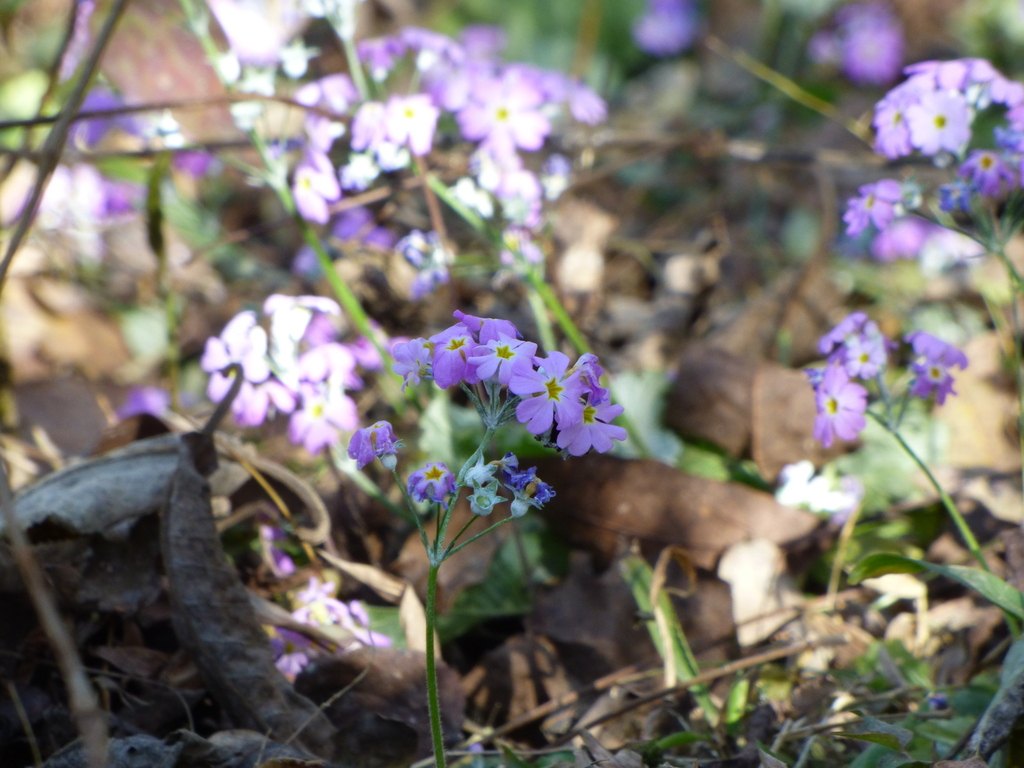
LATIN NAME: Primula malacoides
COMMON NAME: Fairy Primrose
Plant Profile
Fairy primrose, or baby primrose, is a perennial species of Primula native to the Himalayas, Assam, Myanmar and south-central and southeast China, grown the world over as a biennial bedding and pot plant. It carries the Royal Horticultural Society’s Award of Garden Merit, and the flowers are usually purple, with red, white and bright-pink forms alongside.
The plant is built in tiers: whorls of small flowers stacked up a stem above a rosette of hairy, pale-green leaves 4 to 8 cm long. The whole plant spans about 30 cm across and stands 20 to 40 cm tall, and a good specimen carries several tiers at once, which is the effect the name fairy is describing.
Its origin story is unusually blunt: in China it was considered a weed, growing on the rice fields of farmers in Yunnan and neighbouring provinces. The plant collector George Forrest cultivated it from seed in 1908, and the species began gaining popularity among commercial growers in England almost immediately.
Within a decade of that introduction, a new strain, colourful and fragrant, was being sold commercially in greenhouses in the United States and throughout Europe. Few garden plants have moved from farmers’ nuisance to international bench crop so fast, and the fairy primrose has never really left the benches since.
Science & Biotechnology
The whorled inflorescence is the species’ signature among primulas: flowers arranged in rings up the scape rather than in the loose umbel of its relatives, which is what gives the tiered, pagoda effect. The scent is real and old strains were selected for it, though modern compact strains trade fragrance freely for height discipline.
Coolness is the physiology behind it. Like most primulas it is a plant of mountain monsoon climates, growing through the cool and flowering as temperatures lift, so it is programmed to do its best work in the grey months a greenhouse provides. Warmth ends the show; the species cannot be argued out of its calendar.
Its known pest is the aphid, whose signs are honeydew secretion, galls and distortion of leaves, and the foliage itself irritates some handlers, enough that gloves are advised. The species is also credited with allergenic properties, with rashes and headaches reported, which is worth knowing before benching it in a closed room. It sits among Primula vulgaris, Primula elatior and Primula veris, all Primulaceae.
Uses & Benefits
Its uses are the windowsill, the cool greenhouse and the spring bedding scheme: a popular ornamental as a houseplant or greenhouse plant, bringing colour into the weeks when nothing else on the bench is awake. In mild-winter gardens it also works as a spring outdoor bedding subject in sheltered shade.
In the house it wants the brightest cool position available, an east or north window rather than a warm living room, and it repays the discipline with the longest possible flowering. Where a cold porch or unheated sunroom exists, that is its ideal address.
As a breeding subject it founded a dynasty: the modern fairy primrose strains, in their full colour range, descend from the selections made in the decade after Forrest’s introduction, and its genes sit behind much of the bedding primula trade. Sowing the species is sowing the ancestor of the bench crop.
Growing from Seed
Sow the seed on the surface of moist, fine compost and do not cover it, because primula seed wants light. Cool conditions suit it: a shaded cold frame or a cool north windowsill is better than a propagator. Germination is uneven, so keep the tray moist and wait a full month before giving up on it.
Grow the seedlings cool and never dry, pricking out gently by the leaves rather than the stems. Pot on into fertile, well-drained soil and keep the watering regular, since the species resents drought at the root but rots quickly in standing water. Feed lightly once the rosettes fill.
For spring flowering, sow the previous year in late winter or early summer and grow the plants cool through summer, the opposite of bedding logic. Division in late summer is the alternative route for kept plants, and the crown separates cleanly into rooted rosettes that flower the same season.
Our Take
Fairy primrose is the bench flower with a working-class past: a weed on Chinese rice fields that reached greenhouses on three continents inside ten years, and whose fragrant tiers still justify a cool windowsill every winter. The genus has grander members, but none with this calendar.
Sow it cool, keep it moist, and give it the coldest bright room you have. Every failure with this species is a failure of warmth, and every success is a windowsill nobody thought to use. Sown in succession, a tray a month keeps the tiers coming from winter into spring.
Related Reading
If Fairy Primrose appeals to you, these related plants are worth a look: