


Melampodium Seeds | Melampodium
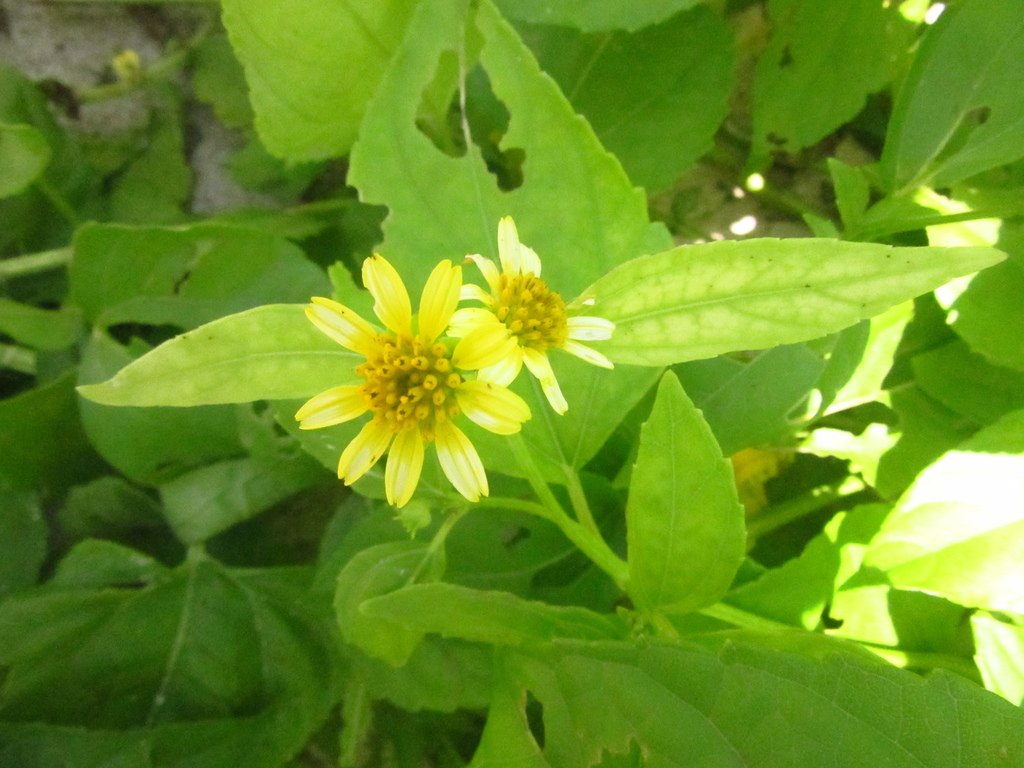
LATIN NAME: Melampodium
COMMON NAME: Melampodium
Plant Profile
Melampodium is a genus of about 40 species in the Asteraceae, native from the southern United States through Mexico and Central America to northern South America. The garden plant is almost always Melampodium divaricatum, a compact annual 30 to 60 cm tall with opposite, slightly hairy leaves and a mass of small golden daisies held above the foliage.
The flowers are 1.5 to 2.5 cm across, with a single row of short rays around a tight yellow disc, and they are produced in such numbers that the plant looks like a mound of butter. Flowering begins about eight weeks from sowing and continues without a break until the first hard frost. Elsewhere in Asteraceae, the list holds Melampodium divaricatum, Ageratum houstonianum and Chrysanthemum lavandulifolium.
The plant’s great virtue is that it needs nothing. It does not need deadheading, it does not need pinching, it does not need rich soil, and it does not stop flowering in heat. It ranks among the few annuals that looks the same in July and in October, so it is used so heavily in municipal plantings. In the wild it grows on disturbed ground and roadsides in the Mexican highlands, often in dense colonies that flower for months, and it was introduced to European gardens in the eighteenth century.
Science & Biotechnology
Melampodium is a genus of the Heliantheae, the same tribe as sunflower and zinnia, and it is characterised by its opposite leaves and its small, densely packed flower heads. The genus has been revised several times, and some species have been moved to other genera on molecular evidence.
The yellow colour is produced by carotenoids in the ray and disc florets, and it is unusually stable for a carotenoid pigment, so the flowers do not fade in sun the way a yellow rose does. The green centre of the young flower is chlorophyll in the disc, which disappears as the florets open.
The plant is self-fertile and sets seed freely, but the seed is often sterile in the F1 cultivars, so saved seed from Jackpot Gold does not come true. That sterility is also why the plant does not self-sow in the way that a species does, which is either a fault or a convenience depending on your view. The plant is also one of the few annuals that is genuinely self-cleaning, dropping its spent flowers without any help, so it looks tidy in a municipal bed that is visited once a month.
Uses & Benefits
It is a bedding and container plant, used at the front or middle of a border, in municipal schemes, and in mixed pots where its clear yellow holds its own against stronger colours. It combines well with blue and with dark foliage, and it makes a useful edging for a path or a bed.
It ranks among the most heat-tolerant annuals available, flowering through 35 °C without wilting, and it tolerates drought once established. That combination makes it valuable in the southern United States, in the Mediterranean and in any garden where July is a trial rather than a pleasure.
The cultivar Jackpot Gold is the standard, a compact plant 30 cm high and wide, uniform from seed and flowering early. Other selections vary in height and in the size of the flower, but all of them share the same habit and the same indifference to weather.
Growing from Seed
Raise the plants indoors from late winter, six to eight weeks before the frosts end, at 21 to 24 °C, and cover the seed thinly. The seed comes up in ten days to a fortnight, and almost every one of them comes up. The seed is large enough to handle and the seedlings are vigorous.
Move them into 7 cm pots and hold them at 18 °C. No pinching is needed, since the plant branches naturally from the base, which is one of the reasons it is so easy. Plant out after the last frost, 25 to 30 cm apart, in full sun.
Water until it is established, then only in a dry spell. Do not feed; rich soil produces soft growth and fewer flowers. The plant needs no deadheading, and it will flower until the first frost. In a mild climate it may self-sow, though the seedlings will not be identical to the parent.
Our Take
Melampodium is the most reliable yellow annual in the trade, and the least interesting. It does one thing, which is to cover itself in small gold daisies for five months, and it does it without asking for anything. If you want a plant that looks after itself, this is it. Grow it at the front of a border or in a pot, and use it as a foil for darker colours. It will not surprise you, but it will not let you down either.
Related Reading
More species in the same orbit as Melampodium: