


Physalis peruviana Seeds | Cape Gooseberry
LATIN NAME: Physalis peruviana
COMMON NAME: Cape Gooseberry
Plant Profile
Cape gooseberry is a South American species in the nightshade family, known within its native range as aguaymanto, uvilla or uchuva, and in English as goldenberry, physalis or Peruvian groundcherry. Despite the name, it is not related to the true gooseberries of the genus Ribes.
Its cultivation in South America goes back to the Inca Empire, and it has been grown in England since the late eighteenth century and in South Africa since at least the start of the nineteenth. The names travel with the fruit: aguaymanto and topotopo in Peru, uchuva in Colombia, uvilla in Ecuador, and in the United States it is sold as goldenberry, or sometimes pichuberry after Machu Picchu.
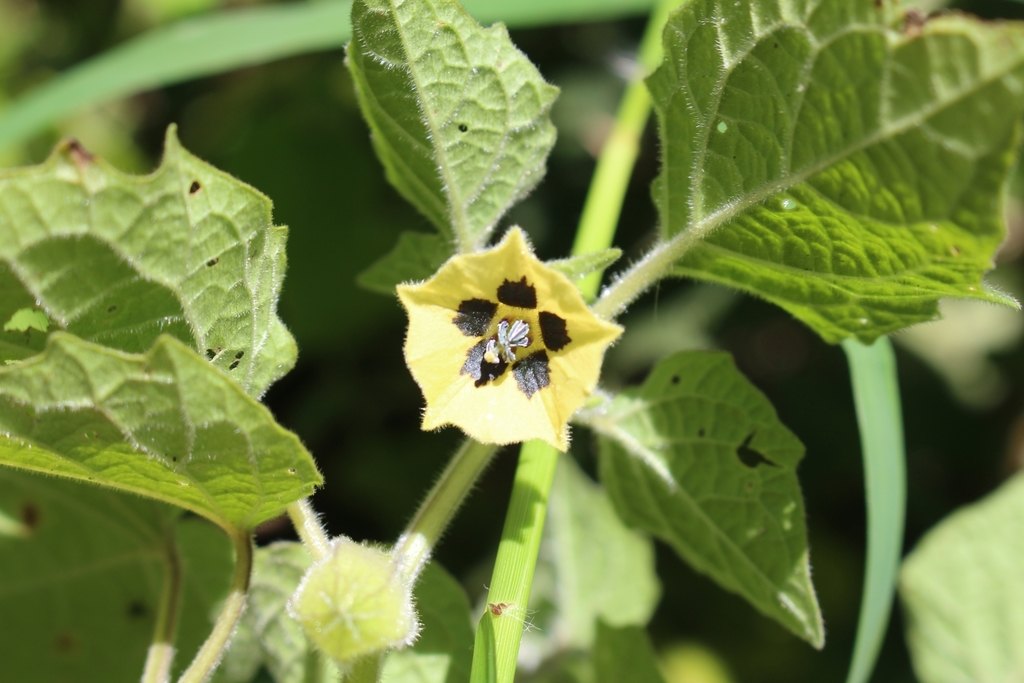
In temperate climates it is an annual; in the tropics it becomes a diffusely branched shrub 1 to 1.6 m tall, with spreading branches and velvety, heart-shaped leaves. The flowers are hermaphrodite, bell-shaped and drooping, 15 to 20 mm across, yellow with purple-brown spots inside.
After the flower falls, the calyx keeps growing. It expands into a beige, papery husk that fully encloses the fruit, and it stays inflated until the berry is ripe. That husk is the plant’s most recognisable feature and the reason the fruit keeps so well. It sits among Solanum pseudocapsicum, Solanum mammosum and Nicotiana alata, all Solanaceae.
Science & Biotechnology
The husk is an accrescent calyx: it is present at flowering at normal size, then continues to grow after the petals fall until it forms a protective cover around the developing fruit. Because it is closed, it keeps insects off, reduces water loss and protects the berry from rain damage, so fruit left inside intact husks stores far longer than bare fruit.
The berry inside is a small, orange-yellow sphere with a flavour that sits between tomato, pineapple and gooseberry. It is high in vitamin C, carotene and polyphenols, and the oil in the seed contains significant amounts of linoleic acid, which has driven interest in it as a nutraceutical crop. A hundred grams supplies 53 calories and moderate levels of niacin and vitamin C, and the seed oil is dominated by linoleic and oleic acids, with beta-sitosterol and campesterol as the main phytosterols.
The plant’s weedy reputation comes from the same traits that make it a good crop: it sets fruit heavily, the seed is viable for years, and birds spread it. Outside its native range it has naturalised in many tropical and subtropical regions, and in some places it is treated as an invasive.
Uses & Benefits
The fruit is eaten fresh, dried like a raisin, or cooked into jam and sauces. In Colombia it is a major export crop, sold as uchuva in supermarkets in Europe and North America, usually with the husk left on for shelf life. Fruit is picked by hand because the husk splits if handled roughly, and the crop is graded by size before export.
In South Africa it gave the plant its English name, and it is still used there for jam and for a traditional preserve. In England it was a glasshouse fruit in the nineteenth century, grown for the dessert table and decorated with its own husks. The husks are also used in floral work, either fresh or dried, and the stems with husks attached are a standard item in autumn arrangements. They last for months if kept dry.
Growing from Seed
Sow in late winter or early spring at 20 to 22 °C, 5 mm deep. Germination takes two to three weeks and is usually reliable. The seedlings are vigorous and should be potted on quickly, because they grow fast and resent being checked.
Plant out after the last frost, 60 to 90 cm apart, against a warm wall if you can. The plant needs sun and a long season to ripen fruit, and in a cool climate it will produce heavily in September and then be cut down by the first frost with fruit still green.
Pick fruit when the husk turns from green to beige and the berry inside is fully coloured. Fruit picked with the husk intact keeps for weeks at room temperature, and longer in a cool room. The plant self-sows readily, so expect seedlings the following year. Pick them with a centimetre of stem and they keep for a month in a paper bag.
Our Take
It is one of the easiest unusual fruits to grow, and one of the most generous: a single plant can give hundreds of berries. The catch is the season. In a short-summer climate you get a glut in the last three weeks before frost and very little before that, so start early, grow it against a wall, and be ready to bring a pot under cover in September.
Related Reading
More species in the same orbit as Cape Gooseberry: