


Solanum texanum Seeds | Texas Nightshade
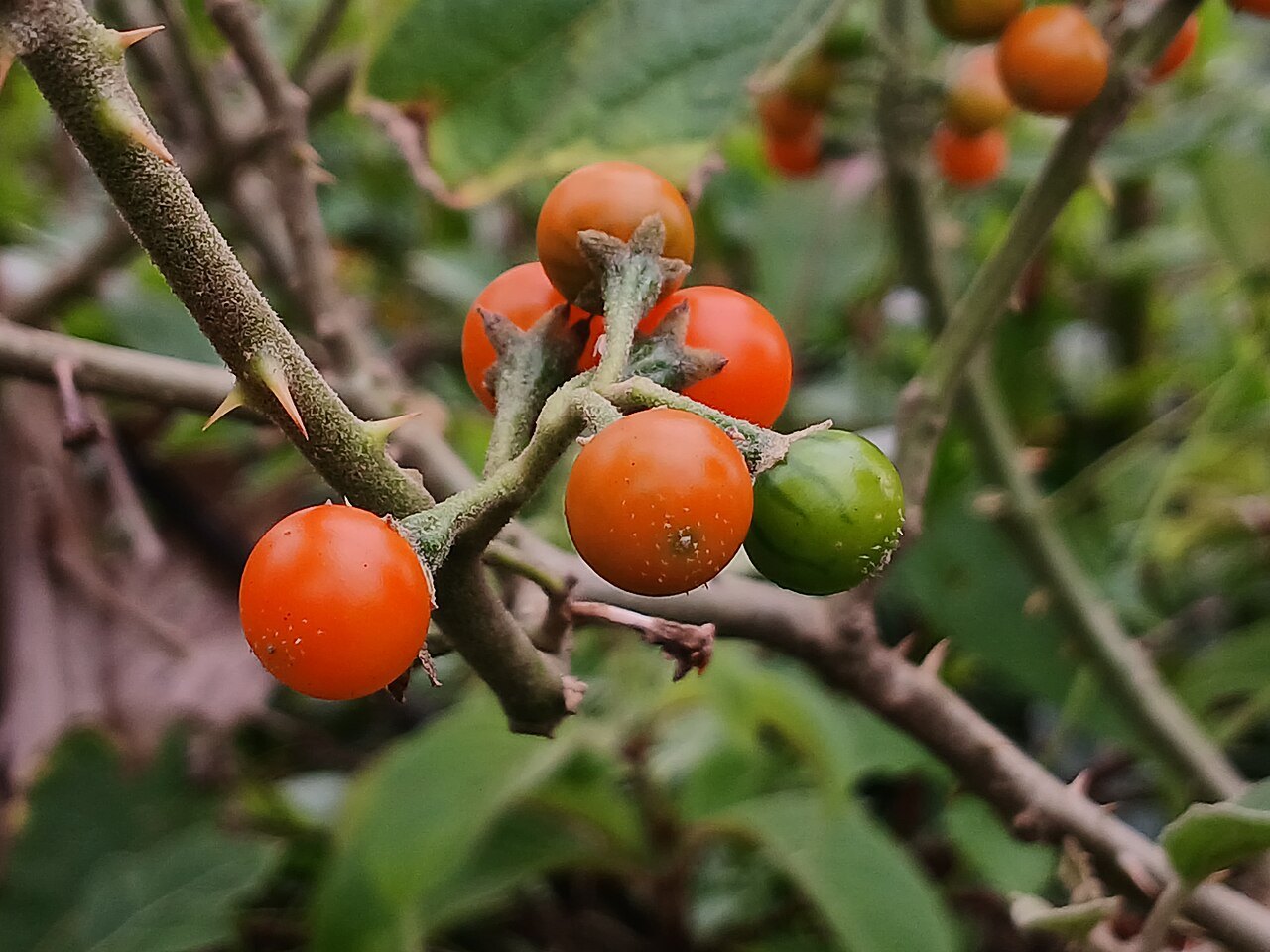
LATIN NAME: Solanum texanum
COMMON NAME: Texas Nightshade
Plant Profile
Solanum texanum is a name with two lives. Dunal described it in 1852 from Texas material, and that plant has since been referred to the African eggplant complex. The name as used in the seed trade refers instead to the silver-leaved nightshades of Texas and northern Mexico, which are different plants altogether. The two entities share a genus and almost nothing else.
The plants sold under it are usually Solanum elaeagnifolium, the silverleaf nightshade, or Solanum triquetrum, the Texas nightshade. Both grow in dry ground from the Edwards Plateau south into Coahuila and Nuevo León, in scrub, roadside and overgrazed pasture, and both are tough enough to be called weeds where they are not wanted. The silverleaf form spreads by rhizome and is far the more aggressive of the two.
They are herbaceous perennials or subshrubs with prickly stems, wavy-edged leaves covered in dense silvery hairs, and star-shaped violet to blue flowers. The anthers are yellow and open by pores at the tip rather than by slits, a detail that defines the genus. The prickles are straight and yellow, sharp enough to draw blood through a glove.
Solanum elaeagnifolium has become a serious weed in Mediterranean climates and in parts of Australia, where it spreads by root fragments as well as by seed. It resists cultivation, it survives drought on deep roots, and it is toxic to stock when grazed in quantity. It is declared noxious in several countries and is controlled with difficulty.
Science & Biotechnology
The poricidal anthers are the key to the genus. They release pollen only when vibrated at the right frequency, so the flowers are worked by bumblebees and by specialist solitary bees that sonicate the anthers and shake the powder out. The vibration is produced by flight muscles, not by the mouthparts.
The silver hairs on the leaves are a defence against both drought and insects. They reflect light, reduce transpiration and make the leaf surface difficult for small herbivores to walk on, and they give the plant its distinctive grey-green colour. The hairs also trap a thin layer of still air next to the leaf.
The berries contain solanine and related steroidal glycoalkaloids, which are bitter and toxic, and they are dangerous to children who mistake them for something edible. Ripeness reduces but does not remove the risk. Livestock poisoning is usually the result of hungry animals in overgrazed paddocks. Its Solanaceae company here includes Solanum dulcamara, Solanum pseudocapsicum and Physalis peruviana.
Uses & Benefits
There is no ornamental trade of any size in these plants, and no food use. They appear in lists of toxic plants and in weed manuals far more often than in garden catalogues, and that reputation follows them everywhere they grow. It is a plant that people photograph and then avoid.
Some southwestern gardeners grow the silverleaf nightshade deliberately for its felted foliage and its late blue flowers, in a dry border where nothing else will take the heat. It is a plant for a wild corner rather than a formal bed. It needs a dry summer and a cold winter to look its best.
Indigenous and Hispanic practice in the borderlands uses root preparations externally for toothache and skin complaints, a use that reflects the toxicity rather than contradicting it. It is not a home remedy and should not be treated as one. The root is prepared by boiling and is used only externally.
Growing from Seed
Sow the seed in spring at twenty degrees or more, after soaking it for a day to leach the germination inhibitors in the pulp. Germination is uneven and can take a month, and fresh seed is far better than old. The seed coat is hard, and scarification helps a little.
The seedlings are slow at first and then sudden, and they resent being moved once the taproot has gone down. Raise them in deep pots and plant them out young, in full sun and sharp drainage. Water the transplants once and then leave them alone.
Once established the plant needs nothing, and it will spread by root if the ground is disturbed. That is either the point or the problem, depending on the garden, and it is worth deciding before you plant. A single plant can send up shoots two metres from the parent within a season.
Our Take
A plant with two identities in one name is a small lesson in why botanical names matter. Buy it as a Texas nightshade and you may get a Mediterranean weed; buy it as Dunal’s species and you get an African vegetable. Neither identity is quite what the catalogue promises.
Grow it for the silver leaves and the blue stars, in a dry corner, with gloves on and children warned. That is the whole of the advice this plant requires. It is a plant for the dry edge of a garden and a stout pair of gloves.
Related Reading
Continue exploring with these related plants: