


Iris florentica Seeds | Florentine Iris
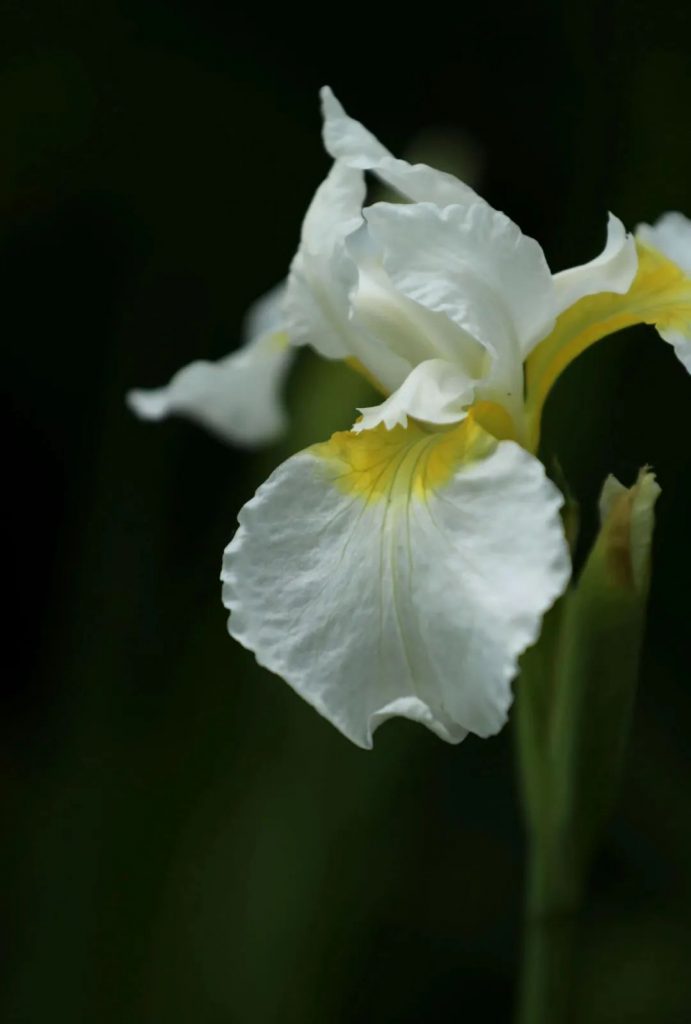
LATIN NAME: Iris florentica
COMMON NAME: Florentine Iris
Plant Profile
Iris florentica — Florentine Iris — is a species with genuine garden merit. The Florentine iris swords fan of broad, grey-green leaves, tall, branching stems carrying white flowers with soft, lavender-blue falls, and the whole plant holding the stately, fragrant look of the bearded irises. Flowers open through late spring, each bloom with sweet, violet scent, and thick, knobbly rhizomes spread just under the soil. Rhizomes have been dried and powdered for orris root of perfumes for generations. In combination, these characteristics make a persuasive case for growing it.
Science & Biotechnology
Within the Iris group, Iris florentica is of continuing interest to researchers working on plant diversity, seed biology and the selection of improved garden forms. The Florentine iris keeps a long, fragrant record in chemistry of the perfumery. Breeders and collectors still work with it, so well-kept seed remains available.
Uses & Benefits
Beyond its ornamental appeal, Florentine Iris has the practical versatility that makes a plant worth growing from seed year after year. In sunny border, the Florentine iris brings stately bloom and quiet scent together. White flowers open through late spring, dried rhizomes have served perfumes, powders and traditional remedies for generations, and neat, sword-like foliage holds its place through the season. Flowers draw bees, and clumps spread into dependable drifts. Beyond the establishment year, its needs are simple and few.
Iris rhizomes, the orris of perfumery, yield one of the most luxurious fragrance materials after years of curing; the genus has toxic fresh rhizomes, so its medicinal history is strictly professional and its garden value immense.
Growing from Seed
Florentine Iris is one of those generous plants that come along well from seed. Surface-sow onto a light, well-drained compost, dust over a thin covering, and keep evenly moist and sunny until the seedlings show. When the young plants are big enough to handle, space them into pots or a nursery row and let them size up before their final move.
Our Take
Its long record of traditional use, described above, gives the plant a story beyond ornament. Florentine Iris is the kind of plant that rewards a permanent spot. Young plants want steady water; older plants take conditions as they come.
Related Reading
More species in the same orbit as Florentine Iris: