


Chamaemelum nobile Seeds | Roman Chamomile
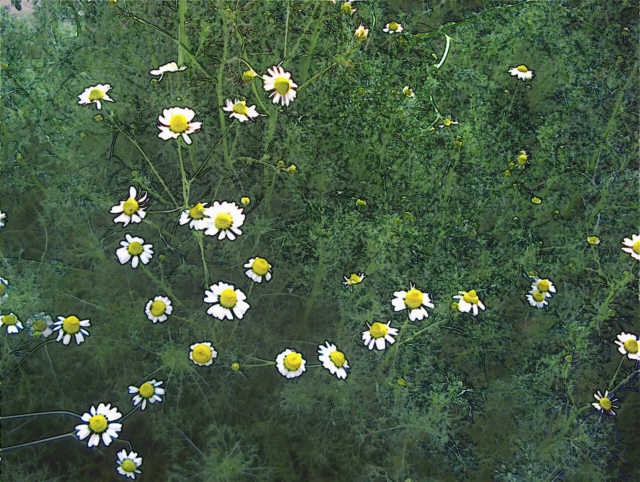
LATIN NAME: Chamaemelum nobile
COMMON NAME: Roman Chamomile, English Chamomile
Plant Profile
Roman chamomile is a low, mat-forming perennial that behaves less like a flower and more like a fragrant ground cover. Its finely divided, feathery leaves lie close to the soil, and through summer it lifts many small, daisy-like heads, white rays around a domed yellow centre, on slender stems just above the foliage. The name “ground apple” comes from the scent released when the foliage is walked on or brushed, a green, apple-like note unlike the honey smell of its German cousin. The species is diploid and spreads by leafy stolons rather than by aggressive seeding, which is exactly why it can be mown and walked on without harm.
The standout horticultural fact is the lawn cultivar ‘Treneague’, a selection that is almost entirely sterile and non-flowering, producing a dense, even mat of foliage that withstands light foot traffic and needs no mowing of blooms. Where a flowering chamomile lawn is wanted, the common type is used instead, but ‘Treneague’ is the plant behind most chamomile seats and low paths in period gardens. Because it sets little viable seed, it is held true by division or cuttings, a neat example of how a sterile clone becomes a garden standard.
The dried flower heads make the familiar chamomile tisane, a mild, apple-scented infusion taken in the evening, and the fresh foliage is the material for scented lawns and seat plantings, where it releases aroma underfoot. In the ornamental garden it edges a border, fills a gap between paving stones, and softens the edge of a herb knot. As a companion plant it is reputed to neighbour brassicas and alliums, though the effect is gentler than the legend suggests, and the low mat makes a handsome foil for taller silver foliage.
Science & Biotechnology
The aromatic chemistry of Roman chamomile is distinct from that of German chamomile (Matricaria recutita). The heady, apple-like essential oil is built around isobutyl angelate and related angelate esters, with isobutyl butanoate and smaller amounts of the sesquiterpene chamazulene precursors. Steam distillation of the flowering tops gives a blue-tinged oil used in perfumery and traditional preparations, though the absence of the high chamazulene levels found in German chamomile marks a real chemical difference between the two herbs.
Micropropagation of chamomile by shoot culture is documented, and breeders have screened both species for seedless or high-oil lines; the sterile ‘Treneague’ is itself a product of that selection logic, maintained by division or cuttings because it sets little viable seed. The comparison with German chamomile is a useful teaching point: same family, same daisy look, very different oil chemistry and very different garden behaviour.
Uses & Benefits
The plant has a documented place in period gardens: chamomile seats and chessboard squares were planted at Hampton Court and similar estates, where the mat released scent underfoot. The distilled oil also entered old cosmetic recipes as a hair rinse and a skin wash, prized for the same apple-like esters that define the scent, though modern users rely on the tisane more than the rinse.
Growing from Seed
Sow the seed on the surface of a moist, fine seedbed and press it in lightly, as it needs light to start, then keep the medium damp but not sodden. Transplant or thin seedlings once they show four to six true leaves, setting lawn plants about 15 cm apart so the mats knit within a season, or 25 cm for a flowering display. Roman chamomile wants full sun and a light, well-drained soil; it sulks in heavy, wet clay and in deep shade. Water young plants regularly until they spread, then cut back on watering because the mat resents winter damp. Trim the flowering stems after bloom to keep the patch tidy, and lift and divide established clumps every three or four years to stop the centre from dying out. ‘Treneague’ is best increased by division or rooted cuttings rather than by seed, and a spring top-dressing of poor soil keeps the green dense.
Our Take
For a scented lawn I plant ‘Treneague’ and never look back, then keep a flowering patch of the species for tea. Compare the two chamomiles via German Chamomile and the border-friendly English Lavender; for more daisy-family ground covers see Golden Marguerite.
Related Reading
If Roman Chamomile appeals to you, these related plants are worth a look: