


Eryngium campestre Seeds | Field Eryngo / Sea Holly
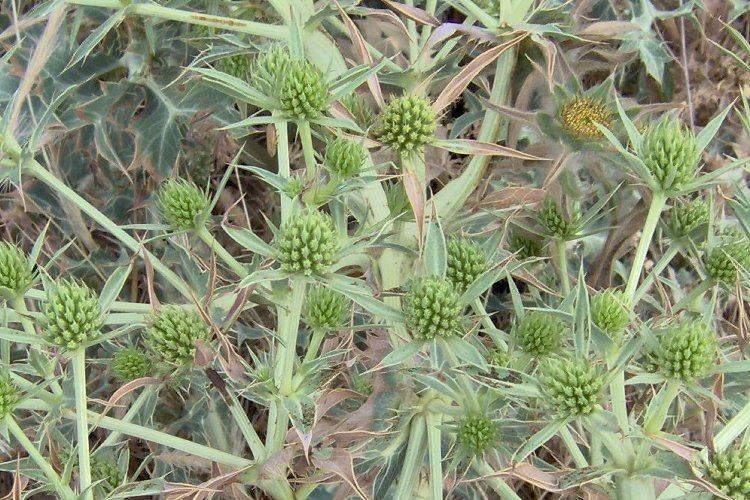
LATIN NAME: Eryngium campestre
COMMON NAME: Field Eryngo / Sea Holly
Plant Profile
Known to gardeners as Field Eryngo / Sea Holly, Eryngium campestre is a noteworthy species in the family Apiaceae. Put simply, this is a rewarding species for anyone willing to give it a suitable spot.
Science & Biotechnology
Seed science, comparative botany and horticultural selection all touch on Eryngium campestre, a representative of Apiaceae with clear practical value. Eryngium species are studied for their specialised secondary metabolites, root chemistry and ecological relationships with insects. In the laboratory and trial ground alike, it serves as workable material for propagation research and line selection.
Uses & Benefits
Gardeners value Field Eryngo / Sea Holly for its ornamental character, and the plant also fits naturally into herb, vegetable and cutting gardens. Field eryngo is mainly valued for ecological and ornamental purposes. Its architectural flower heads remain attractive after flowering and can be used in dry arrangements. Plant is also useful in dry gardens and naturalistic landscapes where strong structural forms are desirable. A plant that has settled in will get along with only routine care.
Eryngos have spiny architectural beauty and a folk record as diuretic and calming root remedies; sea holly roots were once candied as a famed sweetmeat.
Growing from Seed
Sow fresh seed of Field Eryngo / Sea Holly under ordinary good conditions. Sow seed in a free-draining medium and avoid excessive moisture. Young seedlings benefit from bright light and careful watering, while established plants prefer a sunny position with porous soil. Scatter the seed evenly over a loose seed compost, cover to no more than its own depth, and keep the pot moist and bright. Pot the young plants on as they grow, harden them off gradually, and plant them into their final positions when sturdy.
Our Take
Once established, Field Eryngo / Sea Holly largely looks after itself. Plant it in sun with drainage to its liking and the rest is easy.
Related Reading
Continue exploring with these related plants: