


Pterocarpus santalinus Seeds | Red Sandalwood
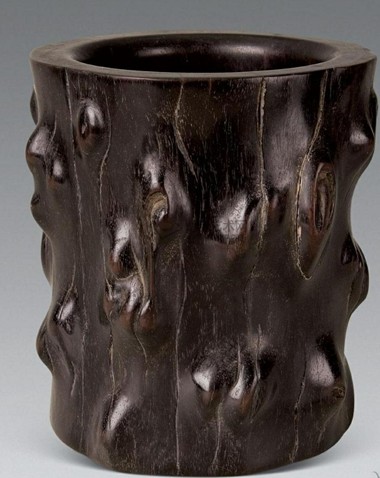
LATIN NAME: Pterocarpus santalinus
COMMON NAME: Red Sandalwood
Plant Profile
Red sandalwood is a slow-growing evergreen tree, 8-15 m in the ground, with pinnate leaves, yellow pea flowers and a dense crown. The heartwood is the reason the tree is famous: it is deep red, extremely hard and takes a mirror polish, and it has been traded for two thousand years.
The tree is grown in gardens as an ornamental and as a bonsai, where its small leaves and its tolerance of pruning make it a good subject. It is not frost hardy and needs a warm climate or a conservatory, which limits its use in temperate gardens.
Pterocarpus santalinus is endemic to the Eastern Ghats of southern India, and its natural range is small. It is listed on CITES Appendix II, which means international trade in the wood is controlled, and plantation material is the only legal source for most uses.
Science & Biotechnology
The red colour comes from santalin, a group of complex flavonoids that are unique to the genus and give the wood its dye properties. Santalin is used as a food colourant in some countries and as a dye for textiles, and it is one of the few natural reds that is stable in light.
A common misconception: red sandalwood is not root-hemiparasitic. That habit belongs to true sandalwood, Santalum album, which taps the roots of neighbouring plants. Pterocarpus is a normal legume that fixes nitrogen through root nodules and grows independently.
The tree is slow: a usable heartwood crop takes thirty years or more, which is why wild populations were depleted and why plantations are now the main source. Seed has a hard coat and germinates poorly without scarification, and viability falls quickly after collection.
Uses & Benefits
The wood is used for carvings, for religious objects, for knife handles and for the red dye. In India it is used in temple rituals and in traditional medicine, and the powder is used in cosmetics. The tree is also grown as an ornamental and as a shade tree in warm climates.
As a bonsai it is a specialist subject, grown for its fine foliage and its tolerance of training. Commercially the seed is sold to growers in tropical and subtropical climates, and the wood trade is controlled under CITES. In the garden the tree provides light shade and nitrogen fixation.
Growing from Seed
Soak the seed in warm water for 24 hours, then nick the coat with a file before sowing at 25-30°C. Germination is slow and irregular, four to eight weeks, and fresh seed gives the best results.
Plant out in full sun in well-drained soil, and protect from frost and from cold wind. Water through the first two years, then only in drought. The tree is slow to establish and resents root disturbance, so choose the site carefully. For bonsai, grow in a large pot and prune lightly in the first years to build a trunk before wiring.
Our Take
A tree for warm climates and patient growers, worth it for the wood and the history rather than for quick results.
Related Reading
Readers interested in Red Sandalwood frequently explore these as well: