


Celosia cristata Seeds | Cockscomb
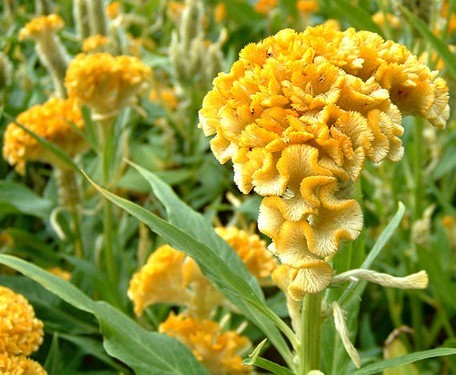
LATIN NAME: Celosia cristata
COMMON NAME: Cockscomb
Plant Profile
The bizarre comb shape of a cockscomb is not a normal flower cluster but a fasciated stem tip, a flattened, folded ridge where the inflorescence has grown wide instead of long. Along that wrinkled crest sit hundreds of tiny flowers, so what looks like one solid object is really a crowded spike folded back on itself.
This cristata form is one of three garden shapes in the genus. The same species line also gives the feathery plumosa type and the narrow spicata type, but only the cristata makes the velvety brain-like comb that gives cockscomb its name.
The Childsii form is valued for a neater, more compact comb on a shorter plant, which suits it to beds and pots rather than the tall background types. The colour range runs through coral-red, crimson, orange, and gold, and the comb keeps its hue long after cutting.
Each tiny flower has dry, papery tepals that barely wilt, which is why cockscomb works as both a fresh cut and a dried everlasting. The pigment sits in those persistent bracts and tepals, so the comb stays colourful through the whole warm season and well into storage.
The seed is easy to collect for the next season by simply letting a few combs dry on the plant and threshing them out, and it stays viable for a useful span if kept cool and dry. Saving your own seed also lets you keep a favourite colour year to year without buying fresh packets.
Knowing the three forms prevents confusion at the seed rack. The cristata is the comb, the plumosa is the feathered plume, and the spicata is the slender wheat-like spike; all share the same love of heat and the same long-lasting flower.
Science & Biotechnology
The red and magenta combs owe their colour to betalain pigments, especially amaranthin, a betacyanin shared with the close relatives in the amaranth family. This is a different chemistry from the anthocyanins that colour most garden flowers, and it is why celosia red looks distinctly “hot.”
The seeds carry a family of small proteins called celosins, which have drawn attention for their activity in laboratory assays. They are part of why the genus is studied beyond its ornamental value, though the garden grower meets them only as the abundant black seed inside a spent comb.
Uses & Benefits
The seed of Celosia is unusually rich for an ornamental, with an oil that leans heavily on linoleic acid and a protein level that has made the grain form a food crop in parts of West Africa. The comb that decorates a border is, botanically, a small oil-and-protein pantry.
Celosia is unusual in spanning three uses: an ornamental, a leaf vegetable, and a grain. In Nigeria the leaves of Celosia argentea are eaten as soko, while the seed of certain forms is threshed like a minor cereal, a versatility few garden flowers can claim.
In the kitchen the young leaves of the leafy form are cooked like spinach and valued for a mild, mineral taste, while the grain form is threshed and eaten in regions where the plant has been farmed for generations rather than merely admired.
For drying, the comb is cut at full colour and hung upside down in a warm, airy place. The papery structure loses little shape or hue, which is why cockscomb is a staple of dried bouquets and wreaths through the cold months.
Gardeners who want a specific look should read the seed packet carefully, because the three forms are often sold side by side and a plume type will never make the comb that the label picture might suggest.
Growing from Seed
The seed is dust-fine and best started in warm trays, pressed lightly into a fine medium and kept warm until the seedlings show. Celosia will not forgive a cold, wet seedbed, so the warmth matters more than the depth, which should be minimal.
Young plants go to the garden once they carry a solid set of leaves and the soil has warmed, because cold soil stalls them. At that stage they root quickly and start the long stretch of comb production without a check.
Cockscomb wants full sun and steady moisture in the heat, with a freedraining root zone so the crown does not sit wet. In a hot, bright border it flowers without pause, while in cool shade it grows leggy and colours poorly.
Our Take
I keep cockscomb for the dried comb, and Childsii is the tidy one I reach for in pots. Grow it beside Celosia argentea for the leafy form, and pair the hot border with zinnia, sunflower, and French marigold.
Related Reading
Continue exploring with these related plants: