


Alnus cordata Seeds | Italian Alder
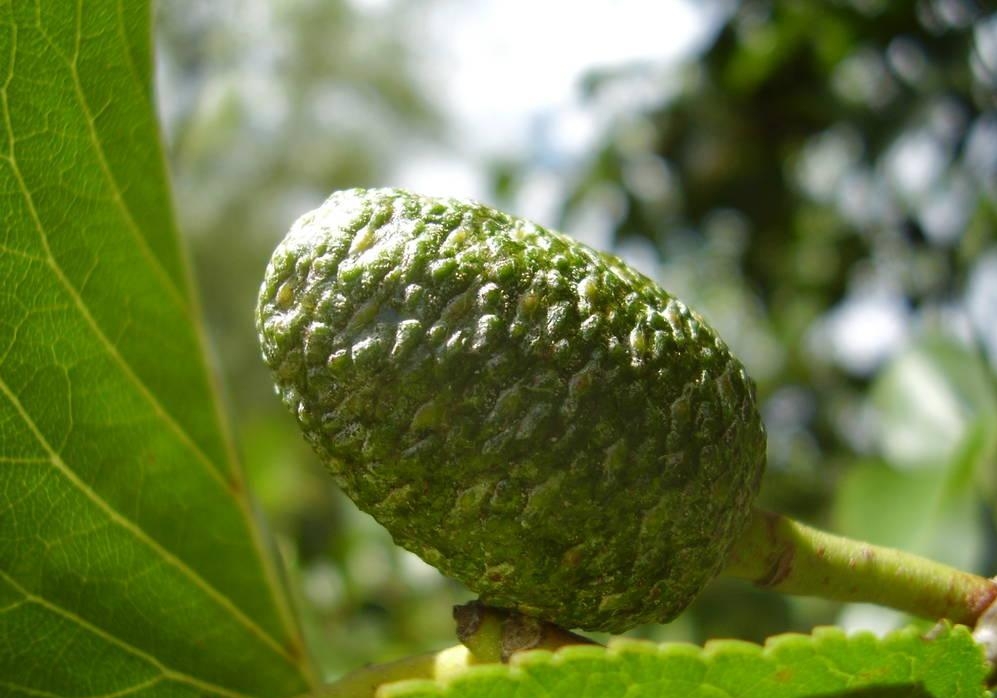
LATIN NAME: Alnus cordata
COMMON NAME: Italian Alder
Plant Profile
Alnus cordata, commonly known as Italian Alder, is a species with a long record in gardens. Its appeal to pollinating insects adds a second, ecological layer to its ornamental one. For the gardener, the sum of these traits is a plant that is easy to live with.
Science & Biotechnology
Research touching on Alnus cordata ranges from the botany of the Alnus group to practical horticulture, including seed handling, propagation and the selection of superior forms. Its unusual drought tolerance for an alder has also made it a subject of urban forestry research examining resilient street tree options for drier temperate climates. The practical point for growers is that this plant has been observed in gardens for so long that its behaviour holds few surprises.
Uses & Benefits
Gardeners value Italian Alder for its ornamental character, and the plant also fits naturally into herb, vegetable and cutting gardens. It is also planted for land reclamation on disturbed or nutrient-poor ground, where its nitrogen-fixing ability helps prepare soil for less hardy species. Once settled, it thrives on neglect more than on fussing.
Alders heal land: their root nodules fix nitrogen in poor and wet soils, their bark is a traditional astringent and dye, and their cones scent winter wetlands.
Growing from Seed
Italian Alder is one of those generous plants that come along well from seed. Fresh seed benefits from a period of cold, moist stratification before sowing into a loose, well-drained mix. Bright light suits young seedling well, and unlike many alders that demand consistently wet ground, this adaptable species tolerates a somewhat drier growing medium once established, reflecting its unusual drought tolerance within the genus. Level a tray of loose seed compost, sow evenly, cover to about the seed’s own depth, and keep it moist in full light. Prick the seedlings out once they are large enough to handle, grow them on in bright light, and plant out when conditions allow.
Our Take
The traditional uses covered above are what first made this species worth cultivating. Italian Alder has real presence in the garden without demanding much in return. Once the young plants are away, there is little left to do but watch them grow.
Related Reading
Readers interested in Italian Alder frequently explore these as well: