


Pyrenacantha klaineana Seeds | Klaine’s Firevine
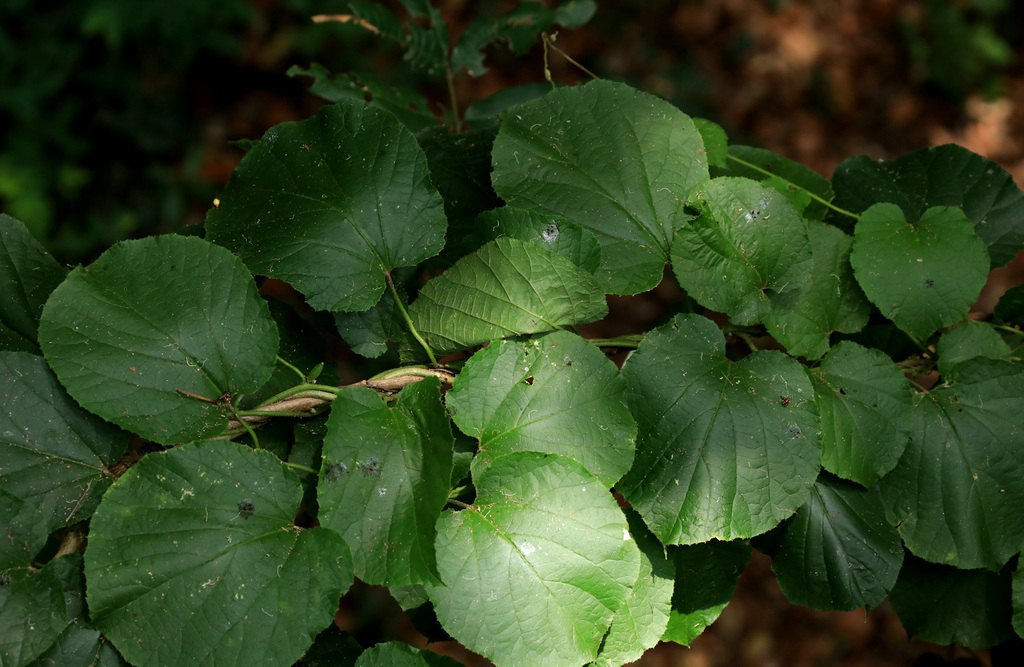
LATIN NAME: Pyrenacantha klaineana
COMMON NAME: Klaine’s Firevine
Plant Profile
Pyrenacantha klaineana is a liana of the lowland forests of West and Central Africa, recorded from Ivory Coast through Ghana, Cameroon, Gabon and Congo to Angola and the Cabinda enclave. It climbs into the canopy and it carries, below ground, a tuber that can reach the size of a man’s torso. The tuber sits shallowly, often just under the leaf litter.
The name was proposed by Jean Baptiste Louis Pierre, the director of the Saigon botanical garden and one of the great describers of Indochinese plants, and it was published after his death by Arthur Exell and Francisco Mendonça in their work on the flora of Angola. Pierre’s manuscripts were edited by colleagues who knew the African material.
The epithet honours Klaine, a French collector who sent large numbers of plants from Gabon and the Congo to Paris in the late nineteenth century. His material underpins a long list of central African species. Klaine’s own collections from Gabon numbered in the thousands.
The stems are slender and scrambling, the leaves alternate and entire, and the fruit is a spiny, one-seeded drupe that gives the genus its name. The fruit turns from green to dull orange before it falls. The leaves are glossy above and paler beneath.
Science & Biotechnology
The genus name combines the Greek for stone and thorn, and it refers to the hard, spiny stone inside the fruit. The spines are not decorative: they lodge the fruit in fur and feather, and they make the drupe unpleasant to handle without gloves. The spines are recurved and catch in cloth as readily as in fur.
The tuber is the plant’s real engineering achievement. It stores water and carbohydrate through the dry season, and it allows the liana to lose its top growth and regrow quickly when the rains return, a strategy shared with yams and with many savanna geophytes. Old tubers become woody and are no longer edible at all.
Some African Pyrenacantha species are known to contain alkaloids and to be toxic to stock, and the tubers of at least one species have been eaten as famine food after long processing. The chemistry of P. klaineana itself is poorly studied. Stock poisoning has been reported where the vines grow in pasture.
Uses & Benefits
The tuber is bitter and is not a routine food, though it has been eaten in times of shortage after grating, soaking and long cooking. The stems provide a fibre used for rough binding, and the plant is occasionally left standing as a living fence because of its spines. The leaves are applied as a poultice in several districts.
Local medicine uses the tuber and the leaves against intestinal parasites and skin infections, a use recorded in several regional surveys and never subjected to a controlled study of any kind. It is a plant of the forest edge rather than of deep shade.
In gardens the species is essentially unknown outside African botanical collections. It has no ornamental trade, no cultivar names and no place in the seed catalogues of the temperate world. The vine will not flower until the tuber has reached a good size. Other Icacinaceae on the list: Pyrenacantha volubilis, Miquelia dentata and Miquelia kleinii.
Growing from Seed
Sow fresh seed in a light mix at high humidity and warmth, and expect germination to be slow and irregular. The stone is hard, and a soak of twenty-four hours before sowing improves the odds without guaranteeing anything at all. Germination is best in the season that follows the first rains.
The seedling invests first in a swelling root rather than in stem, so the top may sit still for months while the tuber grows. Be patient, and do not water heavily in that period, because the tuber rots faster than any pest can damage it. Potting mix should be coarse and open, with plenty of grit.
In a pot the tuber should sit high in the mix with the crown just above the surface. Outdoors the plant needs a frost-free climate, dappled shade and a strong support, and it will die back to the tuber in dry seasons. Dry-season dormancy is the rule, and the top dies back to the ground.
Our Take
This is the kind of plant that makes tropical botany interesting: an obscure liana with a tuber the size of a suitcase, a spiny fruit and a name published posthumously by two botanists working on a different continent from the one who proposed it. It is a plant for a collection, not for a border.
It is also a reminder that a great many plants remain almost entirely unstudied, and that the gaps in our knowledge are not only in remote places. The gaps in our knowledge are not only in remote places. That is worth remembering when the next catalogue arrives.
Related Reading
Readers interested in Klaine’s Firevine frequently explore these as well: