


Asclepias tuberosa Seeds | Butterfly Weed
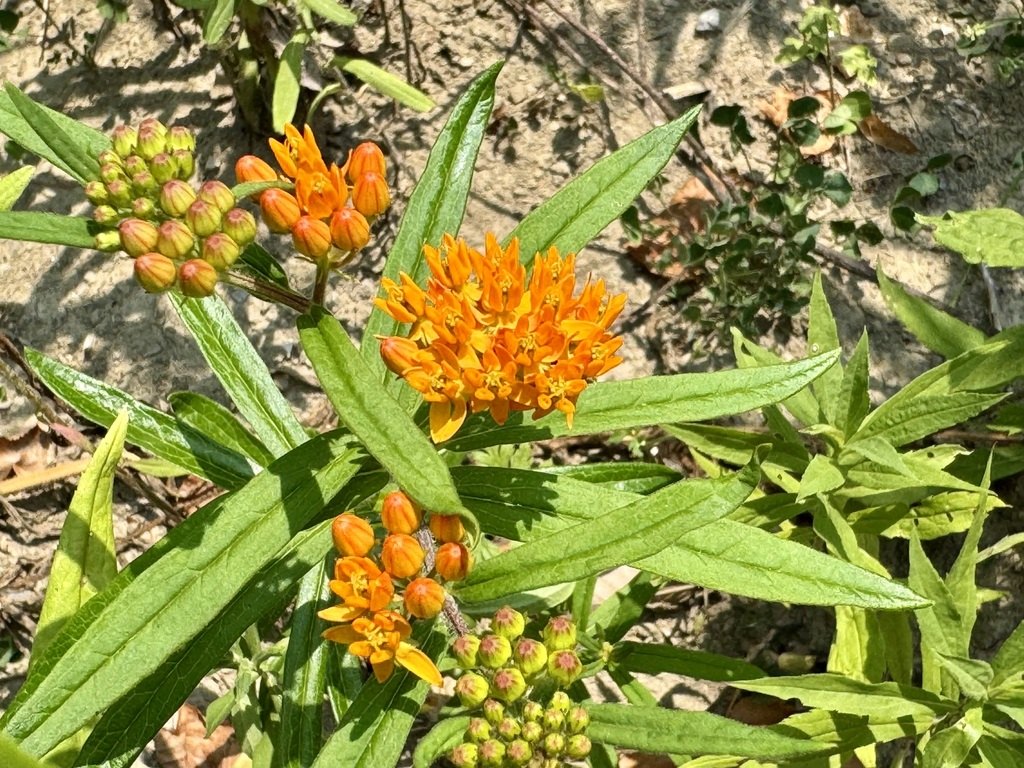
LATIN NAME: Asclepias tuberosa
COMMON NAME: Butterfly Weed
Plant Profile
Butterfly weed is a milkweed from eastern and south-western North America, and it is the one milkweed that does not bleed white. Break a stem and the sap is clear, and the stem itself is hairy, which separates it from the tropical milkweeds sold as annuals. It grows 0.3 to 1 m tall on stiff, upright stems.
The leaves are spirally arranged, lance-shaped, 3 to 12 cm long and 2 to 3 cm wide, and they are rough to the touch. From late spring the upper axils carry umbels 7.5 cm across of orange, yellow or red flowers, each about 1.5 cm wide with five petals and five sepals.
The pod is 7.5 to 15 cm long and full of seeds with long silky hairs, so the plant was once gathered for the fluff. The root is a deep woody taproot, and it is the reason the plant cannot be moved once it has settled. Seedlings take three years to flower.
Science & Biotechnology
The genus is named for its cardenolides, the heart-active compounds that make milkweeds poisonous and that monarch caterpillars store for their own defence. This species has among the lowest cardenolide content in the genus, which sounds like good news and is not: it makes the plant a poor bodyguard.
Monarchs prefer to lay on richer milkweeds, and caterpillars reared on butterfly weed grow but carry little protection from birds. That is a real cost to the insect, and it is the reason the plant is a host of last resort rather than a first choice, despite the common name and the nectar it offers.
The flowers are built like the balloon plant’s: pollen is bundled into pollinia that clip onto a visitor’s leg. The mechanism is efficient and occasionally fatal, since small insects can be trapped by a leg and die hanging from the flower. Bees and wasps are the main pollinators here, not butterflies.
Uses & Benefits
It is a plant for dry, sandy ground in full sun, and it ranks among the best nectar sources in a summer border. The orange is strong and clear, the umbels are flat and easy to land on, and the plant flowers for weeks in the hottest part of the season when much else has stopped. It is also one of the few strong oranges that does not clash with pink, because the colour is warm rather than red.
The common name pleurisy root records its use by several Native American nations as a treatment for chest complaints, and it was adopted into nineteenth-century American medicine. The root contains cardenolides and is toxic in quantity; the medical use is history, not advice.
The seed fluff was used for insulation and for life jackets during the Second World War, when kapok was cut off. That is a small piece of industrial history attached to a prairie perennial, and it explains why the plant was once collected rather than merely admired. Closest relatives on the list are Asclepias incarnata, Asclepias verticillata and Oxypetalum caeruleum.
Growing from Seed
Sow in autumn, outdoors, and let the winter do the work; the seed needs cold and the seedlings need a full season to build a root. Germination is slow and uneven, and a spring sowing without cold treatment may give nothing at all. Do not discard the tray in April.
Transplant only when the seedling is small. Once the taproot has thickened, the plant sulks, wilts and usually dies, and no amount of water will save it. Choose the site first, sow or plant there, and leave it alone for three years.
Full sun, sand or gravel, and no competition from grass. It emerges late in spring, which is a nuisance in a border: mark the spot, or you will plant something on top of it in April. The reward is a plant that flowers for a decade without any care, gets bigger each year, and asks for nothing except that you keep the grass off it in May.
Our Take
It is worth growing for the orange alone, and worth growing twice for the way it performs in drought. The talk about monarchs is mostly talk: this is not their first choice, and the plant is more valuable as a nectar station than as a nursery.
Buy plants in leaf if you can, and plant them in May rather than September. A taprooted perennial moved in autumn has no time to settle before the ground cools, and the losses are discouraging. Given a sandy bank, it will outlive the gardener, and the orange will be the brightest thing in the garden in the last week of July.
Related Reading
Gardeners who grow Butterfly Weed often pair it with these related subjects: