


Aquilegia canadensis Seeds | Canadian Columbine
LATIN NAME: Aquilegia canadensis
COMMON NAME: Canadian Columbine
Plant Profile
Canadian columbine grows in woodlands and on rocky ground across eastern North America, from the United States into southern Canada, and it ranks among the most widely distributed columbines on the continent. It is a herbaceous perennial, 15 to 90 cm tall in the wild and occasionally a metre, with stems and leaves rising from a substantial caudex, a vertically oriented underground stem that persists through winter and fire.
The leaves are two times ternately compound, divided into three parts and then three again, for nine leaflets in total. Basal leaves reach 7 to 30 cm including the petiole, usually 10 to 20 cm, and the leaflets are broadly ovate to almost round with wavy teeth or lobes. Leaflets on the flowering stems are smaller than the basal ones, and the stems themselves are hollow and usually hairless.
The flowers are red and yellow, nodding on slender stems, with five petals drawn out behind into hollow spurs that hold nectar. Those spurs are the defining feature of the genus, and their length is matched to the tongue length of whatever pollinates the species.
Science & Biotechnology
Each species of columbine has spurs of a particular length, and the match between spur and pollinator is one of the clearest examples of coevolution in temperate plants. In A. canadensis the spurs are short enough for bumblebees and long-tongued bees, and hummingbirds also work the flowers in North America, which is unusual for a plant this far north. The anthers shed pollen before the stigma of the same flower becomes receptive, which enforces cross-pollination, and the nectar is dilute but produced in quantity.
The genus hybridises freely, and A. canadensis is no exception. In a garden with several columbines flowering at once, seed collected from this species will often produce plants showing characters of its neighbours. That is fine if you want variety and a problem if you want the species, and it is the reason serious growers isolate stock plants.
The caudex is the reason the plant is long-lived. It stores reserves below the soil surface, survives drought and fire, and produces new stems each spring. Plants in cultivation can persist for decades if the crown is not buried or waterlogged, which is more than most short-lived herbaceous perennials manage. Alongside it in Ranunculaceae: Aquilegia viridiflora, Aquilegia flabellata and Adonis amurensis.
Uses & Benefits
It is a woodland plant first, and it belongs in shade or part shade under deciduous trees, in soil that holds some moisture but drains. The red-and-yellow flowers are the brightest thing in that setting in late spring, and they open at the same moment as the native woodland ephemerals.
For pollinators it is genuinely valuable early in the season, when bumblebee queens are founding colonies and nectar is scarce. Hummingbirds use it in eastern North America as they move north in spring, and the plant is often recommended in hummingbird gardens for exactly that reason.
The seed heads are worth leaving. Through summer they ripen into clusters of dry follicles that split at the top, and the black seed inside is easy to collect and sow. The dried stems also hold up in winter, which is more than many perennials offer.
Growing from Seed
Sow in autumn or early winter and leave the tray outdoors, because the seed needs cold and light to germinate well. Surface-sow and press in, do not cover, and expect germination the following spring, spread over several weeks. Fresh seed sown in spring without cold will germinate, but unevenly and at a lower rate.
Prick out as soon as the seedlings can be handled, because columbine seedlings have a taproot-like habit early and resent being moved once established. Grow them on cool and bright, and plant out in autumn or early spring, 25 to 30 cm apart.
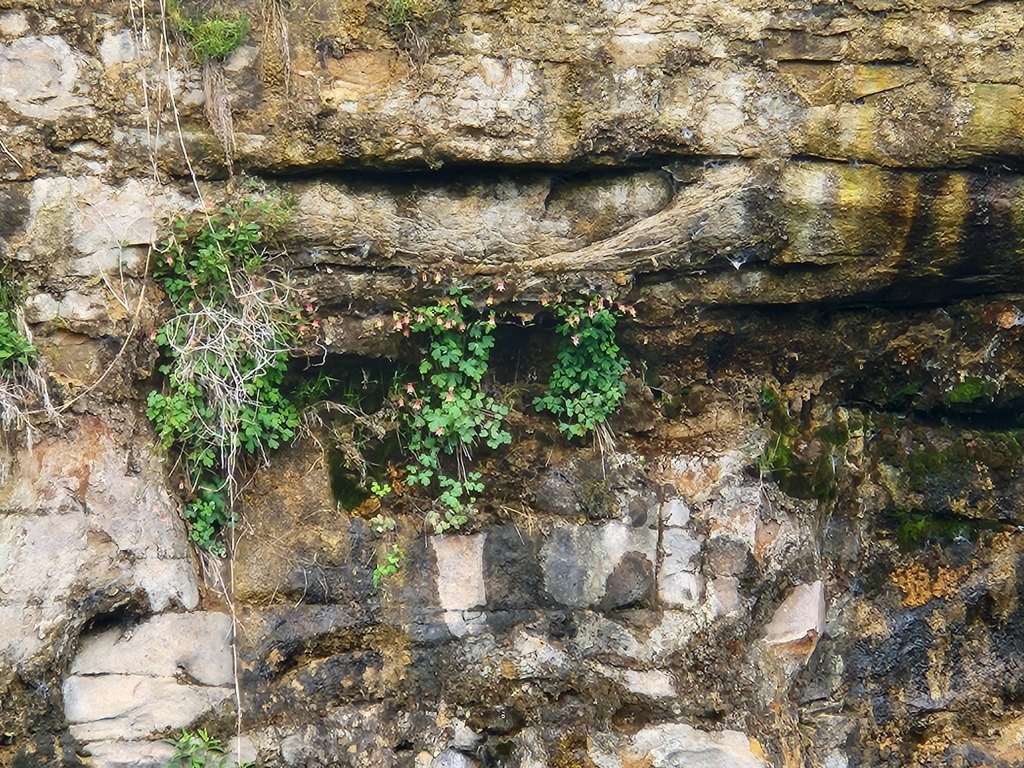
The plants flower in their second year from an autumn sowing, and they are short-lived in hot climates, usually lasting three or four seasons. Let them self-sow, which they do freely, In the wild it seeds into mossy crevices and rotting logs, which is the clue to what it wants in a garden. and the colony renews itself without any help. Cut back the old stems in early spring, not autumn, since the hollow stems are used by overwintering insects.
Our Take
This is the columbine to start with if you have never grown one, and it is the one I would plant under a deciduous tree where little else flowers in May. It is easy from seed, it comes back, and it feeds the first bumblebees of the year. The only thing to accept is that it will cross with any other columbine within bee range, so do not expect the seed to breed true.
Related Reading
Readers interested in Canadian Columbine frequently explore these as well: