


Clematis intricata Seeds | Entangled Clematis
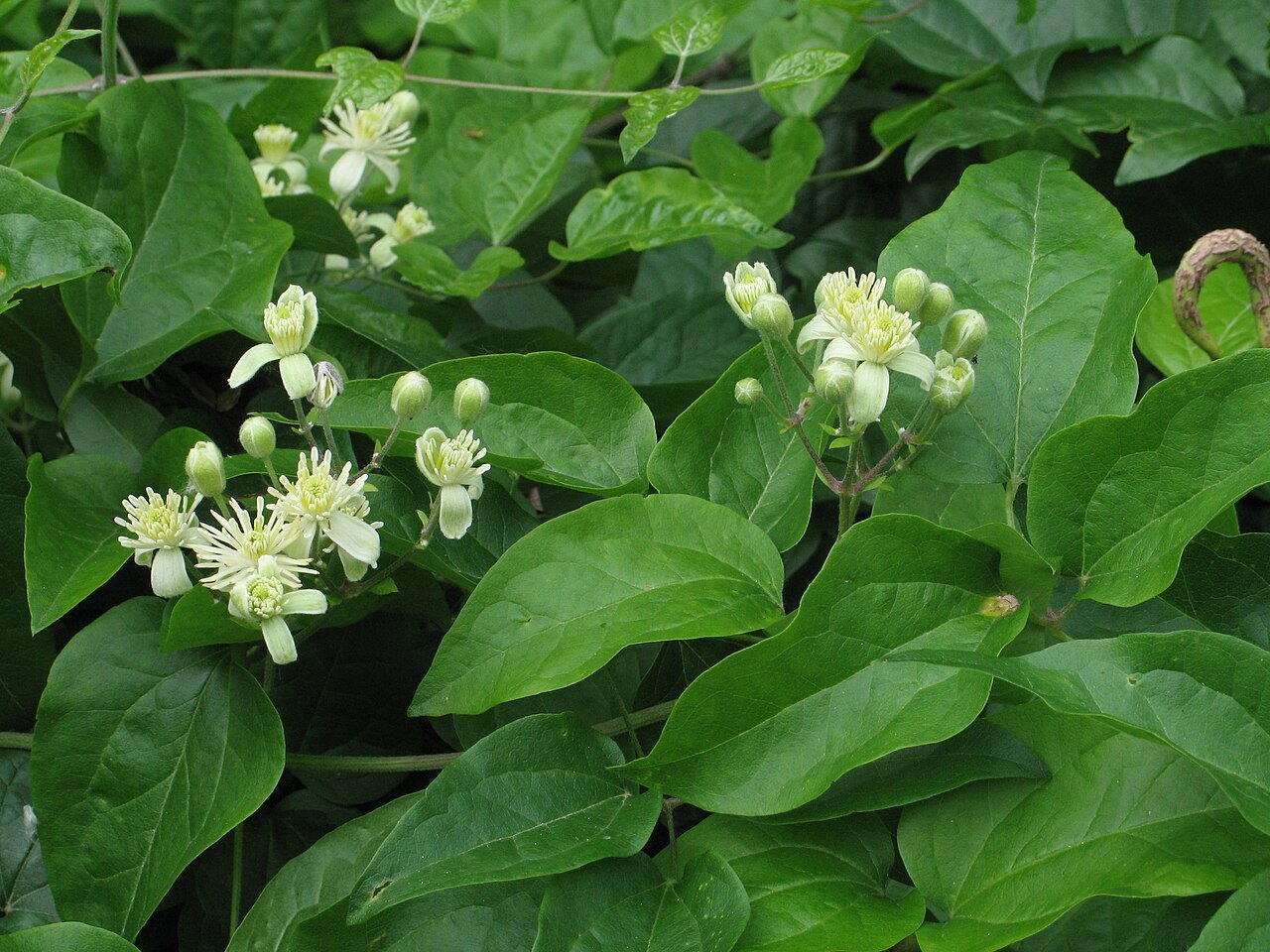
LATIN NAME: Clematis intricata
COMMON NAME: Entangled Clematis
Plant Profile
Clematis intricata is the yellow clematis of the northern steppes, described by Alexander von Bunge in 1831 from Chinese material and named for the way its stems tangle through everything in reach. In late summer it produces nodding yellow bells that no other common clematis of the region can match.
The plant is herbaceous to the base, with annual stems one to two metres long that scramble over rocks and shrubs rather than twining neatly. Leaves are pinnate with three to five entire or lobed leaflets, grey-green and slightly fleshy, and the flowers open singly or in small cymes from August into September.
Its range is the dry heart of Asia: the Altai and western Siberia, Uzbekistan, Kyrgyzstan and Tajikistan, Afghanistan, Mongolia, and the northern Chinese provinces from Gansu, Qinghai and Shaanxi through Shanxi, Hebei and Inner Mongolia to Liaoning, on stony slopes and in thickets.
Each flower is two to four centimetres across, four thick yellow sepals opening wide, with a boss of stamens in the centre. What follows is the family’s signature: a cluster of achenes, each with a plumose style that lengthens into a silky plume, so the vine ends the season in a cloud of silver hair. The Ranunculaceae thread continues with Clematis tangutica, Clematis chinensis and Aquilegia flabellata.
Science & Biotechnology
Clematis flowers offer no nectar. The reward is pollen, presented on a crowd of stamens, and the nodding posture of this species shelters that pollen from rain and dew. Bees working the flowers hang upside down beneath the sepals, collecting pollen and transferring it between the nodding bells as they go.
The fresh plant is acrid, as the family generally is. Ranunculaceous tissue carries protoanemonin, an irritant lactone that breaks down on drying and heating, so the same foliage that blisters skin fresh becomes harmless in dried hay, and why the dried stems of several clematis species have medicinal careers that the fresh plants could never have.
The yellow-flowered clematis of Asia form a natural group within the genus, and this species sits among them with the better-known golden clematis of western China and the oriental clematis of the Near East. Garden hybrids between members of the group are the source of most yellow clematis in cultivation.
Uses & Benefits
In northern Chinese folk practice the dried stems are gathered as one of the plants sold under the name tougucao, the bone-penetrating herb, used in washes and poultices for aching joints and rheumatism. The preparation is external, and the fresh vine, acrid and blistering, is never used that way.
In the garden the plant is a scrambler rather than a climber, and should be sited accordingly: through a low shrub, over a stone wall, or sprawling across a dry bank where its tangle is an asset. The late-summer yellow is scarce in the clematis calendar and the silky seedheads extend the performance into winter.
Hardiness is its quiet virtue. The species comes from continental steppe with savage winter cold and dry summer heat, and it takes both without protection. Once established it needs no watering, no staking and no spraying, and it tolerates the poor, stony ground that defeats most climbing plants.
Growing from Seed
Clematis seed germinates on its own schedule. Sow in autumn in a cold frame, or stratify for two to three months, and expect germination to straggle over weeks and months rather than arrive at once, with the freshest seed performing best and stored seed losing vigour quickly.
Seedlings begin as small rosettes and build slowly. Grow them in pots for a full season, plant out in spring at the foot of whatever they are to scramble over, and expect the first flowers in the second or third year once the crown is established and the roots have reached cool depth.
Cut the plant back low in early spring, since the flowers come on new growth produced in the same season. A hard annual cut keeps the tangle within bounds, encourages fresh stems from the crown, and produces more of the nodding yellow bells than an unpruned plant left to climb into the shrubs.
Our Take
Yellow is rare in this genus and late summer is a thin season in most gardens, so a clematis that supplies both from the dry steppe deserves more attention than it gets in the trade. It also asks for less water than almost any climber. It deserves a wall of its own, and it asks for almost nothing in return.
Sow in autumn or stratify over winter, plant it where it can scramble rather than climb, and cut it hard each spring. The reward is August yellow, then a winter of silver plumes on a plant that never needed staking.
Related Reading
Readers interested in Entangled Clematis frequently explore these as well: