


Eustoma grandiflorum Seeds | Lisianthus
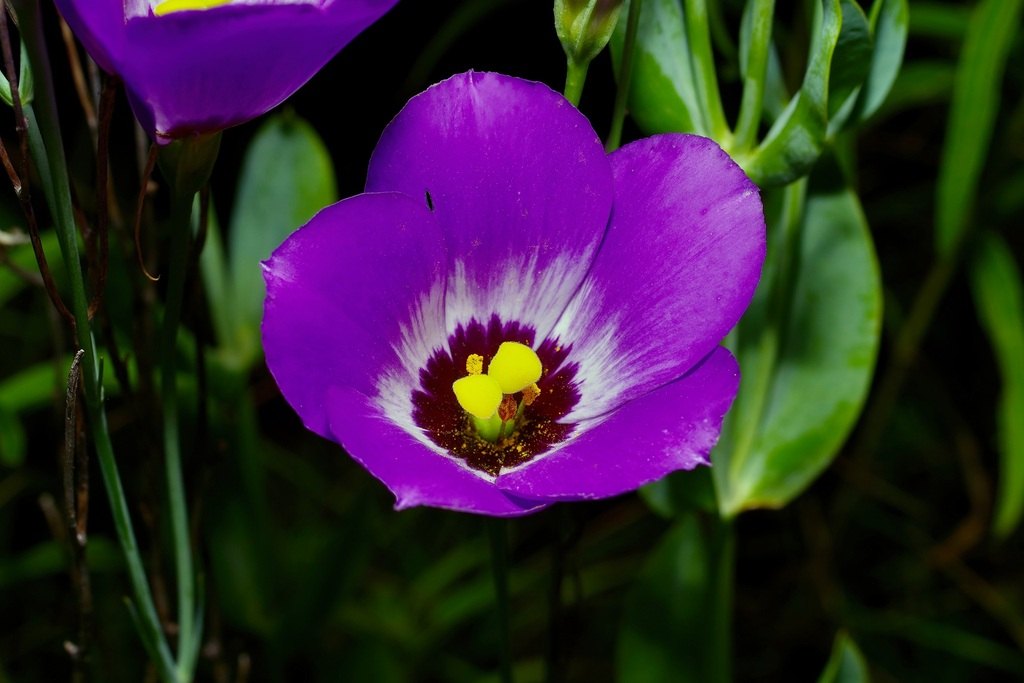
LATIN NAME: Eustoma grandiflorum
COMMON NAME: Lisianthus
Plant Profile
Prairie gentian, the Texas bluebell, is the wildling behind lisianthus, one of the great cut flowers of the modern trade. In the field it stands upright with blue-green, waxy leaves and carries its bell-shaped flowers singly, in blue, pink or white, each bloom held clear of the foliage as if arranged for inspection.
Its life history is negotiable. Depending on conditions the same species presents as an annual, a biennial or a short-lived perennial, forming a rosette one year and flowering the next. That flexibility serves the plant on the Great Plains and frustrates gardeners who expect one fixed timetable from a seed packet.
The native range is the heart of North America: the Great Plains from Wyoming southeast to Nebraska and south through Texas into Mexico. It favours moist, sandy soils and gathers near streams, creek beds, wet meadows and springs, an unexpected address for a flower whose trade image is glasshouse glamour.
There is a melancholy line in its story: popularity and picking. Because the wild plants were gathered so heavily for their beauty, the species has largely been unable to reseed itself naturally across its native distribution. The flower that conquered the world’s markets now depends on gardens and fences for its continued presence at home.
Science & Biotechnology
The nomenclature has shifted more than once: Eustoma grandiflorum, the name most seed catalogues still use, is a former binomial of the species now called Eustoma russellianum. The genus is small, the taxonomy has been argued for two centuries, and the horticultural trade has simply kept the label it liked best.
Japan is the engine of its modern form. Prairie gentian has been cultivated there for more than seventy years, and Japanese breeders developed the doubles, the layered rosette forms and the colour range from white through cream, pink, lilac and deep violet that fill florists’ buckets today. Cultivars such as ‘Bolero Deep Blue’ descend directly from that programme.
The crop’s weak points are documented: a susceptibility to viral and viroid diseases, and growth requirements that are narrow rather than difficult. The plants demand consistently moist conditions and persist for a short span, so the trade grows it under protection and why wildflower gardeners rarely attempt it twice. Close allies on the list: Swertia bimaculata, Cynanchum paniculatum and Cynanchum chinense.
Uses & Benefits
As a cut flower the species stands at the top of the market: stems that last well in water, petals with the texture of fine paper, and a flower that opens progressively up the stem for a week or more. The ruffled doubles made it a wedding staple on every continent.
In the garden it is honest about its demands: high moisture requirements, a short lifespan, and a dislike of root disturbance make it a plant for a prepared bed rather than a casual corner. Native-plant gardeners in its range often try it once, admire it, and choose something less temperamental for the second season.
For pollinators the wild form is a genuine prairie resource, visited by native bees that work the open bells in the warm months. Garden hybrids, heavily doubled and selected for the vase, offer much less to insects than the single-flowered wild type, a trade the flower industry made without consulting the bees.
Growing from Seed
Seed is dust-fine and slow: sow on the surface of a moist, fine mix in late winter, keep the temperature even and the light bright, and cover the tray with glass or film until germination, which can take two to three weeks. The seedlings then grow at a pace that tests the sower’s patience.
The rosette stage is long, often two to three months before any urgency shows, and the roots sulk at the slightest check. Sow in individual cells or peat pots, never bare-root the seedlings, and move them to their flowering position once the weather and the soil have warmed for good.
In the ground give moist, sandy, humus-rich soil, full sun in cooler climates and light afternoon shade where summers bite, and water steadily to the end of flowering. Support is wise for the taller doubles. The plant will not survive a wet cold winter, so most gardeners simply sow afresh each year.
Our Take
Prairie gentian is a flower with a split biography: a picked-over wildling of Texan springs and a laboratory-perfect crop of the world’s florists. Sowing it from seed closes the loop between the two, and the long rosette months are the price of admission.
Grow the single-flowered strains if you want a plant the local bees can actually use, keep the moisture constant, and forgive the short career. Few annuals offer bells of this quality, and the species’ troubles at home are an argument for growing it beautifully wherever you garden.
Related Reading
Readers interested in Lisianthus frequently explore these as well: