


Celosia cristata Seeds | Cockscomb
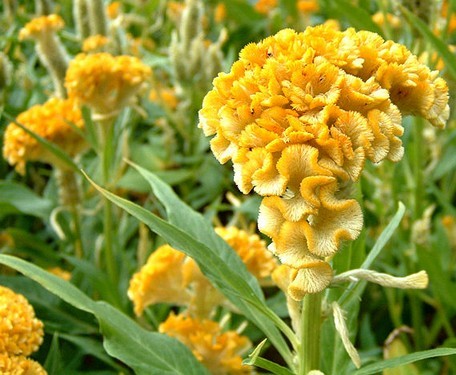
LATIN NAME: Celosia cristata
COMMON NAME: Cockscomb
Plant Profile
Cockscomb (Celosia cristata) is a showy annual of the amaranth family (Amaranthaceae), derived from species native to tropical Asia. It grows 20-90 cm tall depending on strain, crowned by dense, velvety, crested flower heads in brilliant reds, oranges, yellows and pinks that keep their colour for weeks. The brain-like combs dry exceptionally well, and in parts of Africa and Asia the young leaves are also eaten as a vegetable.
Science & Biotechnology
Like other members of the Celosia group, Celosia cristata draws steady attention from botanists and plant breeders, who value the genus both as a subject of research and as a source of garden-worthy material. Cockscomb is interesting for research into floral morphology, pigment accumulation, inflorescence development and ornamental plant breeding. A long cultivation history means growers know what to expect from it.
Uses & Benefits
Cockscomb brings genuine presence to the garden and earns its keep across the growing season. It is widely used in ornamental beds, containers, cut-flower production and dried-flower arrangements. Its unusual inflorescences also make it useful in botanical teaching and horticultural collections. Getting it going is easy; keeping it going is easier still.
Cockscomb seeds, Qing Xiang Zi, are a classical Chinese herb for eye complaints, and in Africa the young leaves are an important cooked green rich in iron and vitamin A.
Growing from Seed
Raising Cockscomb from seed is straightforward. Sow fine seed on surface of a warm, well-drained seed medium and press it lightly into place. Keep moisture consistent and provide strong light. Level a tray of loose seed compost, sow evenly, cover to about the seed’s own depth, and keep it moist in full light. Once the seedlings have made true leaves, pot them on individually and plant out when they are sturdy and conditions are right.
Our Take
Cockscomb repays a little patience at sowing time with plenty of garden presence later.
Related Reading
Continue exploring with these related plants: