


Adonis dentata Seeds | Pheasant’s Eye
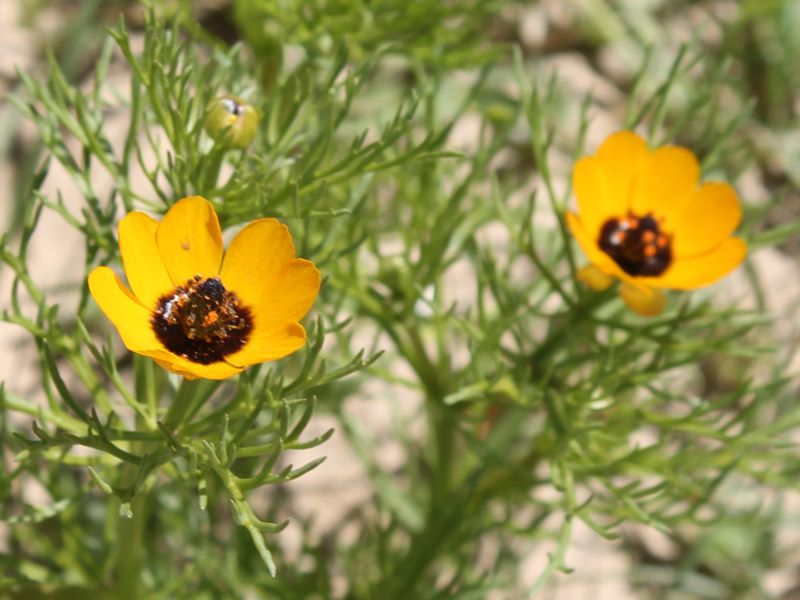
LATIN NAME: Adonis dentata
COMMON NAME: Pheasant’s Eye, Adonis
Plant Profile
Pheasant’s Eye (Adonis dentata) grows as an upright, annual in the buttercup family (Ranunculaceae), native to cornfields and dry, sunny slopes of the Mediterranean and the western Asia, while it has been cultivated in gardens for its flowers. Add these qualities together and you have a species well worth a place in the garden.
Science & Biotechnology
Within the buttercup family, Adonis dentata is of continuing interest to researchers working on plant diversity, seed biology and the selection of improved garden forms. The pheasant’s eye has a real and distinguished place in research. A long cultivation history means growers know what to expect from it.
Uses & Benefits
Gardeners value Pheasant’s Eye for its ornamental character, and the plant also fits naturally into herb, vegetable and cutting gardens. The pheasant’s eye is an upright, annual wildflower of meadows and cornfields, bearing delicate, feathery leaves and bright-red, buttercup-like flowers with black centres in the summer. Its flowers feed bees and pollinating insects, and its bright-red, striking flowers give a fine presence in meadow and sunny garden, while its annual nature means that it is often resown each year in the garden. To raise the pheasant’s eye, sow seeds on surface of pots of moist, open soil in a sunny, bright place, keep them gently watered, and grow little plants on in the sun. A plant that has settled in will get along with only routine care.
Pheasant’s eye contains cardiac glycosides related to those of foxglove, and it was used in small, carefully controlled doses in early European heart medicine. It is firmly a plant for the border rather than the home apothecary, since the therapeutic margin is narrow.
Growing from Seed
Seed is the natural starting point for Pheasant’s Eye, and the process is uncomplicated. Surface-sow onto a light, well-drained compost, dust over a thin covering, and keep evenly moist and sunny until the seedlings show. Once the seedlings have made true leaves, pot them on individually and plant out when they are sturdy and conditions are right.
Our Take
As an upright, annual, it settles into a routine quickly once established. Once established, Pheasant’s Eye, Adonis largely looks after itself. Sun, free drainage and a patient first year are all it really requires.
Related Reading
More species in the same orbit as Pheasant’s Eye: