


Quercus vulcanica seed
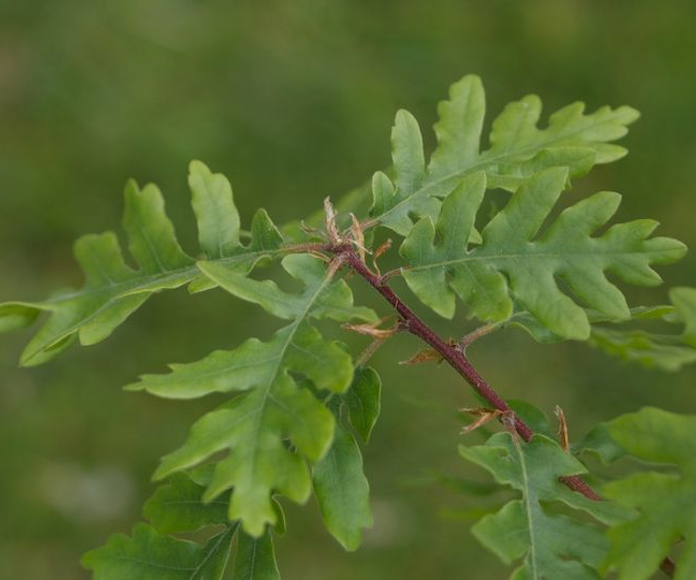
LATIN NAME: QUERCUS VULCANICA
COMMON NAME: Vulcan Oak
The vulcan oak tapestries the tall, deciduous tree with the broad, deeply lobed, dark-green leaves that turn the gold and the yellow through the autumn, the leaves tapestring the bold crown, the small, green catkins opening through the spring, the large, round, brown acorns following. The tree grows steadily into the broad, rounded crown, and it stands the cold well. It likes the sun, and the deep, well-drained soil.
Scientific Research & Plant Biotechnology
The broad, lobed foliage of the vulcan oak gives it a recognised place in the research on the cold-hardy highland oaks of the great oak group, and the vulcanica species appears in the studies of the high-altitude growth and the autumn pigments. The work looks at the way the bold crown golds the autumn, the hard timber, and the seed biology. The foresters value the wood, and the growers of the cold-climate shade and avenue trees keep the species in their catalogues.
Ecological & Economic Value & Wide Applications
In the cool, open ground, the vulcan oak tapestries the autumn garden with the gold leaves. The gold display lights the garden, the acorns feed the birds and the small mammals, and the timber serves the building and the fuel. It thrives in the deep, well-drained, sunny ground. Gold-tapestried, lobed and cold-hardy.
To grow the Vulcan Oak from seed, sow the acorns into the deep, sandy drills of the nursery bed in the autumn.
Sow the acorns into the deep, sandy drills of the nursery bed, and give the young trees the open, sunny spot. The tapestry leaves come within a few seasons. , then cover them well, keep the drills gently watered, and the young trees spring up over the spring. The tapestry leaves will gold within a few seasons.
\n\n\n
Quercus vulcanica is a species of oak endemic to the Anatolian region of Turkey, particularly noted for its role in local biodiversity. This oak species thrives in mountainous, volcanic terrains, which is reflected in its name. It has been a subject of research due to its ecological significance, particularly in understanding how such species adapt to environmental changes.
\n\n\n\nDescription and Habitat
\n\n\n\nQuercus vulcanica is typically found in regions with volcanic soils, where it plays an important role in the local ecosystem. These oaks contribute to soil stability and water regulation, as their root systems are particularly effective in preventing erosion. The species is most commonly found in central Anatolia, Turkey, where it is adapted to the specific environmental conditions that prevail in volcanic zones.
\n\n\n\nUses and Ecological Importance
\n\n\n\nAlthough not widely cultivated outside its native range, Quercus vulcanica has a valuable ecological role. Its deep root system helps maintain soil integrity in mountainous regions prone to erosion. The acorns of this oak, like many other species of Quercus, are an important food source for various wildlife, including birds and small mammals.
\n\n\n\nThe wood of Quercus vulcanica, though not as extensively studied as that of other oak species, likely holds value in local forestry, possibly used for construction or firewood, given the general hardiness and durability of oak wood.
\n\n\n\nConservation Status
\n\n\n\nDue to its limited geographical range, Quercus vulcanica is considered vulnerable. Environmental threats, such as land-use changes and climate fluctuations, pose significant risks to its populations. Conservation efforts, including studies on the species’ genetic diversity and future distribution, are ongoing. These efforts aim to protect this oak species from extinction by understanding how it responds to environmental changes and by implementing more effective conservation strategies.
\n