


Iris albicans Seeds | White Iris
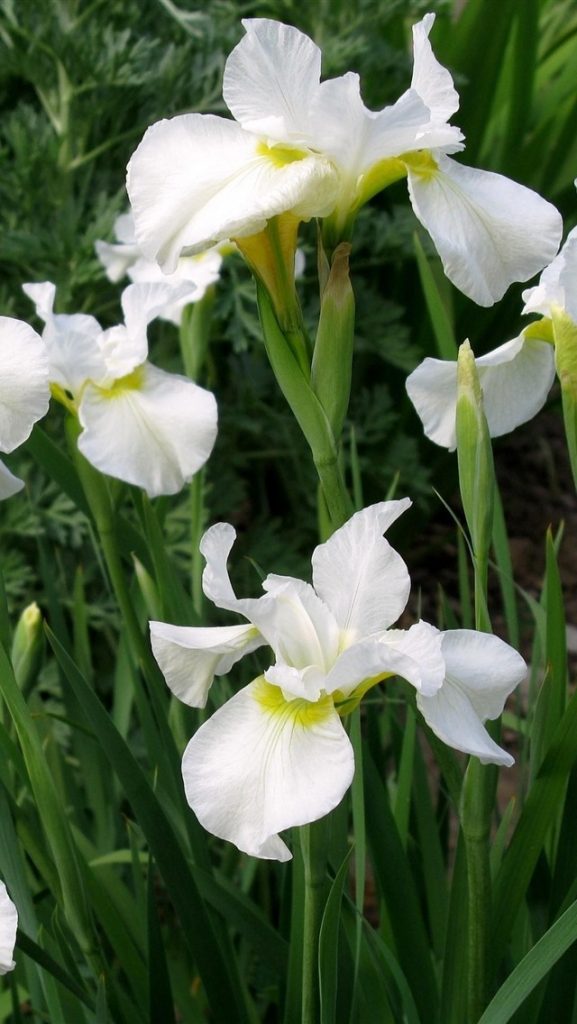
LATIN NAME: Iris albicans
COMMON NAME: White Iris
Plant Profile
White Iris (Iris albicans) is a low, tufted, perennial in the iris family (Iridaceae), native to warm places of the Mediterranean and the middle east, while it is treasured for its fine, white, fragrant flowers. White irises have lined paths and gravesides of old world for centuries, and this one is among the best known of them. It is a plant of settled places, happy along walls, paths and dry banks, and its white flowers have been a familiar sight around old settlements for a very long time. The flowers pull in pollinating insects, which quietly widens its usefulness in the garden. Not many plants ask so little and repay so much.
Science & Biotechnology
Like other members of the iris family, Iris albicans draws steady attention from botanists and plant breeders, who value the genus both as a subject of research and as a source of garden-worthy material. A good deal of interest in this iris has come from its long and telling history. Continuing work by breeders and collectors keeps good seed of this species moving through the trade.
Uses & Benefits
White Iris works well in borders, containers and dedicated beds. For dry garden and border, white iris is a steadfast bloomer. Its long history as a garden flower of old world has made it a treasured plant of dry border and cemetery garden, and its fragrant, white flowers are a joy of late spring. Grey-green, sword-shaped leaves hold their form through season, and white flowers stand up bravely to heat of dry garden. Routine care after establishment is refreshingly light.
Iris rhizomes, the orris of perfumery, yield one of the most luxurious fragrance materials after years of curing; the genus has toxic fresh rhizomes, so its medicinal history is strictly professional and its garden value immense.
Growing from Seed
White Iris grows readily from seed. Use a loose, well-drained seed compost, sow evenly over the surface and cover lightly, and keep everything evenly moist in bright light. Transplant the sturdiest seedlings to their permanent spots and let them develop without disturbance.
Our Take
White Iris earns its space through character rather than fuss. Young plants want steady water; older plants take conditions as they come.
Related Reading
Gardeners who grow White Iris often pair it with these related subjects: