


Monarda didyma Seeds | Bergamot
LATIN NAME: Monarda didyma
COMMON NAME: Bergamot, Bee Balm, Oswego Tea
Plant Profile
Like all mints, bee balm has square stems, and in this species they are also hollow and reach a metre or more in a good season. The plant forms an upright clump from shallow rhizomes and bears opposite, oval, toothed, bright green leaves that smell of bergamot when bruised. The clump spreads steadily and benefits from division before it becomes congested in the centre.
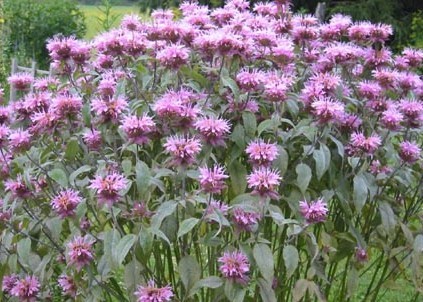
The flowers sit in ragged, shaggy-headed clusters at the top of the stem, each a whorl of tubular, two-lipped scarlet corollas with a fringed, ruffled look. Red is the colour hummingbirds home in on, and the long tube matches their beak, so a planting of bee balm is one of the surest ways to draw hummingbirds into a garden. Bees and butterflies visit the later, paler forms too.
For the home grower the usual preparation is an infusion of the fresh or dried leaf, a tisane that carries the bergamot note without the caffeine of black tea. On a larger scale the flowering tops can be steam distilled, though the yield is modest and the product is valued more for scent than for volume in the trade.
Bee balm belongs at the back of a mixed border and in a prairie or woodland-edge planting where its height and colour carry the mid to late summer. It prefers moisture and a little shade in hot climates, unlike the dry-loving herbs of the Mediterranean, and it rewards a rich, retentive soil with taller, freer flowering clumps.
Science & Biotechnology
The volatile oil of bee balm has been studied for its antimicrobial activity, with geraniol and thymol among the main components. These compounds give the leaf its clean, antiseptic edge and its traditional use as a wash and a soothing tisane. The oil is not produced at the scale of true mints, but the chemistry is well documented and of real interest to breeders.
Uses & Benefits
Bergamot, or bee balm, is a perennial of the mint family native to the eastern woodlands and stream banks of North America. The name bergamot comes from the scent of the leaf, which reminded settlers of the bergamot orange used to flavour Earl Grey tea, though the plants are unrelated. The plant was already valued by Indigenous peoples as a medicine and a drink long before the colonial boycott made it famous.
The aromatic interest of the plant lives in the leaf, not the flower. Crushed foliage releases a complex mint-citrus note built on geraniol, limonene, and a little thymol, which is why the leaves flavor tea, salads, and potpourri. The scent is lighter and fruitier than that of the wilder Monarda fistulosa, which explains why this species became the one grown for the table.
Growing from Seed
Sow the fine seed across the top of moist compost in spring once the soil has warmed, and keep it bright and lightly covered with grit. The seed starts slowly, so many gardeners skip straight to young plants or to division of a friend’s clump. Either way, do not bury the seed, because light helps it along.
Move seedlings or rooted divisions to the garden when they stand about ten centimetres tall, spacing them thirty to forty centimetres apart to allow for the spread of the clump. Water well through the first season so the shallow roots settle, then thin the stand every few years to keep the air moving and the powdery mildew at bay.
Lift and split the clump in early spring, replanting the vigorous outer pieces and composting the tired centre. Division keeps the plant young and floriferous and is the most reliable way to increase a named colour. A mulch of compost around the crown each spring supports the heavy summer growth.
Our Take
Bee balm is the hummingbird magnet of the summer border. Pair it with wild bergamot to compare the two Monarda species, and set anise hyssop and lemon balm nearby for a long bee season.
Related Reading
If Bergamot appeals to you, these related plants are worth a look: