


Ulex europaeus Seeds | Gorse
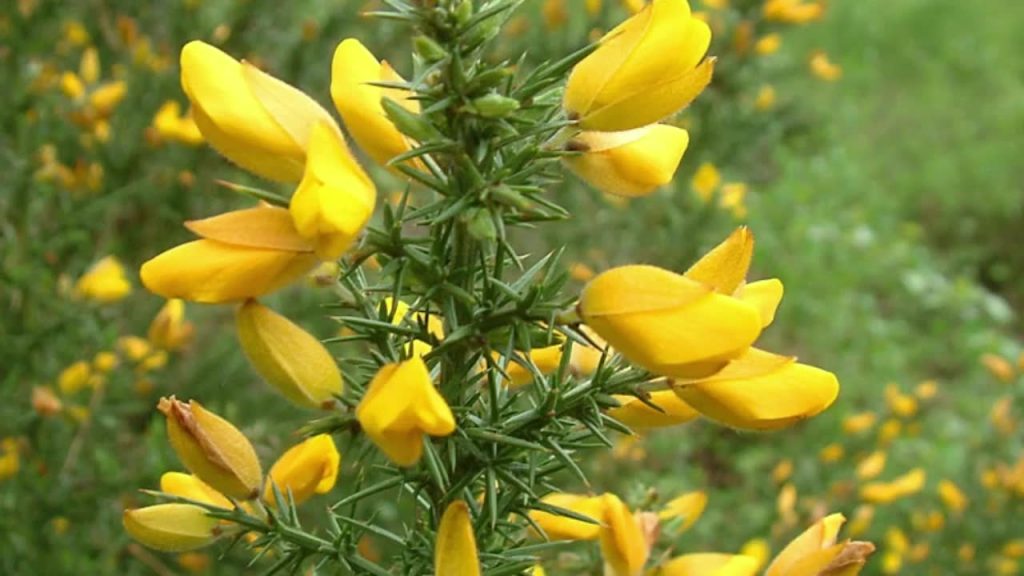
LATIN NAME: Ulex europaeus
COMMON NAME: Gorse
Plant Profile
Gorse is a spiny evergreen shrub of the Atlantic edge of Europe, growing one to two metres into dense, impenetrable thickets on heaths, sea cliffs and rough ground. Its branches are green and deeply grooved, and the leaves are reduced to small spines, so the whole plant photosynthesises through its stems. From late winter, and again in early summer, it covers itself in bright yellow pea flowers that smell of coconut and vanilla, and these are followed by small, hairy pods that burst open explosively, throwing seed several metres. The plant fixes nitrogen, tolerates salt and drought, and burns fiercely, regenerating from seed and from the root crown. It is one of the most invasive shrubs in the world outside its native range.
Science & Biotechnology
Ulex europaeus is a classic case study in invasion biology. Introduced to New Zealand, Australia, Chile, Hawaii and the Pacific Northwest as a hedge and fodder plant, it has become a major weed of pasture and forestry, costing millions annually in control. Its success rests on several traits: heavy seed production, a seed bank that remains viable for thirty years or more, explosive pod dehiscence, nitrogen fixation that alters soil chemistry, and unpalatability to most grazers. The seed coat is impermeable and germination is triggered by heat, which is why fire makes the problem worse. Biological control has had partial success with the gorse seed weevil and the gorse spider mite, neither of which is a complete answer. In Europe the plant is a valued component of heathland and supports specialised insects.
Uses & Benefits
In its native range gorse was a multi-purpose plant: cut for fuel, used as a stock-proof hedge, bruised as winter fodder for cattle and horses, and its flowers gathered for wine and for a yellow dye. The ash was used to make lye for soap. Today it is planted for coastal windbreaks, for land reclamation on poor acid soil and as a nurse plant for native trees, since it shelters seedlings and then dies back in shade. In the garden it makes a fine flowering hedge for a poor, dry site, and the double-flowered forms are grown as specimens. It is also a useful bee plant in early spring, when little else is in flower. It should never be planted where it can escape into pasture or bush.
Growing from Seed
The seed coat is hard and needs scarification: pour hot water over the seed and leave it to soak for a day, or rub it on sandpaper. Sow one centimetre deep in a sandy, acid mix and keep at eighteen to twenty degrees; germination takes two to four weeks. The seedling has a long taproot and resents disturbance, so sow in a deep tube and plant out young. Choose a sunny, poor, well-drained site, and water only in the first summer. Gorse needs no feeding and no liming. Prune after flowering to keep it dense, but never cut into old, bare wood, which does not regenerate. Wear thick gloves, since the spines are unforgiving.
Our Take
A fierce, useful, invasive shrub with coconut-scented flowers and spines that draw blood. Plant it only where a hedge should be impassable.
Related Reading
If Gorse appeals to you, these related plants are worth a look: