


Prunus pseudocerasus Seeds | Chinese Cherry
LATIN NAME: Prunus pseudocerasus
COMMON NAME: Chinese Cherry
Plant Profile
Among the ornamental and useful plants raised from seed, Chinese Cherry (Prunus pseudocerasus) stands out as a hardy, deciduous tree. It grows quickly into open, airy form, and it stands warm, humid summers well. It likes sun, and deep, moist, well-drained soil. It is the sort of plant that quietly justifies the space it occupies.
Science & Biotechnology
Seed science, comparative botany and horticultural selection all touch on Prunus pseudocerasus, a representative of the Prunus group with clear practical value. The Chinese cherry features in stone-fruit breeding work on early, sweet cherries, and pseudocerasus species appears in studies of cherry rootstocks and spring-bloom cultivars. Gardeners benefit directly from its long cultivation: what the plant will do in a garden is well understood.
Uses & Benefits
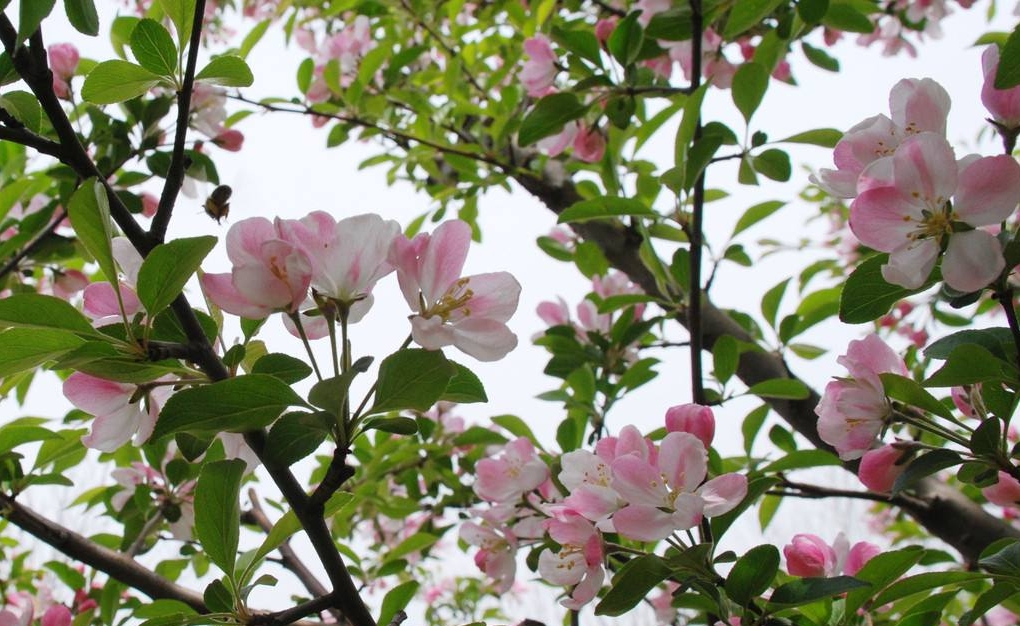
In the garden, Chinese Cherry earns its place in borders, containers and mixed plantings, and it also rewards growers who raise plants for cutting, drying or kitchen use. In spring orchards, the Chinese cherry clouds branches with pale blossom before fruit sets. Early flowers feed bees, red cherries follow in their season, and tree makes fine orchard, garden specimen and the rootstock. It settles into deep, moist, sunny ground. Routine care after establishment is refreshingly light.
The rose family’s great fruit genus gives plums, cherries, peaches, apricots and almonds, all carotenoid- and polyphenol-rich; in Chinese medicine the kernels and fruits, from Xing Ren for coughs to Yu Li Ren for regularity, are classical herbs, always processed to manage their cyanogenic compounds.
Growing from Seed
Seed is the natural starting point for Chinese Cherry, and the process is uncomplicated. Use a fine, free-draining seed compost, scatter the seed evenly, cover it lightly and hold it just moist in good light. Prick the seedlings out once they are large enough to handle, grow them on in bright light, and plant out when conditions allow.
Our Take
It forms a hardy, deciduous tree, which makes spacing and siting straightforward. Sun, free drainage and a patient first year are all it really requires.
Related Reading
Continue exploring with these related plants: