Rare plant seeds, roots, stems, leaves flowers scientific research, biotechnology,

Parsley seed

Parsley Petroselinum crispum Seed
LATIN NAME: Petroselinum crispum COMMON NAME: Parsley, Garden Parsley
Petroselinum crispum is a biennial herb from the Apiaceae family, valued around the world for its bright green foliage, fresh herbal flavour and wide‑ranging usability in home gardens and commercial herb production. Most gardeners treat parsley as an annual, harvesting abundant leaf growth within the first growing season. It forms dense rosettes of deeply divided leaves; varieties may carry tightly curled foliage or flat broad leaves, both holding a clean, characteristic aroma when crushed. Tall flowering stalks rise in the second year, bearing loose umbels of tiny pale yellow flowers that later produce small, ribbed, grey‑brown seeds packed with essential oils. Plants grown directly from seed build deep, robust taproots that improve drought tolerance and support steady leaf production, often proving more resilient than shop‑bought transplant specimens. Minor natural variation can appear among seed‑raised plants in leaf shape and oil content, which creates wonderful potential for home selection while keeping all the classic culinary qualities intact. Parsley flourishes in full sun or partial shade and prefers fertile, loamy, well‑drained soil. It fits beautifully within herb beds, vegetable plots, patio containers, mixed edible borders and companion‑planting schemes. Every sound seed contains the full genetic potential to grow into a leafy, productive herb, bringing repeated harvest opportunities and lively green texture to any growing space.
Positive & Encouraging Seed Germination Guide
Petroselinum crispum seeds can deliver very satisfying germination results with simple, steady care, giving every grower genuine hope for heavy leaf yields. Mature, properly stored seed maintains solid vitality and responds well to consistent growing conditions. Many growers choose to soak seeds in room‑temperature water for several hours before sowing, which softens the outer seed coat and helps speed up the initial awakening process. You may sow parsley indoors under protection around six weeks before the last expected frost, or sow directly outdoors once soil has warmed in spring. Cover seeds only lightly with fine growing medium; too deep planting will slow sprout emergence significantly. Keep sowing medium evenly moist but never waterlogged, using gentle misting to avoid washing seeds away. Maintain temperatures between 15‑20 degrees Celsius. Seedlings will begin to show within 14‑28 days, with steady, progressive emergence rather than all sprouting at once, this staggered pattern is completely normal and promising for a healthy stand. Once young plants develop several sets of true leaves, begin hardening them off gradually for outdoor conditions. After frost risk has fully passed, transplant seedlings into garden beds or containers, leaving enough space between plants for leaf rosettes to expand fully. Young parsley needs regular moderate watering while roots establish. Once settled, plants grow vigorously and supply plenty of fresh leaves for frequent cutting through spring, summer and autumn. Regular leaf picking encourages new leaf growth and keeps plants lush and productive. With patient routine care, each sown seed develops into a full‑bodied parsley plant ready for ongoing harvests throughout the growing season.
Ecological & Economic Value & Wide Applications
Petroselinum crispum brings meaningful ecological benefits together with broad‑reaching economic value for home gardeners and commercial herb operators alike. Ecologically, when parsley is allowed to flower in its second year, its umbel blossoms supply plentiful nectar and pollen for bees, hoverflies and other beneficial insects. These helpful visitors assist pollination across nearby edible plants and help suppress pest insect numbers, supporting a balanced organic garden environment. It works well as a companion herb within vegetable gardens, contributing to diverse planting mixes that reduce pest pressure without chemical inputs. Economically, parsley ranks among the most globally important culinary herbs. Fresh leaves serve as garnish, flavouring ingredient for soups, salads, sauces and many traditional dishes. Dried parsley leaf material is widely traded within the spice and food‑processing industry. Seed‑produced crops support field herb farming, greenhouse production, nursery potted‑plant sales and community‑scale edible gardening projects. Both flat‑leaf and curly types find heavy use in restaurant supply chains and retail fresh‑produce markets. Parsley adapts well to pot culture, making it suitable for urban balcony and rooftop growing where ground space is limited. Low‑input maintenance requirements, multiple harvest cycles and consistent market demand make this herb an efficient choice for small‑scale growers. Combining ornamental green appeal, edible production capacity and pollinator‑friendly traits, Petroselinum crispum fills a valuable multi‑purpose role in residential gardens, commercial horticulture and sustainable food growing systems, delivering practical returns for every grower.


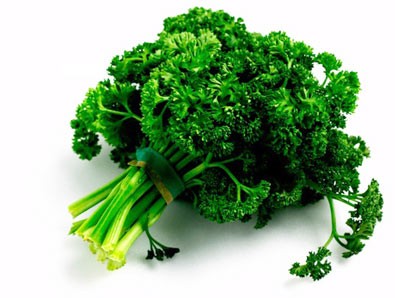
Double and triple-curled dark green leaves which are high in vitamins and minerals. Parsley flavor improves with each successive cutting. Excellent heat tolerance, great for containers, and re-grows quickly.

Parsley seed

Prev:
Next: