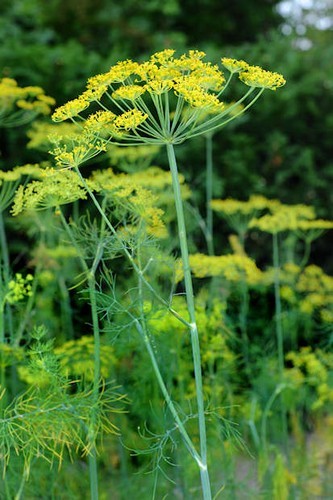
Dill Anethum graveolens
Dill Anethum Graveolens Seed
LATIN NAME: Anethum graveolens COMMON NAME: Dill, Common Dill
Anethum graveolens is a fast-growing annual herb belonging to the Apiaceae family, globally celebrated for its aromatic foliage, flavorful seeds, and exceptional garden versatility. This upright herb features slender hollow stems and delicate feathery green foliage that releases a fresh, bright herbal aroma with gentle movement or contact. In mid-summer, it produces broad flat umbel clusters of tiny golden-yellow blossoms that lend airy texture to herb gardens and pollinator landscapes. After flowering, mature seed heads develop abundant flat, oval, light-brown aromatic seeds with distinct surface ridges, holding concentrated essential oils that define the plant’s signature scent and flavor. Seed-grown dill establishes rapidly with vigorous taproot systems that support sturdy upright growth, superior environmental resilience, and consistent herb quality compared to weaker transplanted stock. Seed-origin specimens display subtle natural variations in foliage density and oil concentration, supporting small-scale selective cultivation while preserving the species’ classic culinary and aromatic traits. Thriving in full sunlight and loose, well-drained moderately fertile soil, dill adapts seamlessly to herb beds, vegetable gardens, container plantings, pollinator borders, and companion planting layouts. Every viable seed carries full genetic potential to mature into a productive multi-purpose herb, bringing continuous fresh harvests, lively garden texture, and valuable ecological activity for dedicated home growers and small-scale cultivators.
Positive & Encouraging Seed Germination Guide
Anethum graveolens seeds feature minimal dormancy and dependable fast germination, delivering consistently rewarding results that fill every grower with optimistic expectations for abundant healthy herb growth. Harvest mature golden-brown seed clusters in late summer once seed heads dry slightly and seeds detach easily from stems. Clean seeds thoroughly by removing chaff and lightweight debris, retaining only plump, firm viable seeds with strong sprouting vitality. No cold stratification is required for this adaptable annual herb, streamlining the sowing process for beginners and seasoned gardeners alike. For best results, sow seeds directly outdoors in early spring shortly before the final frost, or start indoors in controlled nursery conditions. Plant seeds at a shallow depth, as gentle light exposure actively supports uniform sprouting. Maintain stable mild temperatures between 15 and 21 degrees Celsius and keep the fine growing substrate softly and evenly moist with delicate mist irrigation, avoiding waterlogged conditions that hinder seed activation and invite fungal issues. With steady nurturing care, vibrant seedlings emerge reliably within 7 to 14 days, showcasing quick, uniform growth and robust early vitality. Young seedlings develop signature feathery true leaves rapidly and establish sturdy root systems week by week. Thin seedlings to proper spacing to encourage upright stem development and full foliage expansion, preventing overcrowding and promoting maximum leaf and seed production. Juvenile dill plants grow vigorously under full sun and consistent light moisture, maturing quickly for repeated leaf harvesting throughout the growing season. Consistent gentle care supports steady development toward full flowering and seed maturity. Every carefully sown seed grows into a thriving productive dill plant, offering joyful anticipation of continuous fresh herbal harvests and lively pollinator garden activity all summer long.
Ecological & Economic Value & Wide Applications
Anethum graveolens delivers impressive ecological functionality and extensive multi-purpose economic value, standing as one of the most practical and widely cultivated culinary-herb species for home gardening and commercial agricultural production. Ecologically, dill’s abundant golden umbel flowers generate rich nectar and pollen resources that actively attract native bees, butterflies, and beneficial predatory insects including parasitic wasps, which naturally suppress harmful garden pest populations. It serves as a vital host plant for swallowtail butterfly larvae, supporting complete insect life cycles and enhancing overall garden biodiversity. As a superior companion herb, dill improves growing conditions for surrounding vegetable crops while resisting common garden pathogens, promoting balanced organic garden ecosystems with minimal chemical intervention. Economically, dill holds global culinary and commercial significance. Fresh foliage, commonly known as dill weed, is a staple garnish and flavoring for salads, seafood, sauces, and savory dishes worldwide. Dried seeds act as premium aromatic spices for pickling, baking, and specialty spice blends, maintaining consistent high market demand. Essential oils extracted from seeds and foliage are widely utilized in food seasoning, natural cosmetic formulations, and herbal wellness products. Seed-grown dill stock supports large-scale herb farming, nursery retail sales, community garden cultivation, and commercial organic crop production. Ideal for container growth, field planting, and greenhouse cultivation, this low-maintenance annual herb offers fast crop turnover, repeated harvest cycles, and reliable economic returns. With rapid growth, versatile usability, strong pollinator support, and universal culinary appeal, Anethum graveolens perfectly integrates ecological garden balance, sustainable herb farming, and diverse commercial applications, creating long-term practical and economic benefits for home gardeners, herb producers, landscape designers, and agricultural cultivators.
.jpg)