


Aquilaria sinensis Seeds | Chinese Eaglewood Chen Xiang
LATIN NAME: Aquilaria sinensis
COMMON NAME: Chinese Eaglewood
Plant Profile
A distinctive member of its genus, Chinese Eaglewood (Aquilaria sinensis) is a tall, evergreen tree in the daphne family. The Chinese eaglewood resins tall, evergreen tree with glossy, oval leaves and small, greenish-white, fragrant flowers that open through spring, woody, pear-shaped capsules with dark seeds following. Tree is known for fragrant, resinous heartwood that forms in wounded wood, and it grows into stately, upright form. It likes sun or part shade, and deep, moist, well-drained soil. The ratio of effort to reward here is about as good as gardening gets.
Science & Biotechnology
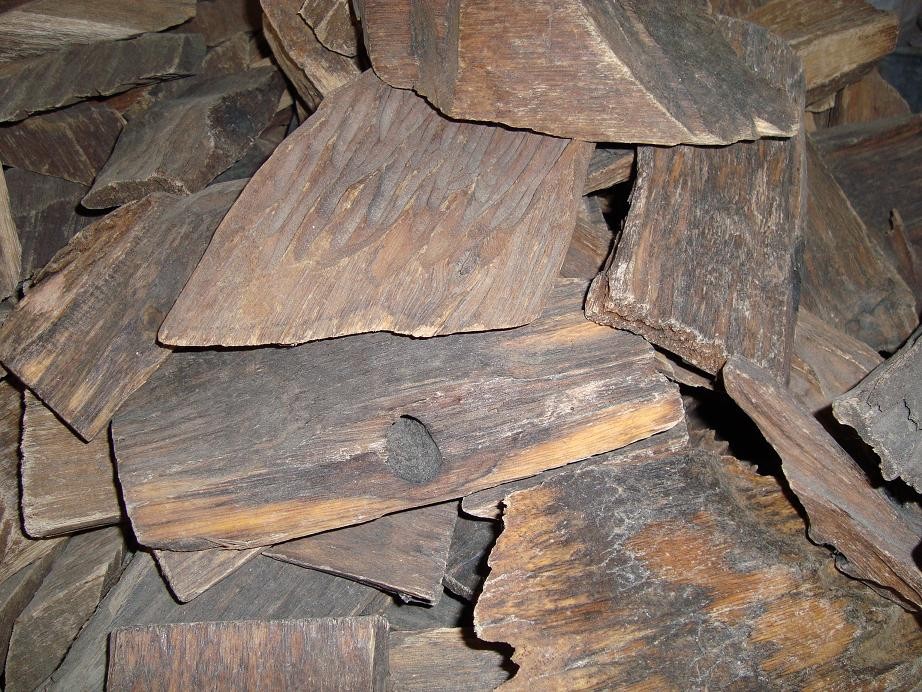
This tree produces agarwood — chen xiang — the most valuable fragrant wood on earth, formed only when the tree responds to fungal infection or wounding by saturating its heartwood with sesquiterpenes and chromones such as agarotetrol. The Chinese Pharmacopoeia lists the resinous wood as a drug for pain and qi stagnation, and laboratory studies document sedative, analgesic and gastrointestinal actions. Over-harvesting of wild trees led to CITES Appendix II listing for all Aquilaria species, so cultivated and legally inoculated wood is the only ethical source — and growing the tree is the true beginning of that chain.
As part of the daphne family, Aquilaria sinensis contributes to research on plant classification and adaptation, while nurseries and gardeners continue to trial it for cultivation. In daphne family, agarwood trees have a long, rare record in studies of resin-producing trees, and sinensis species appears in research on resin formation in wounded wood and aromatic compounds. Nothing exotic is required: standard seed-sowing practice, done carefully, is enough.
Uses & Benefits
Chinese Eaglewood brings genuine presence to the garden and earns its keep across the growing season. In warm, sheltered garden, the Chinese eaglewood resins heartwood with rare fragrance over the years. Resin serves incense, perfumes and traditional preparations for generations, glossy leaves keep handsome, evergreen form, and tree stands as patient, stately presence. It thrives in deep, moist, well-drained ground. In later seasons it demands little more than an appreciative eye.
When aquilaria wood is infected by certain fungi, it produces agarwood, Chen Xiang, the most precious incense wood in the world and a valued Chinese medicinal resin used to move qi and calm the spirit. Sustainable plantation inoculation is now replacing wild harvest.
Growing from Seed
Starting Chinese Eaglewood from seed is simple and satisfying. Sow the seed evenly over the surface and cover lightly, using a loose, well-drained seed compost, and keep it just moist in partial shade until the seedlings are well up. Once the seedlings have made true leaves, pot them on individually and plant out when they are sturdy and conditions are right.
Our Take
As a tall, evergreen tree, it settles into a routine quickly once established. Keep the sowing evenly moist at the start — that is the one real requirement.
Related Reading
If Chinese Eaglewood appeals to you, these related plants are worth a look: