


Aquilaria sinensis Seeds | Chinese Agarwood
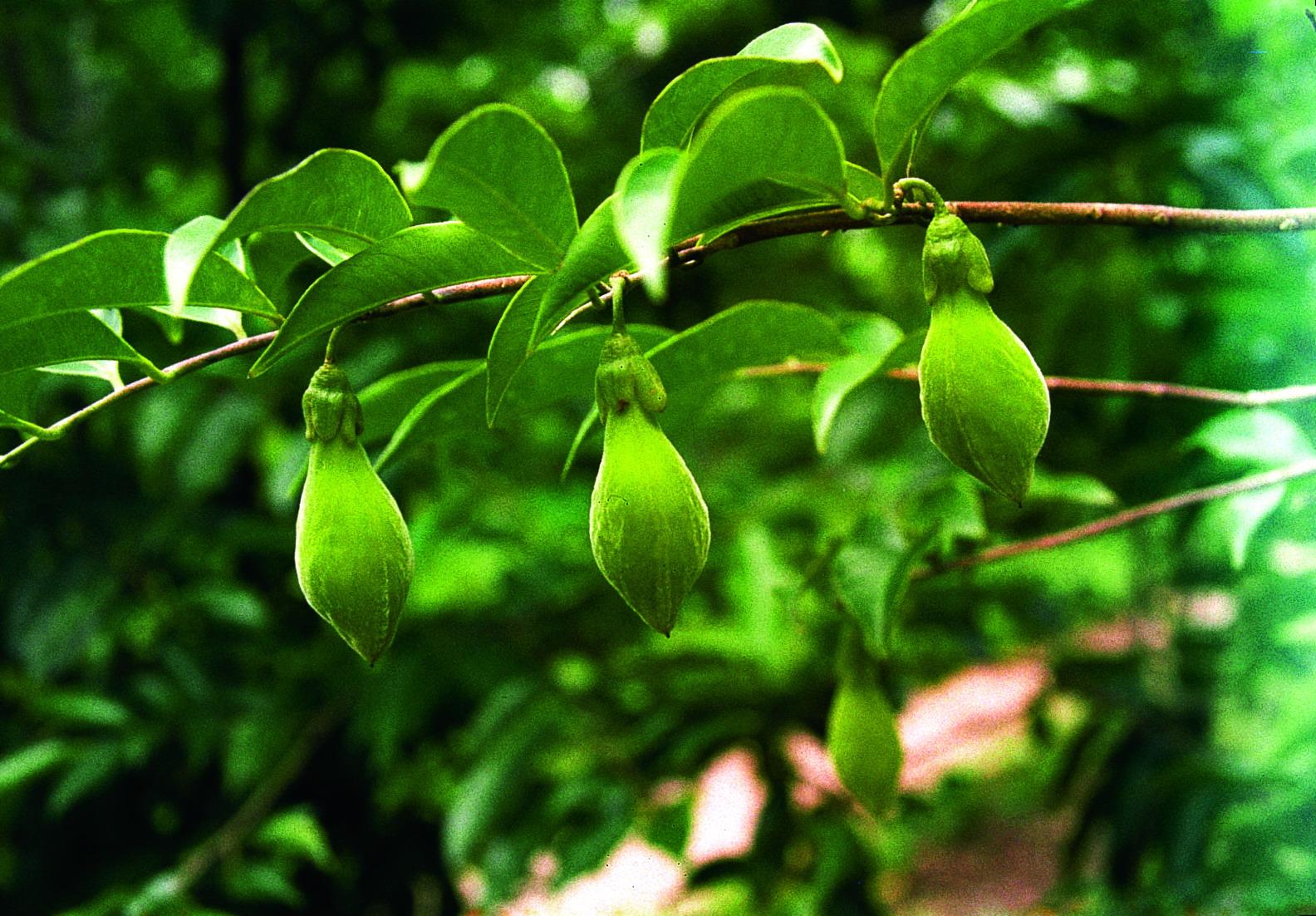
LATIN NAME: Aquilaria sinensis
COMMON NAME: Chinese Agarwood, Chen Xiang Tree
Plant Profile
Chinese Agarwood (Aquilaria sinensis) is an evergreen tree of the daphne family (Thymelaeaceae), native to southern China and the traditional source of Chinese agarwood, chen xiang. It reaches 5-15 m, with thin, glossy leaves and small greenish flowers. When the wood is wounded and colonised by fungi it forms the dark, fragrant resin treasured for incense and medicine, and overharvest has made the wild tree a protected species in China.
Science & Biotechnology
This tree produces agarwood — chen xiang — the most valuable fragrant wood on earth, formed only when the tree responds to fungal infection or wounding by saturating its heartwood with sesquiterpenes and chromones such as agarotetrol. The Chinese Pharmacopoeia lists the resinous wood as a drug for pain and qi stagnation, and laboratory studies document sedative, analgesic and gastrointestinal actions. Over-harvesting of wild trees led to CITES Appendix II listing for all Aquilaria species, so cultivated and legally inoculated wood is the only ethical source — and growing the tree is the true beginning of that chain.
Research touching on Aquilaria sinensis ranges from the botany of the Aquilaria group to practical horticulture, including seed handling, propagation and the selection of superior forms. As with related species, severe overharvesting pressure has driven significant Chinese research into artificial inoculation techniques aimed at sustainably cultivating resin-bearing trees to meet strong ongoing domestic demand. Because it has been grown for so long, its garden habits are thoroughly documented.
Uses & Benefits
In the garden, Chinese Agarwood earns its place in borders, containers and mixed plantings, and it also rewards growers who raise plants for cutting, drying or kitchen use. Given serious wild population pressure, cultivated, responsibly inoculated plantation trees represent an increasingly important and more sustainable path for meeting this enduring cultural demand. Once it has settled, the workload drops to almost nothing.
When aquilaria wood is infected by certain fungi, it produces agarwood, Chen Xiang, the most precious incense wood in the world and a valued Chinese medicinal resin used to move qi and calm the spirit. Sustainable plantation inoculation is now replacing wild harvest.
Growing from Seed
Chinese Agarwood grows readily from seed. Sow fresh seed promptly into a loose, free-draining tropical mix, keeping it warm and consistently humid, since viability drops quickly once seed dries out. Bright, filtered light suits young seedling well, and as with related Aquilaria species, note that tree grows for many years as an ordinary evergreen before any resin formation begins, whether through natural infection or later deliberate inoculation. Scatter the seed evenly over a loose seed compost, cover to no more than its own depth, and keep the pot moist and bright. Prick the seedlings out once they are large enough to handle, grow them on in bright light, and plant out when conditions allow.
Our Take
Given the right start, Chinese Agarwood, Chen Xiang Tree is a long-term garden companion. Careful watering early on is rewarded by toughness at maturity.
Related Reading
More species in the same orbit as Chinese Agarwood: