


Dictamnus dasycarpus Seeds | Cortex Dictamni
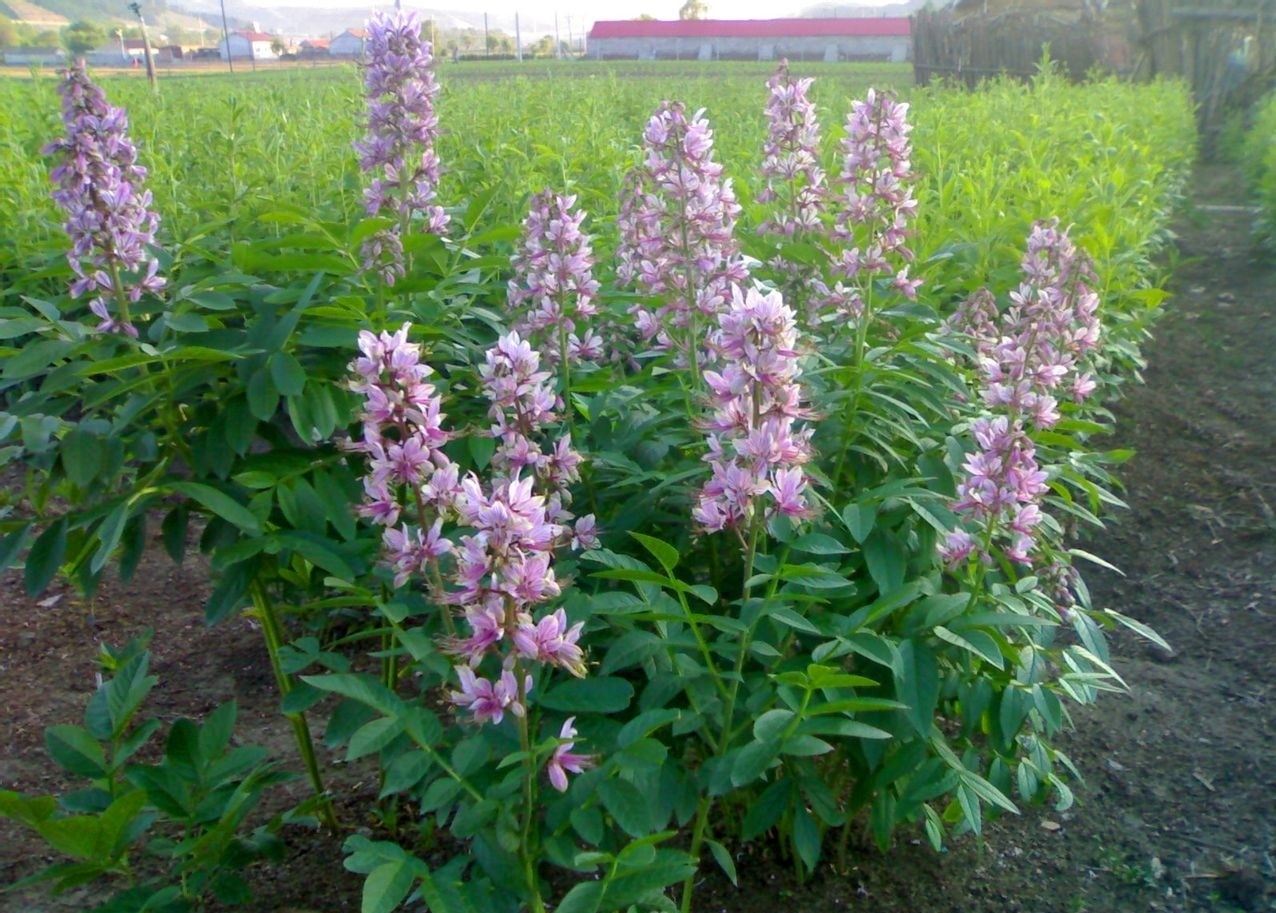
LATIN NAME: Dictamnus dasycarpus
COMMON NAME: Dittany
Plant Profile
Dictamnus dasycarpus, commonly known as Dittany, is a handsome, upright, clump-forming, perennial in the rue family, native to dry, sunny places of the eastern Asia, while it is prized for its fine flowers. In rue family it is a showy, aromatic herb of dry border, a plant with old reputation written into its bark and its roots. At maturity it stands about One metre. Gardeners value it precisely for this blend of qualities.
Science & Biotechnology
Seed science, comparative botany and horticultural selection all touch on Dictamnus dasycarpus, a representative of the rue family with clear practical value. Dittany bark and roots have their own long chapter in traditional plant chemistry of the eastern Asia, and constituents have been worked through by natural-product chemists with continuing interest. Little about its garden performance is mysterious; it has been grown and observed for a very long time.
Uses & Benefits
Dittany brings genuine presence to the garden and earns its keep across the growing season. In sunny border, dittany is tall, showy tower of early summer. Its many pink, five-petalled flowers feed bees, aromatic leaves scent air, and clump-forming growth holds its place in border for years. Bark has served traditional ways of region, and plant grows well in dry, sunny, well-drained ground. Once it has its roots down, it more or less looks after itself.
Gas plant root bark, Bai Xian Pi, is a classical Chinese herb for itchy, damp skin conditions, and its limonoids and quinoline alkaloids are studied accordingly; the flowers famously exude flammable vapor on hot days.
Growing from Seed
Starting Dittany from seed is simple and satisfying. Sow on the surface of a gritty, well-drained mix, cover lightly with fine compost, and maintain gentle, even moisture in a sunny position. Prick the seedlings out once they are large enough to handle, grow them on in bright light, and plant out when conditions allow.
Our Take
Being a handsome, upright, clump-forming, perennial, it asks for a permanent spot and repays it yearly. Sun and good drainage cover most of its demands.
Related Reading
More species in the same orbit as Dittany: