


Osmanthus fragrans Seeds | Sweet Osmanthus
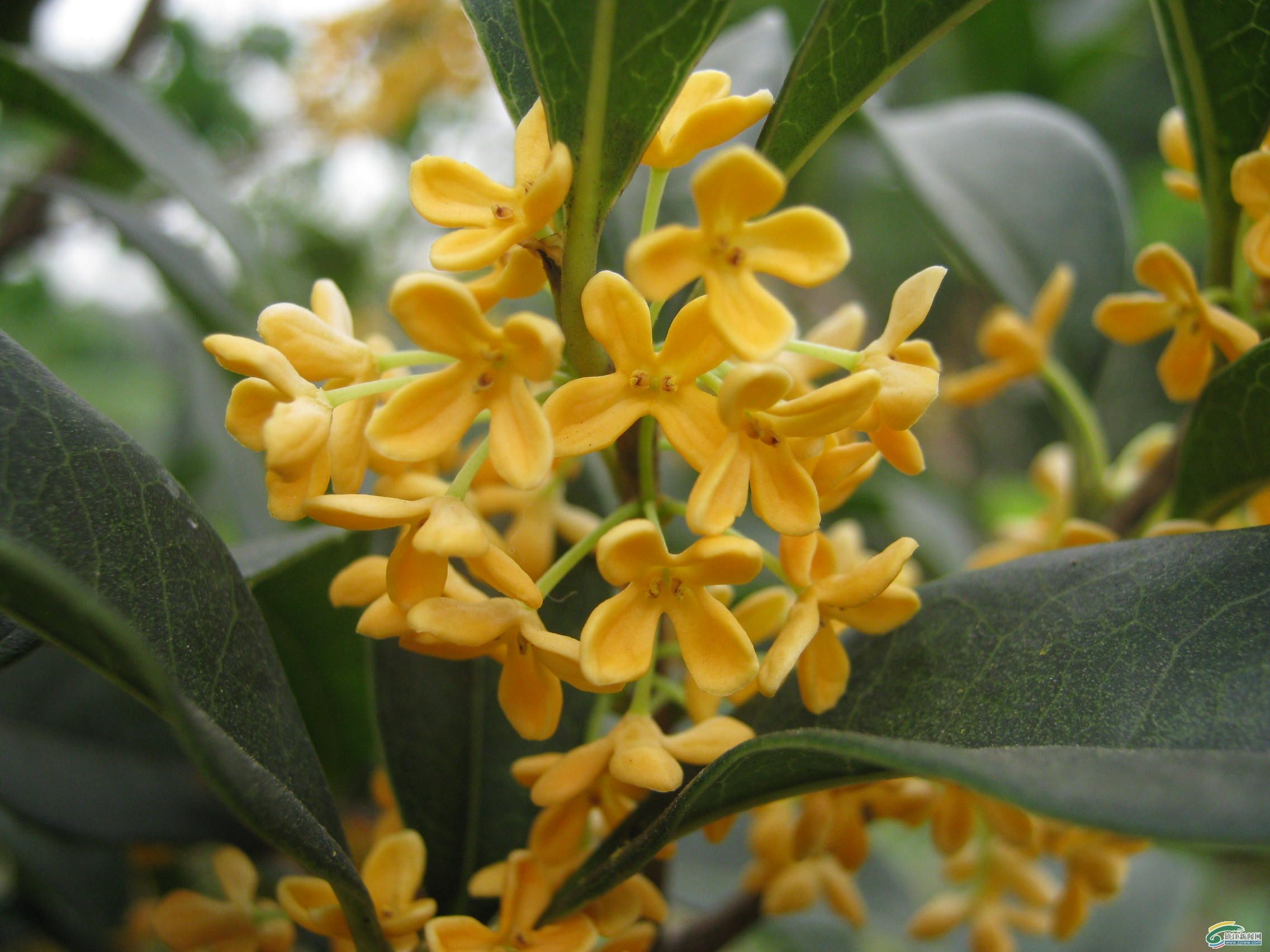
LATIN NAME: Osmanthus fragrans
COMMON NAME: Sweet Osmanthus
Plant Profile
Osmanthus fragrans, commonly known as Sweet Osmanthus, is an evergreen shrub in the olive family. Sweet osmanthus is scent that carries across the whole neighbourhood in the warm autumn. Large, evergreen shrub or small tree carries glossy, dark-green leaves and small, creamy-white, intensely fragrant flowers in dense axillary clusters through late summer and autumn, and fragrance carries a long way on still, warm air. Plant is one of great scented plants of the East, and flowers have a very long record of use in teas, wines and the sweets. Not many plants ask so little and repay so much.
Science & Biotechnology
Sweet osmanthus is the most fragrant tree of the Chinese autumn, its tiny orange or ivory blossoms perfuming whole neighbourhoods and flavouring teas, wines and osmanthus jam. The flower’s aroma chemistry — ionones derived from carotenoid breakdown, with linalool and terpinen-4-ol — is well characterised, and its polyphenols show antioxidant and anti-inflammatory activity in laboratory studies. In Chinese tradition the flowers are a gentle household remedy for cough and bad breath. A single plant in bloom repays decades of patience in one September week.
The species features in the wider study of the olive family, and its traits make it a useful subject for work on germination biology, cultivation and ornamental selection. Sweet osmanthus has a long, fragrant chapter in plant science, studied for small, creamy-white flowers and intense, carried scent. Gardeners benefit directly from its long cultivation: what the plant will do in a garden is well understood.
Uses & Benefits
Beyond its ornamental appeal, Sweet Osmanthus has the practical versatility that makes a plant worth growing from seed year after year. Sweet osmanthus is scent of warm autumn evenings, with a very long list of uses. Small, creamy-white flowers have a very long record of use in teas, wines, sweets and perfumes of the East, and fragrance carries across the whole garden on the warm autumn air. Glossy, dark-green shrub is also a fine, long-lived hedge, screen and specimen of warm garden, keeping its good looks through the year. Beyond the establishment year, its needs are simple and few.
Osmanthus flowers, Gui Hua, perfume autumn with apricot-honey scent and are dried for teas, wines and sweets across China; the fragrance is a beloved aromatherapy material.
Growing from Seed
Seed is the natural starting point for Sweet Osmanthus, and the process is uncomplicated. Sow on the surface of a gritty, well-drained mix, cover lightly with fine compost, and maintain gentle, even moisture in a sunny position. Move strong seedlings into individual pots, keep them in good light, and set them out when the weather and their size agree.
Our Take
As an evergreen shrub, it settles into a routine quickly once established. Sun, free drainage and a patient first year are all it really requires.

Related Reading
Gardeners who grow Sweet Osmanthus often pair it with these related subjects: