


Chenopodium album Seeds | Lamb’s Quarters
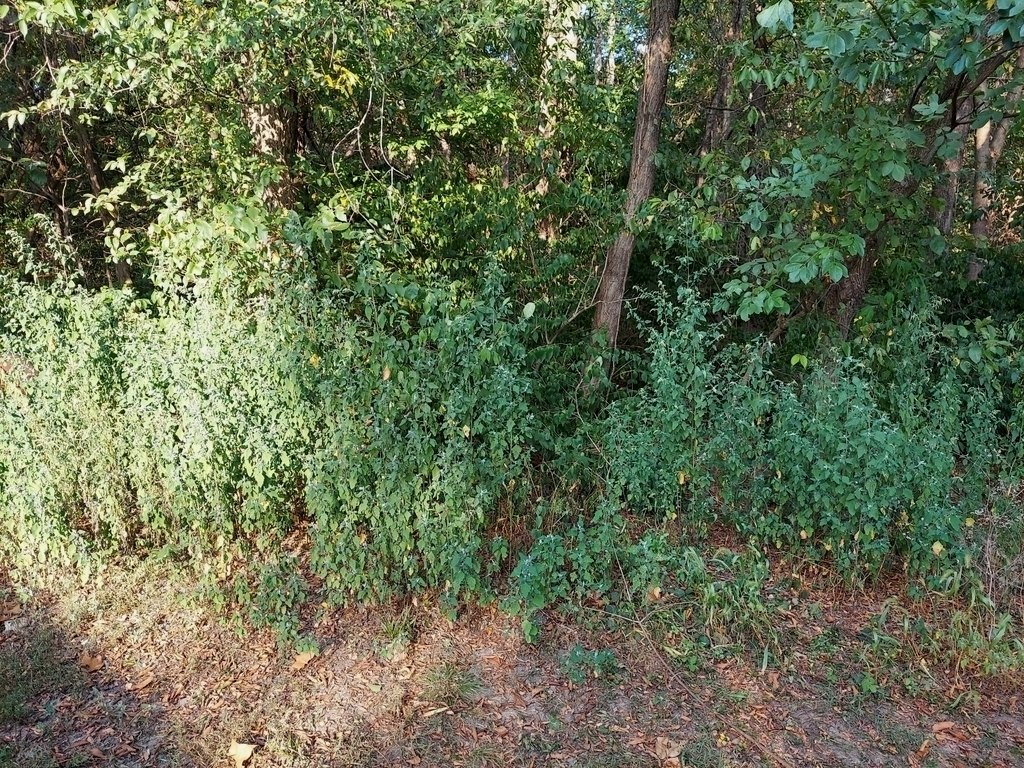
LATIN NAME: Chenopodium album
COMMON NAME: Lamb’s Quarters
Plant Profile
Lamb’s quarters is a fast-growing annual in the amaranth family, and it ranks among the most successful plants on earth. It grows 10 to 150 cm tall, rarely to 3 m, and it starts upright before becoming recumbent after flowering, pulled over by the weight of its own foliage and seed.
The leaves change shape as the plant grows, so it can be hard to identify from a photograph. Lower leaves are toothed and roughly diamond-shaped, 3 to 7 cm long and 3 to 6 cm broad. Leaves on the upper flowering stems are entire and lance-shaped, much smaller, 1 to 5 cm long.
Every leaf carries a waxy, mealy coating, white on the underside and unwettable on top. Water runs off it in beads, so the plant looks pale and dusty even after rain, and why the old name white goosefoot stuck. The coating is the plant’s answer to drought and to salt.
It has a dangerous lookalike. Young black nightshade can be mistaken for it, and the difference is worth learning: lamb’s quarters carries a white mealy texture and a red streak at the axils, and black nightshade has neither. The flowers are tiny and green, carried in a dense branched inflorescence 10 to 40 cm long.
Science & Biotechnology
The mealy coating is a layer of tiny vesicular hairs filled with salt and water, and it does several jobs at once. It reflects light, reduces water loss, and makes the leaf surface unpalatable to some insects. It also means the leaf is difficult to wet, which matters if you are trying to spray the plant and matters more if you are trying to wash it for the pot.
Seed production is the reason the plant is so hard to control. A single large specimen can produce tens of thousands of seeds, and they remain viable in the soil for decades. The seed is small, black and hard-coated, and it germinates in flushes when the soil is disturbed, so a dug bed comes up green with it three weeks later.
It is not a C4 plant, unlike its relatives quinoa and amaranth. It runs ordinary C3 photosynthesis, and it succeeds through speed and seed output rather than through water efficiency, so it appears in fertile disturbed ground rather than in dry grassland.
Uses & Benefits
The young leaves are edible and good, cooked like spinach or eaten raw when very young. They have a mild, slightly earthy flavour and none of the bitterness of some wild greens, and they were a standard spring vegetable across Europe long before spinach was widely grown.
The seed is also edible. It can be harvested when the plant is turning brown, rubbed free of the chaff, and ground into a dark flour that was used in bread and porridge in times of scarcity. The labour involved is considerable, so the practice died out. In Asia and Africa it is still grown deliberately as a grain or vegetable crop and as animal feed, while in Europe and North America it is treated as a weed of potato fields.
As fodder it is taken by livestock, and it is a useful plant for wildlife: the seed feeds small birds through autumn, and the foliage supports several moth larvae, including some that are otherwise scarce in farmland. It also hosts aphids that carry beet viruses. The same family turns up again in Chenopodium quinoa, Halogeton arachnoideus and Atriplex hortensis.
Growing from Seed
It needs no help. Sow in spring, 5 mm deep, and it will be up within a week; or let it arrive, which is what usually happens. It germinates in response to soil disturbance and light, so a patch of bare ground in spring will produce a crop without any sowing at all.
For a deliberate crop, sow in rows 25 cm apart and thin to 15 cm, then pick the growing tips every week or two. Cutting back hard encourages a second flush of tender leaf, and the plant will keep producing until it flowers.
Once flowering starts the leaves turn tough and the plant is finished as a vegetable. If you want seed, let one plant go all the way and collect the dry heads before they shed; if you do not, pull it before the seed sets, because a single plant left standing will seed the plot for a decade.
Our Take
It is a weed, and it is also a free vegetable that tastes better than most of what is sold as salad. The distinction between the two is entirely about timing: pick it young and it is dinner, leave it a month and it is a problem. Learn to recognise it in its first weeks and you will never be short of green stuff in spring.
Related Reading
Continue exploring with these related plants: