


Carex Seeds | Sedge
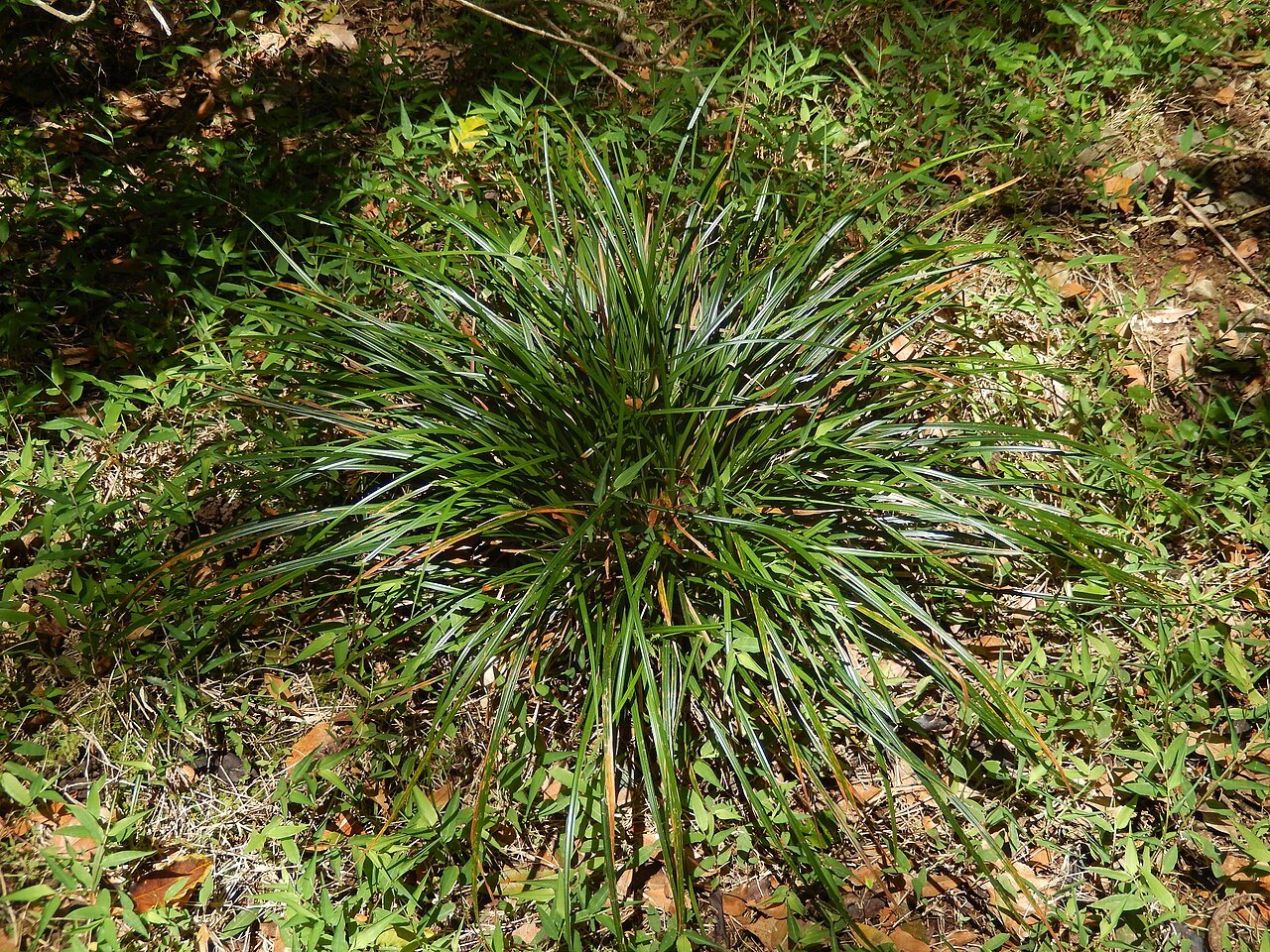
LATIN NAME: Carex
COMMON NAME: Sedge
Plant Profile
Carex is one of the largest genera of flowering plants, with about two thousand species, and it grows on every continent except Antarctica. Most are plants of wet ground, but the genus also includes species of dry grassland, forest floor and alpine scree. A handful have become important garden plants for their foliage.
The name is ancient and its origin is uncertain, though it is usually connected to the Greek kairo, to cut, for the sharp edges of the leaves. The English word sedge comes from the same root as saw. Anyone who has run a hand up a sedge leaf will understand the connection immediately. The edge is silica and it is genuinely sharp.
The plants are grass-like but they are not grasses. The stems are usually triangular in section, the leaves are arranged in threes, and the flowers are reduced to scales without petals. The whole inflorescence is built of spikelets, and the spikelets are the key to identifying the genus. Once you can read them, the genus opens up.
The garden species are chosen for colour and form rather than for flowers. Carex oshimensis has striped cream and green leaves and comes from a single mountain in Japan; C. buchananii has copper-brown foliage from New Zealand; C. comans is the frosty hair sedge of the same islands. All three are grown for the same reason: they look like nothing else. The family connection runs to Carex breviculmis, Cyperus glomeratus and Isolepis.
Science & Biotechnology
The genus is defined by the perigynium, a bottle-shaped sac that encloses the female flower and later the fruit. It is a unique structure among the grasses and sedges, and it is what makes a Carex a Carex. The perigynium protects the seed and it often carries the beak that guides a pollinating wind. It also provides the characters that separate the species.
The genus includes both C3 and C4 species, and the C4 pathway has evolved in Carex more often than in any other genus of flowering plants. That makes it a model for studying how photosynthesis changes, and it has attracted a large literature. The sedges are, in this respect, an evolutionary laboratory. The C4 species are mostly in warm, open habitats.
Pollination is by wind, and the flowers are correspondingly plain. The perigynium and the bracts are the characters that matter, and they are what taxonomists measure. Hybridisation is common, and many wild populations are a mixture of species that are hard to tell apart without a lens. That is why the genus has a reputation among botanists.
Uses & Benefits
The ornamental sedges are used for foliage contrast in containers, at the edge of a border and in shade, where their arching leaves catch light. The bronze and variegated forms are the most useful, because they hold colour through the season. They are also good in a green roof mix. They are not plants for a formal bedding scheme.
In the wild the genus is the backbone of wetlands, and it is used in restoration and in reed-bed filtration. Some species are grazed, some are woven into baskets, and a few have been used for matting and for thatch. None of this is glamorous, and all of it matters. Wetlands without sedges are not wetlands for long.
There is no food use of consequence. The garden value is foliage and form, and the wild value is habitat, and both are real. A garden with three sedges in it looks more interesting than one without. That is a low bar, and it is a reliable one in practice.
Growing from Seed
Sow fresh seed on the surface of a moist mix and keep it cool; many species need a period of cold to germinate. Germination is slow and uneven, and the seedlings are grass-like and easy to lose among weeds. Division is faster and it preserves the colour of a named form. That is how the trade does it.
Divide established clumps in spring, cutting through the root ball with a knife and replanting the vigorous outer pieces. The centre of an old clump is woody and slow to recover, and it is best discarded. Water the divisions until they are established. That takes about a month in good weather, and less in rain.
The coloured sedges want sun or light shade and moist but drained soil, and they keep their colour best where the light is good. Cut them back in early spring, before the new growth starts, and comb out the dead leaves with your fingers. Gloves are advisable. The leaf edges are sharp enough to cut.
Our Take
Carex is a genus that most gardeners meet through three or four cultivars and never explore further, which is a shame, because it ranks among the great genera of the world. Two thousand species, and we grow the striped one. That is a fair summary of horticulture’s relationship with botany in general.
Plant a sedge for the leaves, and look at the perigynia once with a lens. The genus will make sense, and the garden will be better for the second look. That is the whole of the invitation, and it is worth accepting.
Related Reading
If Sedge appeals to you, these related plants are worth a look: