


Alnus glutinosa Seeds | Black Alder
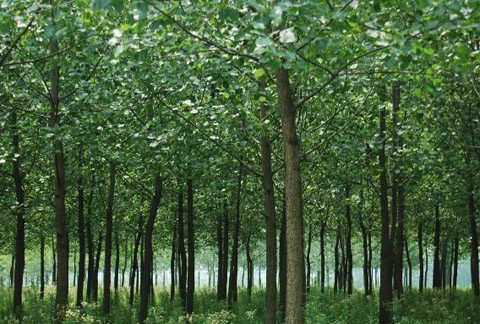
LATIN NAME: Alnus glutinosa
COMMON NAME: Black Alder, Common Alder
Plant Profile
Alnus glutinosa is a deciduous tree of riverbanks and wet hollows, round-headed and quick to branch, with bark that stays dark and rugged as it ages. The leaves are nearly round with a notched tip and a blunt base, glossy above and sticky with resin when young, which is the glutinosa of the name. Before the leaves open, the tree hangs its catkins: long male strings and small red female cones on the same branch. The little woody cones persist through winter like miniature barrels, and they are the easiest field mark once the foliage has fallen.
Two details separate black alder from its relatives. The young leaves and buds are coated in a faint resin that you can feel, not just see, and the leaf tip carries a small notch as if a pincer took a bite. The leaf is also blunt at the base rather than heart-shaped, which keeps it from being confused with the pointed leaves of the grey alder. Together these traits make the species one of the easiest riverside trees to name in winter.
If your ground stays wet in spring, alder is the obvious choice over a willow that wants more light or a poplar that wants more root room. It pairs naturally with other riverside natives, and the Japanese white birch shares its taste for damp, open ground with a lighter look. The Nepal alder and grey alder extend the same nitrogen-fixing habit into different climates.
Science & Biotechnology
The root nodules of alder are not the familiar round lumps of a pea but coralloid clusters housing Frankia, a filamentous actinomycete that fixes atmospheric nitrogen. This lets the tree green up ground too poor for most others and explains why alder thickets enrich the soil for the plants that follow. The chemistry of the bark and cone has been studied for diarylheptanoids and tannins with antioxidant activity, and the wood’s decay resistance comes from its high content of the phenolic platyphyllode and related compounds that stain the heartwood orange as it dries.
Alnus glutinosa is a restoration workhorse, and cloning elite riverside forms through micropropagation from shoot tips gives uniform stock for bank stabilization. Researchers also use the species in mycorrhiza and rhizosphere studies because its nitrogen economy is so clear, and the genome of the genus has been mined for the symbiosis genes that let the nodules form. The aim is not a prettier tree but a cheaper, tougher one for reclaiming mined and waterlogged land.
The bark supplied a dark, fast tannin dye used for wool and leather across Europe, and the cut wood’s orange cast was once a sign of quality in joinery. The same tannins are why alder makes poor firewood but excellent charcoal for gunpowder, a niche the tree held for centuries before chemistry moved on.
Uses & Benefits
Stand beside a black alder in autumn and you may notice the cut end of a twig weeping a watery orange stain, a quirk that gives the species its old name of sticky alder and a clue to its real genius. The colour comes from the same tannin-rich sap that lets the wood resist rot underwater for centuries, which is why alder piles were the chosen timber for Venetian foundations and medieval waterworks. More quietly, the tree performs a service no ornamental could: it strikes a partnership with a soil bacterium that pulls nitrogen from the air and feeds the wet, starved ground it loves. A black alder does not just tolerate a bog; it improves it.
Growing from Seed
Planted on a stream edge, black alder holds soil that would otherwise wash away and shades the water for trout. In the yard it is a fast, forgiving shade tree for the damp corner where little else thrives, though it asks for room and moisture. Historically the wood, once called English mahogany when polished, went into furniture, clogs, and the soles of shoes because it hardens rather than rots when wet. The cones and early catkins are a late-winter food for the redpoll and the siskin.
Alder seed is small and short-lived, and it breaks dormancy best after a cold, moist period in a mix that stays damp the way the riverbank does. Sow it on the surface of a sandy, wet medium and hold it cool, then move it into light as the weather warms so the fine seedlings stand. Thin the row by the height of the young plant rather than by a date, and transplant while still small because the root resents a long stay in a pot.
Keep the bed shaded and never let it dry, since a dried seed loses viability fast. The seedlings are brittle, so lift them with a deep trowel and set them out when they reach a hand’s span, spacing them so the canopy opens. For a hedge or a windbreak, the Italian alder is the upright alternative worth knowing.
Our Take
I plant black alder where the lawn floods, and within a few seasons the ground has firmed and the birds have moved in. The orange sap on a fresh cut still surprises visitors, and I take it as the tree’s signature.
Related Reading
Continue exploring with these related plants: