


Astragalus echinus Seeds | Spiny Milkvetch
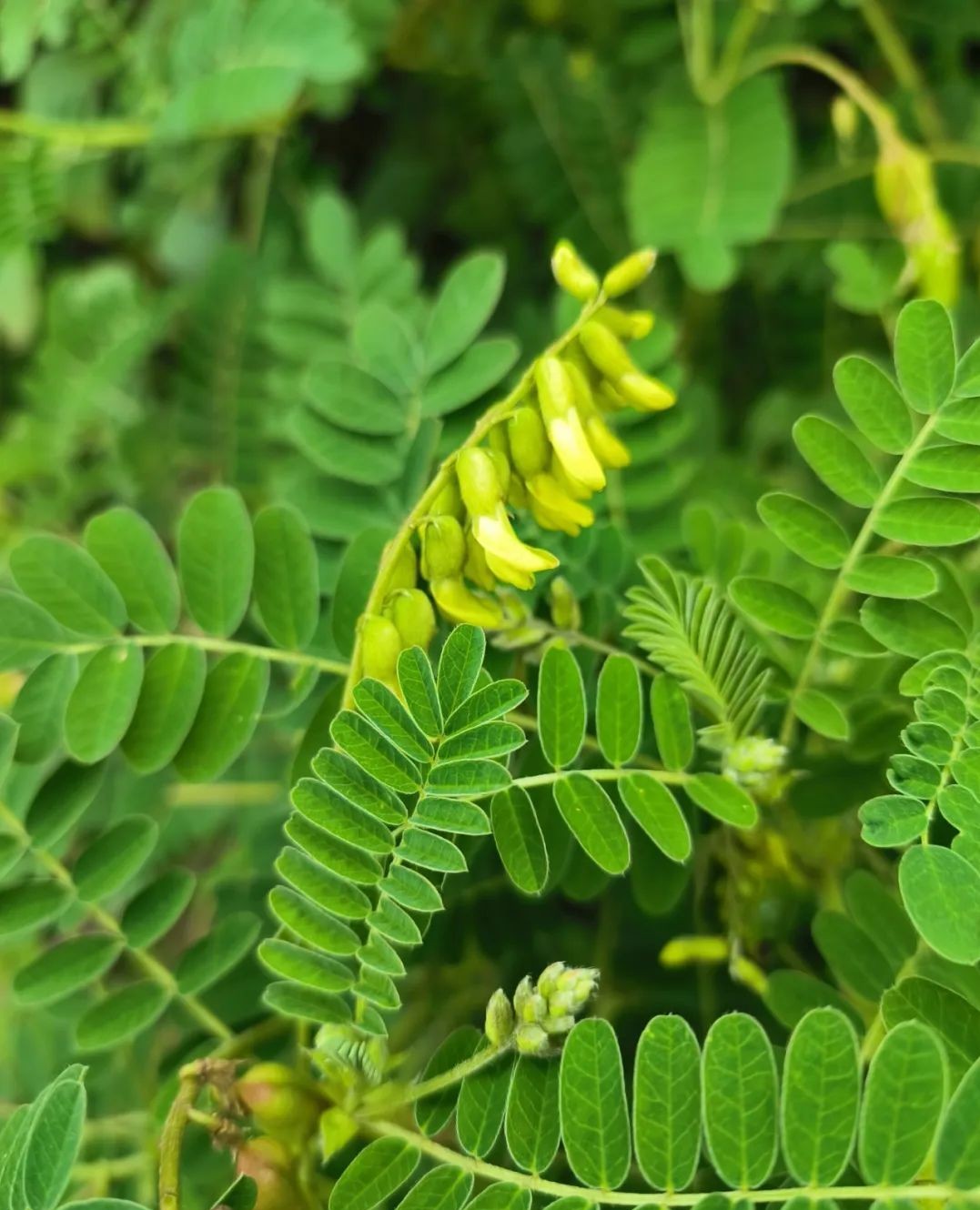
LATIN NAME: Astragalus echinus
COMMON NAME: Spiny Milkvetch
Plant Profile
Spiny milkvetch is a cushion-forming tragacanth shrub of the eastern Mediterranean, all thorns, wool and small white pea flowers. It grows from Cyprus and southern Turkey through Lebanon, Syria and Israel to Sinai and northern Saudi Arabia, on stony mountain slopes between about 1,000 and 2,500 metres, in the open scrub that forms where snow lies and summer bakes the ground. The plant makes a dense, rounded hummock up to half a metre across, built from interlaced woody stems, each leaf ending in a sharp spine and carrying four to seven pairs of tiny grey-haired leaflets. In April and May the cushion is covered with compact heads of pea flowers, cream with fine purple veins, followed by small hairy pods that stay hidden inside the persistent calyx and hold a single seed. The whole plant looks more like a sea urchin than a legume, which is what the name echinus refers to.
Science & Biotechnology
Astragalus echinus is one of the tragacanthic milkvetches, a group of several hundred species that build hard, spiny cushions in the mountains of southwest Asia, and some authors still place them in a separate genus, Astracantha, on the strength of that habit. The cushion is a response to grazing and drought: a tight dome of short shoots loses less water than an open shrub, and the spines deter sheep and goats. The plant is a legume and forms root nodules with soil bacteria, which lets it grow on nitrogen-poor scree; inoculation can matter when raising it in a pot. Like many milkvetches it can accumulate selenium and contains toxic glycosides, and it is not a plant to experiment with in the kitchen. The flowers are worked by bees, and the pod, which stays inside the calyx, drops its single seed close to the parent. The species is not globally threatened, but it is listed as rare in Egypt and its mountain sites are grazed and increasingly built on.
Uses & Benefits
Its value is ornamental: a true alpine cushion for a raised bed, a scree garden or an alpine house, where the dome of grey foliage and the spring flowers can be seen at close range. It is also a plant for dry, exposed places in a Mediterranean garden, where it will sit among gravel and rocks without irrigation. A sweet manna is reported to exude from the stems in hot weather, as it does from several related species, and it has been gathered as a sweetmeat in the region. In traditional practice the plant has been used for grazing land improvement, since it fixes nitrogen on poor slopes, and its cushions slow runoff on stony ground. The thorny growth makes it useless as fodder, which is precisely why it survives where other legumes have been eaten out. It has no commercial crop value and is grown only by collectors.
Growing from Seed
Scarify the seed, since the coat is hard, and sow in late winter on the surface of a gritty mix of loam, leafmould and limestone grit, covering it thinly. Keep at 10 to 13 degrees; germination is slow and uneven, from one to three months, and a spell of cold nights helps. The seedlings are extremely intolerant of root disturbance, so sow in deep tubes and plant out while small, without breaking the root ball. Choose a raised bed or a scree with sharp drainage, full sun and plenty of limestone; a damp, rich soil will kill the plant in its first winter. Water to establish, then sparingly, and keep the crown dry by top-dressing with gravel. In wet climates grow it in an alpine house under glass, with ventilation and no overhead water. Do not feed, and do not mulch with compost.
Our Take
A grey, spiny cushion with cream pea flowers in April, made for a scree bed and a dry climate. Wet winters are its one enemy.
Related Reading
Continue exploring with these related plants: